
In a post–Baldur’s Gate 3 landscape, it’s fair to say that expectations for the CRPG genre have been firmly elevated. Developer Tactical Adventures is clearly aware of this shift. The studio, best known for the well-received (if somewhat underappreciated) Solasta: Crown of the Magister, has returned with a sequel that builds confidently on its foundations. With Solasta II, the Paris-based team delivers a follow-up that improves upon its predecessor in nearly every way that matters.
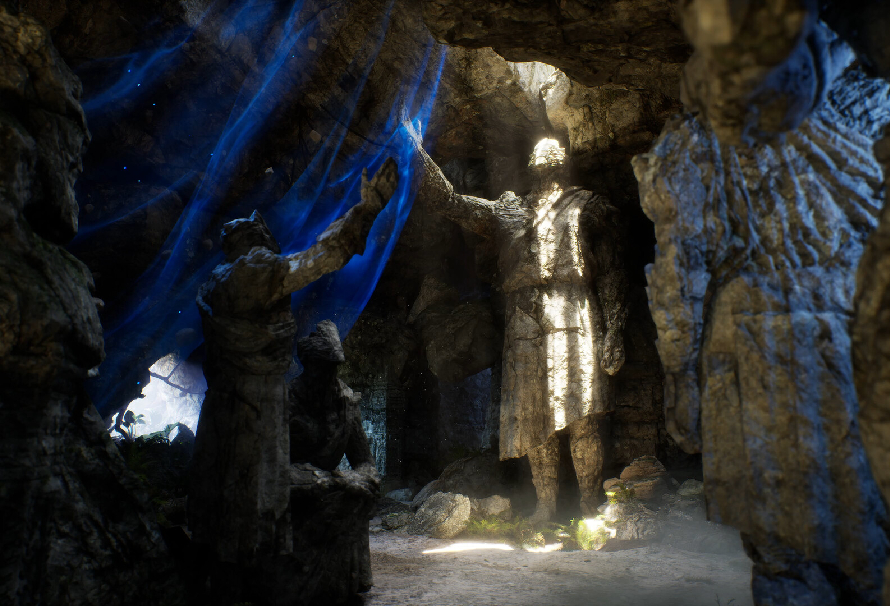
While Solasta: Crown of the Magister pushed Unity impressively far, achieving a true leap in visual fidelity required a more significant technological shift. Enter Unreal Engine 5. Like many modern titles, Solasta II embraces Epic’s powerhouse engine – and the results speak for themselves.
Thanks to Unreal Engine 5’s advanced feature set, the sequel introduces real-time in-game cutscenes, significantly enhanced character models, and far richer environments. Improvements to lighting, shadows, and reflections further elevate the presentation. Where the original had a certain charm in its rough edges and rigid animations, Solasta II feels far more polished and cinematic – much closer to what players now expect from a modern CRPG experience.
One of the most notable departures from the original game lies in its approach to party composition. Rather than controlling a group of largely interchangeable, randomly generated mercenaries, Solasta II centres its narrative around the Colwall siblings.

This shift introduces a stronger emotional core, weaving themes of family, loss, and revenge into the story. Players journey across the continent of Neokos in pursuit of the mysterious Shadwyn, the entity responsible for their mother’s death.
Character creation still offers plenty of flexibility, allowing players to customise appearance, class, and abilities. However, the addition of shared history and interpersonal dynamics gives each party member a distinct identity, making them far more engaging than the comparatively generic adventurers of the first game.
Stronger characters demand equally strong performances, and Solasta II delivers. Where the original title had more modest voice work, the sequel features a far more accomplished and recognisable cast.
Talent from across the CRPG and RPG space brings the world to life, including Ben Starr (Final Fantasy XVI), Amelia Tyler (Baldur’s Gate 3), and Devora Wilde (Baldur’s Gate 3). Their performances add weight and personality to the game’s heroes, villains, and supporting characters, helping to elevate the overall narrative experience.

Exploration is another area where Solasta II meaningfully expands on its predecessor. Moving away from a largely linear structure, the sequel embraces a more open-ended approach across the sprawling continent of Neokos.
The shift to a three-dimensional, hex-based world map replaces the flatter presentation of the original and adds greater depth to traversal. This isn’t just a visual upgrade – gameplay benefits too. Players can venture off the beaten path, with certain encounters triggered only under specific conditions, such as time of day.
Dynamic world events, faction-based encounters, and powerful elite enemies further enrich exploration. The result is a world that actively encourages curiosity, rewarding players who take the time to explore beyond the obvious routes.
Underpinning these changes is a significant evolution in gameplay systems. Solasta II incorporates the latest Dungeons & Dragons SRD 5.2 ruleset, bringing meaningful updates to how classes function and interact.

This goes beyond minor tweaks. New mechanics such as weapon masteries introduce additional layers of strategy for combat-focused classes, while revisions to existing abilities – like adjustments to the Paladin’s Smite – reshape familiar playstyles. Together, these changes help the sequel feel both fresh and more aligned with modern tabletop rules.
Complementing the core class roster is a range of new subclasses (or archetypes), each offering unique playstyles and tactical options. While the initial selection may be more focused than in the original game, it is designed to expand over time.
From the destructive capabilities of the Wizard’s School of Ruin, to the opportunistic tactics of the Scavenger Rogue, and the resilience of the Aether Warden Fighter, these subclasses provide players with the tools to tailor their party to their preferred strategies.



 Add us to your RSS feed