
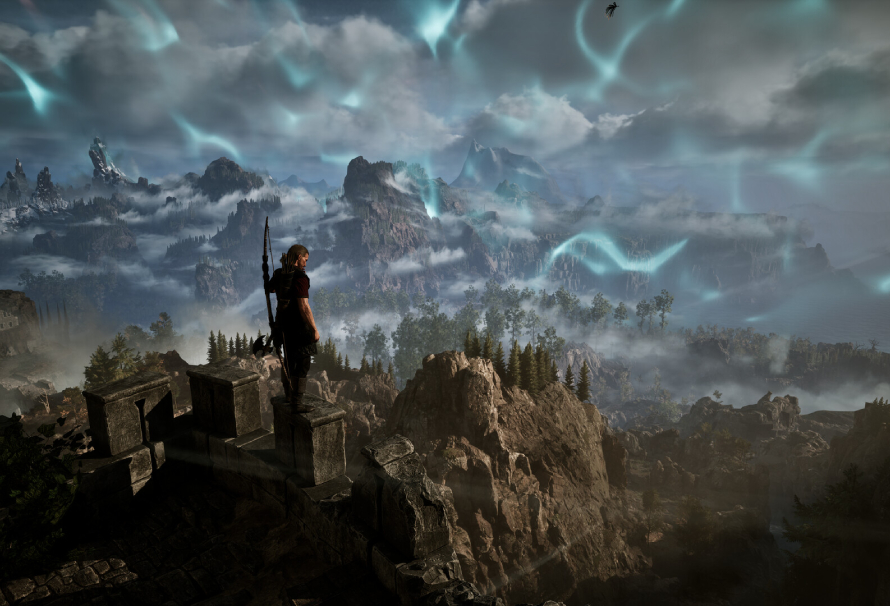
Released more than a quarter of a century ago, Gothic was a sprawling open-world RPG that, while undeniably rough around the edges, offered a wonderfully scrappy adventure for RPG fans. It was the sort of game that would later help define the affectionate “Eurojank” label: ambitious, awkward, memorable, and full of personality.
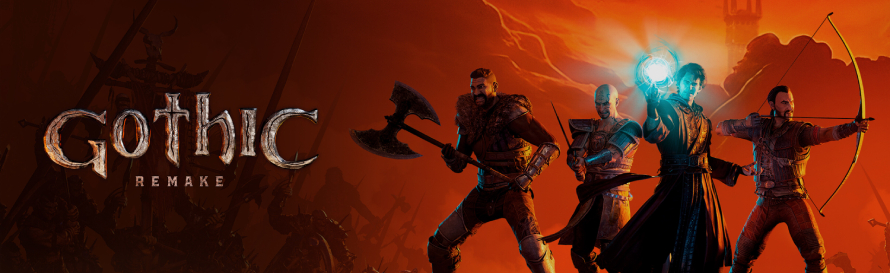
That rough charm is a huge part of why Gothic still has such a devoted following today. Now, 25 years later, developer Alkimia Interactive and THQ Nordic are bringing it back with a full remake.
So, how does the Gothic 1 Remake improve on the original? Well, we’re glad you asked.
Game engine technology has come a long way since Gothic first launched in 2001, so it makes sense that the Gothic 1 Remake has been rebuilt from the ground up for modern hardware.
Powered by Unreal Engine 5, the remake features all-new assets, a huge increase in texture and lighting detail, support for higher frame rates and resolutions, and a generally much richer sense of place. In short, this classic European RPG is being dragged, kicking and screaming, into 2026.

The move to Unreal Engine 5 also allows for a much greater variety of NPCs. In the Gothic 1 Remake, more than 600 unique faces and body types populate the prison colony, giving the world a level of visual variety much more in line with modern RPG expectations. Compared to the more repetitive character models of the original, that alone should make the colony feel far more alive.
The original Gothic had more than a few areas that felt barren or incomplete, largely because of the technical limitations its developers were working with at the time. The Gothic 1 Remake addresses this directly, with a map that is roughly 20% larger than the original.
That extra space is not just there for the sake of it, either. Alkimia Interactive has used it to flesh out locations that could not be fully realised back in 2001, giving familiar areas more detail, purpose, and atmosphere.
The remake also builds on one of Gothic’s most impressive original features: its NPC schedule system. Back in the day, Gothic’s characters already felt more alive than those in many other RPGs because they followed daily routines. In the remake, those routines are broader and more reactive, with NPCs responding dynamically to changes in the world and story.
Female characters have also been extensively reworked. Rather than simply existing in the background, they now have their own names, appearances, dialogue trees, and interactions within the game world, giving them much more presence and agency.
One of the biggest reasons the original Gothic earned its “Eurojank” reputation was its control scheme. Let’s be honest: it was clunky. Very clunky. We may all have had a higher tolerance for that sort of thing back then, but by modern standards, it could be a bit of a struggle.
The Gothic 1 Remake completely refreshes the controls with modern expectations in mind. There is now a lock-on mechanic that actually works, more responsive hit feedback, reliable dodging, and attacks that look and feel like they properly connect.

As a result, moving through the world and getting stuck into combat should feel far more responsive and enjoyable. The original’s haphazard, keyboard-crunchingly frustrating encounters have been replaced with something that better matches the ambition of the game’s world and systems.
For all its modern improvements, the Gothic 1 Remake is not sanding away everything that made the original special. One of Gothic’s most appealing qualities was how punishing and hands-off it could be. It respected the intelligence of its players and encouraged them to find their own way through its dark fantasy world.
In an era of minimaps, quest markers, and UI screens packed with helpful pointers, Alkimia Interactive has been keen to preserve that essential Gothic feeling.
Combat remains dangerous. Enemies hit hard, and the Nameless Hero begins the game without much in the way of training or martial skill. Especially early on, every fight can feel hard-won, with victory or defeat often decided by just one or two hits.
Exploration is similarly old-school. There is no minimap and no flood of quest markers guiding you from one objective to the next. Instead, players must ask NPCs for directions, buy costly maps from vendors, and use landmarks to navigate the world.
Y’know, just like the good old days.
Alongside its technical improvements, the Gothic 1 Remake also makes significant changes to the story, lore, and quest content.

One of the major criticisms of the original game was its English translation. The move from German to English left behind broken sentences, awkward storytelling, and important plot points that could feel muddled or underexplained. In the remake, the narrative has been refined so it unfolds more naturally, without the contradictions and inconsistencies that affected the original English release.
The late game has also been expanded. One common complaint about Gothic was that the quality and quantity of quest content began to thin out toward the end. The remake aims to address that with around 15 hours of new camp-specific content, including fresh questlines for both newcomers and returning fans.
The Orcs have received a major overhaul, too. They now function more fully as their own faction, with players able to learn the Orcish language and explore new questlines and story paths that were not present in the original release.
Taken together, these changes suggest that the Gothic 1 Remake is not just a visual upgrade. It is a broader reworking of a cult RPG classic, one that keeps the original’s punishing, hands-off spirit while making its world, combat, story, and characters feel far more complete.
For veterans, it could be the Gothic they remember, only richer and more playable. For newcomers, it may well be the definitive way to experience one of Europe’s most beloved RPGs.


 Add us to your RSS feed