
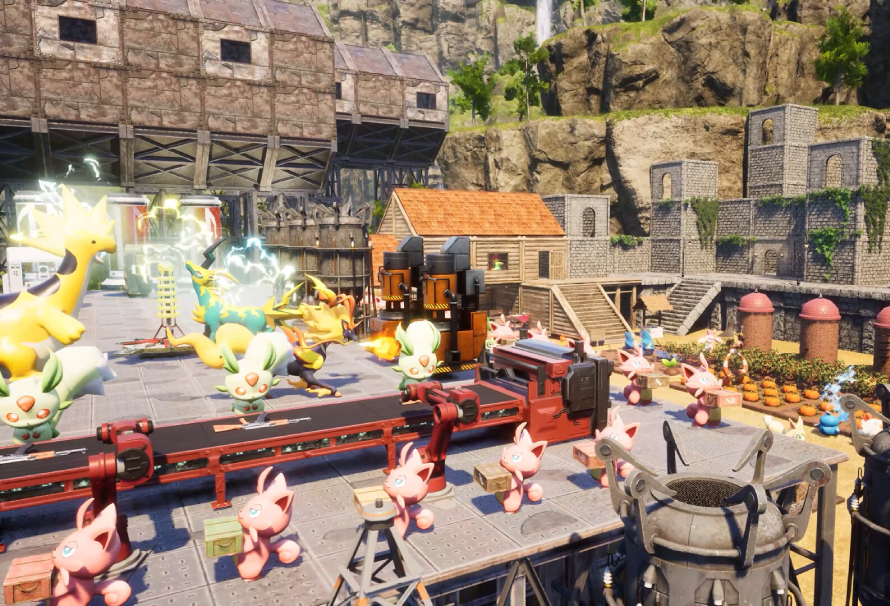
Palworld has now hit full release, and whether you’re stepping onto Palpagos for the first time or returning after a long break, there’s a lot to get your head around. Underneath the chaos, monster-catching, base-building, and occasional legal drama, Palworld is still a survival game at heart. That means preparation matters.
If you want the headline details before diving in, check out our full breakdown of Palworld 1.0’s release date, new features, gameplay trailer, and more.
To help you get off to a strong start in Palworld 1.0, we’ve put together some practical beginner tips covering world settings, base building, Pal catching, gear, travel, and a few easy mistakes to avoid.
Before you properly dive in, take a minute to look through your world settings. Palworld gives you a surprising amount of control over how forgiving, grindy, or chaotic your world can be.
You can adjust things like experience gain, resource gathering, damage, stamina, and what happens when you die. If you don’t want to spend hours farming basic materials, or you’d rather focus on exploring and catching Pals, there’s no shame in tuning the experience to suit you.
The best part is that you can adjust many settings after creating a world, as long as you do it before loading back in. So if the game starts feeling too slow, too punishing, or too easy, tweak it rather than forcing yourself through a version you’re not enjoying.
If you’re coming back for Palworld 1.0 and previously used mods, take extra care before loading an old world. Major updates can break outdated mods, and Pocketpair has specifically warned players to remove incompatible mods before playing the new version.
It’s also worth backing up your save before jumping in, especially if you’ve spent dozens of hours building bases, breeding Pals, or clearing bosses. A few minutes of caution can save a lot of heartbreak later.
Your first base doesn’t need to be perfect, but it should make your life easier. Look for somewhere with nearby resources, enough flat space to build, and a layout that won’t constantly trap your Pals on rocks, cliffs, or awkward terrain.
A good early base location should ideally have access to wood, stone, ore, and open building space. Being close to resources saves time, and time is one of the most valuable things in Palworld. The less you have to sprint back and forth carrying basic materials, the faster you can build, craft, and explore.
Defensibility matters too. Avoid placing your base somewhere too exposed if raids are enabled, and try not to build in a spot where enemies can easily swarm every angle.
A tidy base is nice, but a functional base is better. Your Pals need to move between beds, food, workstations, storage, and resource nodes without getting stuck or wasting time.
Place storage close to production areas. Keep food accessible. Give your Pals enough room around crafting benches, farms, and mining spots. If workers keep stopping, wandering, or failing to reach tasks, your layout may be the problem rather than the Pals themselves.
As your base grows, think of it less like a house and more like a little production line. The smoother the layout, the less you’ll have to babysit it.
If you’re ever unsure what to do next, check your base missions. These objectives are more than a tutorial checklist. Completing them increases your base level, which unlocks more working Pal slots and expands what your settlement can do.
A higher base level means more production, more flexibility, and more room to specialise. It also gives you a clear path through the early game, especially when Palworld starts throwing a dozen possible distractions at you.
When in doubt, progress the missions, improve the base, then head back out stronger.
Yes, you should absolutely catch loads of Pals. Different Pals have different elements, work suitabilities, passive traits, and partner skills, so variety is incredibly useful.
Catching duplicates is also worthwhile. Extra catches can provide experience bonuses, give you better passive skill options, and help you find stronger workers or fighters. Even if you already have one of a species, another might have better traits or be more useful for breeding later.
Try to build a team that covers different elements and roles. You’ll want combat Pals, base workers, mounts, gatherers, miners, kindling specialists, and more. The broader your collection, the easier it is to respond to whatever the game throws at you.
Palworld’s elemental system matters, especially once fights start getting tougher. Pals and attacks have elemental strengths and weaknesses, so bringing the right team can make a huge difference.
You don’t need to memorise everything immediately, but you should start paying attention to what works. If a boss or wild Pal is giving you trouble, swap in Pals with a better elemental matchup rather than brute-forcing the same fight over and over.
A balanced team will save you resources, reduce failed captures, and make boss fights far less stressful.
Your Pals will do a lot of fighting, but you still need to look after yourself. Better armour can improve survivability, and some gear offers protection against environmental hazards like heat or cold.
Weapons matter too. Even if you prefer letting your Pals handle combat, your own damage can help finish fights, weaken targets for capture, or save you when things go sideways. Keep an eye on new crafting options as you unlock technology, and don’t forget to repair or replace gear before heading into dangerous areas.
A good rule is simple: if you’re entering a new biome or fighting stronger enemies, check your equipment first.
Palworld’s map is big, and walking everywhere gets old quickly. Early on, activate every fast travel statue you find. Even if you don’t need it immediately, you’ll thank yourself later when you need to return to an area for resources, bosses, dungeons, or rare Pals.
Mounts are just as important. A reliable ground mount makes exploration faster, while a flying mount can completely change how you move through the world. Once you have access to rideable Pals, prioritise the ones you’ll actually use and craft the relevant saddle.
The less time you spend trudging across familiar ground, the more time you can spend doing the fun stuff.
Technology points unlock new structures, weapons, gear, saddles, and base tools, but not every unlock is equally useful right away. Prioritise upgrades that solve immediate problems.
Need better movement? Unlock a saddle for a Pal you actually own. Struggling with production? Unlock better workstations. Taking too much damage? Look at armour. Running out of food? Improve farming and cooking.
It’s easy to unlock something just because it looks shiny, but practical upgrades usually pay off faster.
Before heading into a boss fight, dungeon, or dangerous new area, do a quick checklist. Bring food, repair your gear, rest your Pals, check your ammo or weapon durability, and make sure your team has sensible elemental coverage.
Palworld can go from peaceful resource gathering to absolute disaster very quickly. A little preparation makes those disasters much easier to survive.
Palworld gives you a lot of freedom, and that’s part of the fun. You can build a cosy production hub, chase rare Pals, optimise your team, explore every corner of the map, or simply cause a bit of creative chaos.
The best beginner advice is to make the game work for you. Adjust the settings, build somewhere practical, catch more Pals than you think you need, and keep upgrading your base, gear, and travel options. Do that, and your first steps into Palworld’s full release should be much smoother.




 Add us to your RSS feed