Indie games releasing in June are blessed with just about every genre imaginable, and there are more games than you, us, or anyone else can realistically play. Seriously, we dare you to try and do it. Go ahead and download every indie game that comes to not just Steam, but sites like itch.io as well. It can’t be done, and until someone shows us otherwise, that’s what not only those of us here at GMG, but the denizens of Earth itself will believe.
Thankfully, the internet serves as a wonderful tool for taking a more focused look at things. We’ve gone ahead and scoured through the multitude of games coming up this month to find the ones that look the part, or ones that we have secret knowledge of (no secret knowledge can be found here). Let’s dive on in like Scrooge McDuck.
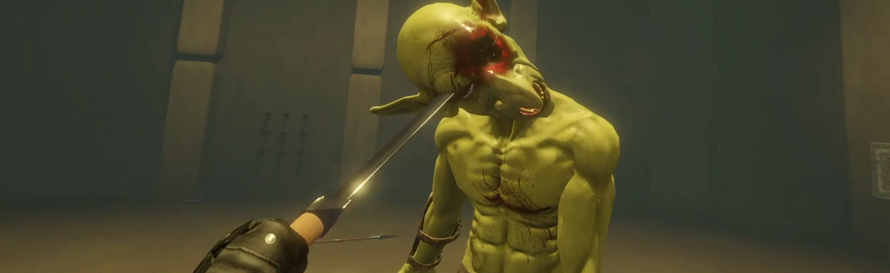
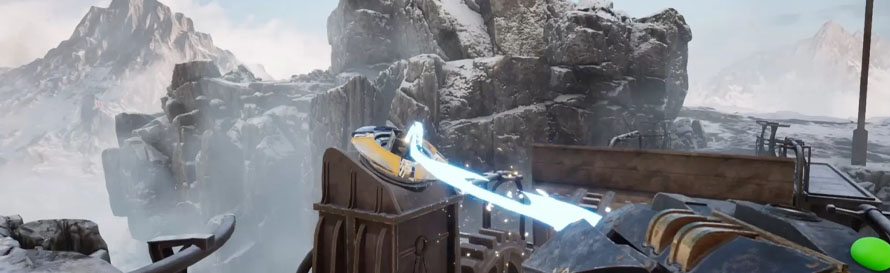
Battle Talent is actually a VR game that a fair few people may have already played, and that’s because it’s been free on the Meta Quest store for a bit thanks to App Lab, which is the Meta Quests version of Early Access, sort of. Battle Talent is an immensely enjoyable physics-based roguelike battler where you stick through swords and spells through different skeletons and monsters. It’s intense, but it’s very satisfying.
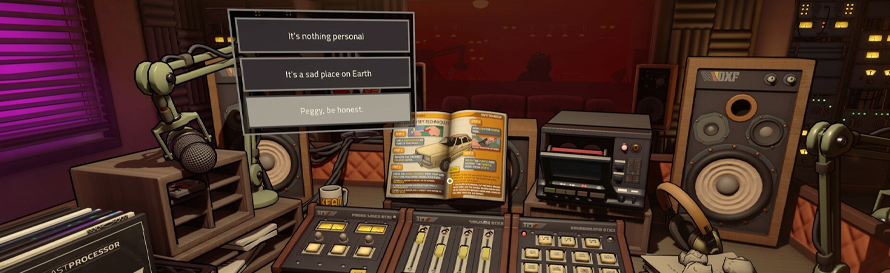
Here’s one for the horror fans. Killer Frequency is a first-person horror game that has you playing as a late-night radio host. Unfortunately, you keep getting callers who are being stalked by a killer, and it’s your job to try and save them. There are puzzles to solve, lives to save, and a jukebox filled with 80’s tunes to listen to.
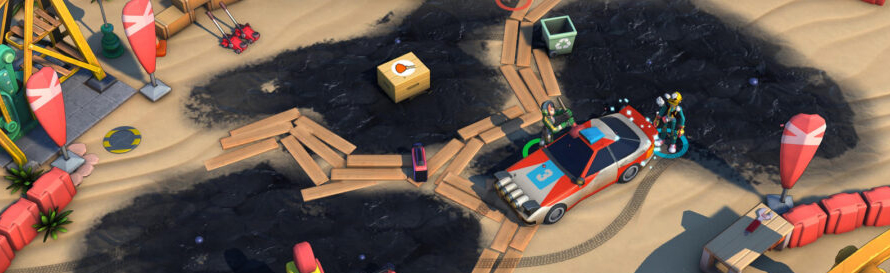
Speed Crew is a new party game that has you and your friends trying to be an effective pit crew. However, that’s probably not going to be easy, because otherwise, it’d be a really boring game. It’s got online and local co-op, and looks like it plays a bit like Overcooked but for cars, which sounds like a blast.
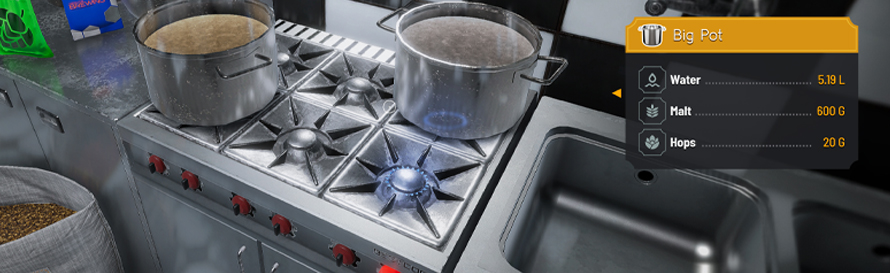
If you’ve ever wanted to run your own bar, which is also a brewery, then here’s your chance. Brewpub Simulator basically gives you a run-down brewery to make work. Along with doing things like serving customers and trying to keep them happy, you’ll also need to perfect the art of brewing itself to keep them coming back for more. You can also spend some time playing darts and pool, because this is a good pub.
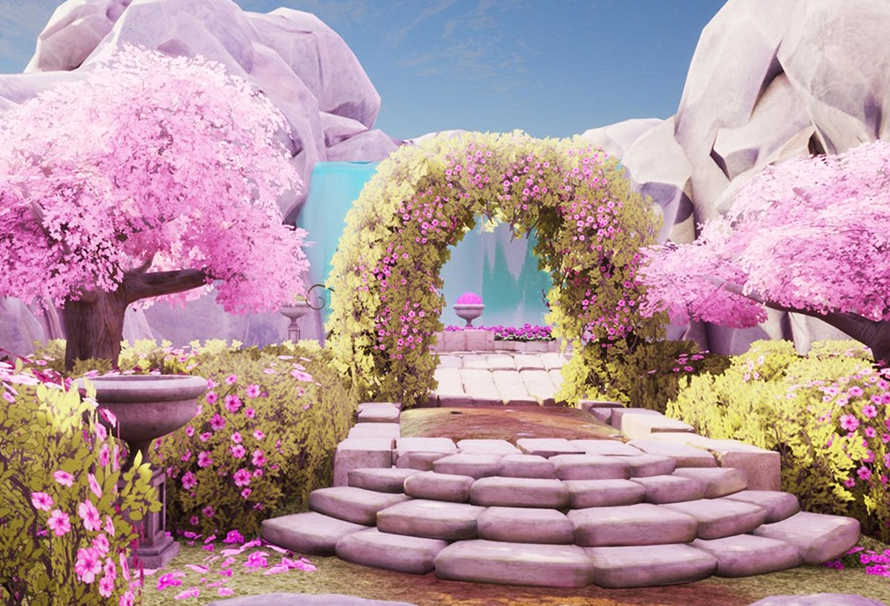
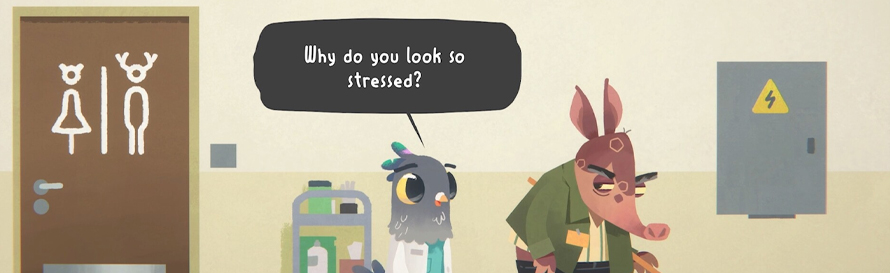
Fall of Porcupine is a story adventure game where you’ve got to explore the unhealthy side of a healthcare system. You take control of Finley, a pigeon, who needs to learn more about not only looking after people, but also try and discover the secrets of Porcupine itself. Also, there are a fair few mini-games to find as you uncover things, and there’s even a free demo on the Steam store right now.
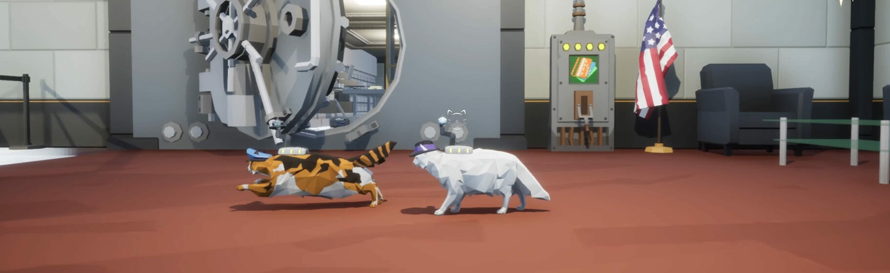
Everyone knows that cats are all thieves, but this is the chance to finally enjoy being one. Heist Kitty lets you and some friends go around stealing things, knocking things off of high places, and just generally being a pain in the butt. It’s fairly tongue-in-cheek, but it looks like it could be good for those wanting something a bit more light-hearted.
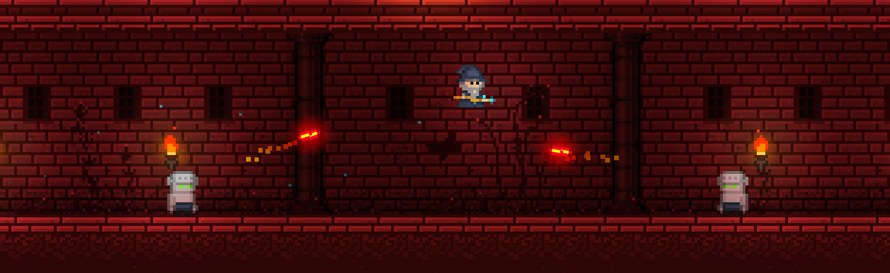
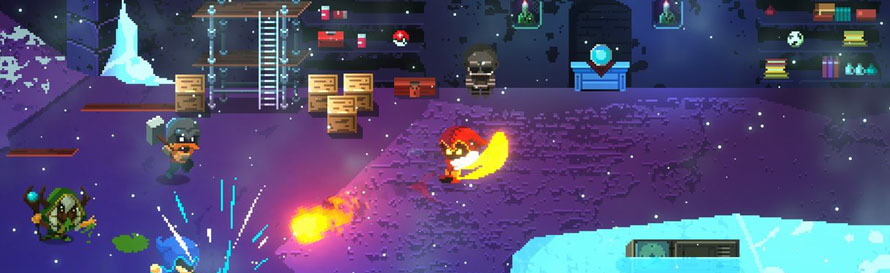
Fireball Wizard is a retro-styled arcade platformer that wants you to fight through over forty levels and defeat bosses and find secrets along the way. It’s got a lovely visual style that’ll feel deeply nostalgic for anyone over the age of 30, and the mix of action and platforming should help keep the game feeling fresh even in the later levels.
Inner Ashes is a first-person adventure game with a heavy focus on both puzzle-solving and a compelling narrative. You take control of Henry, a forest guard with early-onset Alzheimer’s, who is trying to discover why his only daughter is no longer in his life. There’s no doubt that this is going to be a fairly hard-hitting story for a lot of people, but that can make it all the more worthwhile as a piece of art.
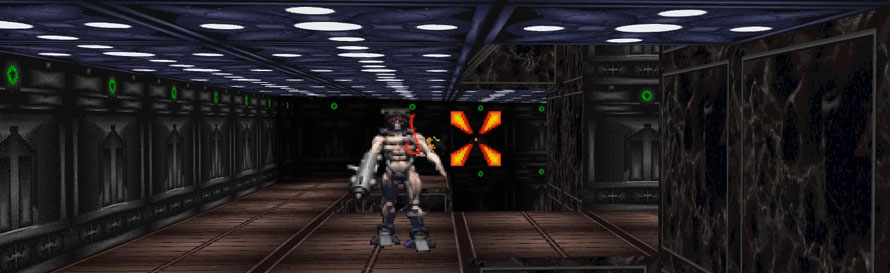
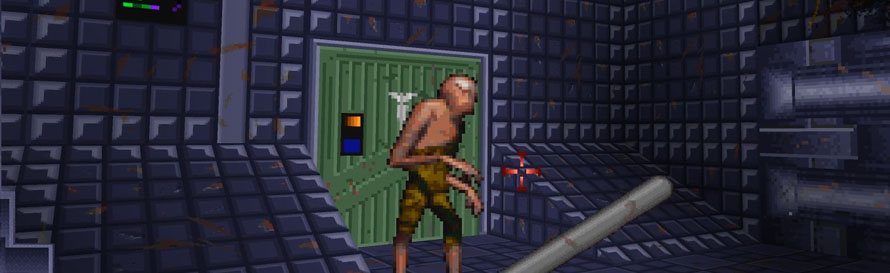
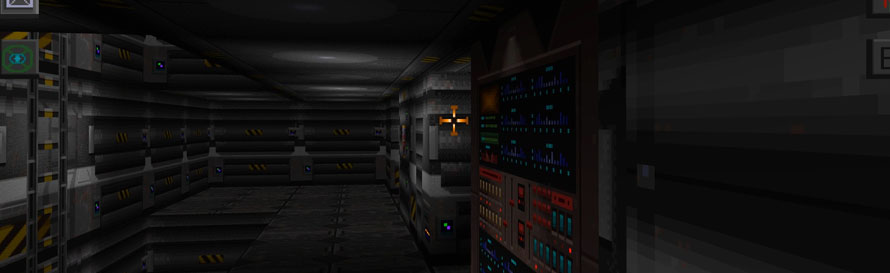
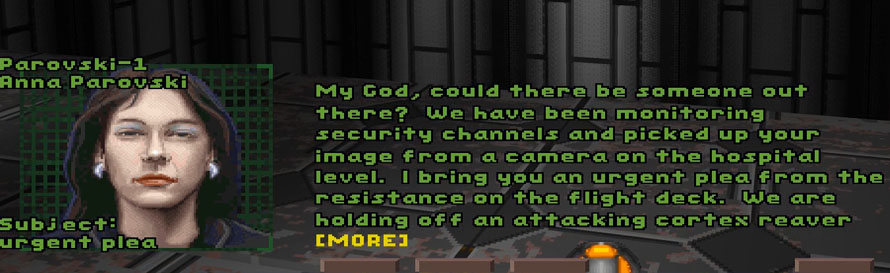
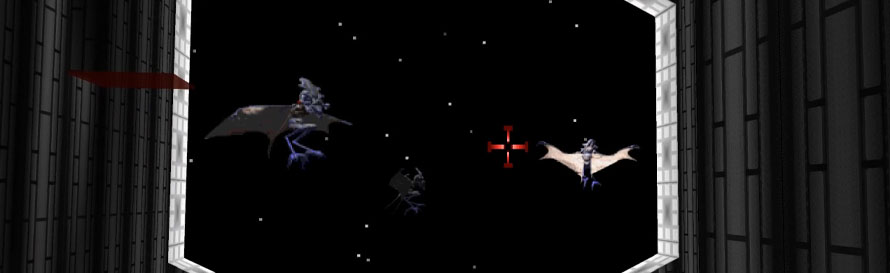
Long before BioShock, Prey, Dishonored and other immersive adventures of that ilk came along there was System Shock, a groundbreaking effort from Looking Glass Technologies which laid the foundations and supplied the design DNA for many of those aforementioned heralded titles. Returning in remade form to PCs everywhere in May 2023, here are ten reasons why System Shock remains an all-time classic.
A thought provoking and grimly framed narrative about AI and transhumanism
Set within the confines of Citadel Station, a near future space station orbiting the earth, System Shock poses the question about what would happen if not only did an AI gain sentience and thus control of the station, but also if that same AI also had an ultra-narcissistic god complex to boot. More precisely, System Shock delves into the idea of transhumanism – the notion that SHODAN, the rogue AI in question, believes that humans are imperfect creatures in their default, fleshy form and that only by cybernetic augmentation can they truly reach their highest potential. Grim stuff indeed.
SHODAN remains one of the most terrifying video game villains ever
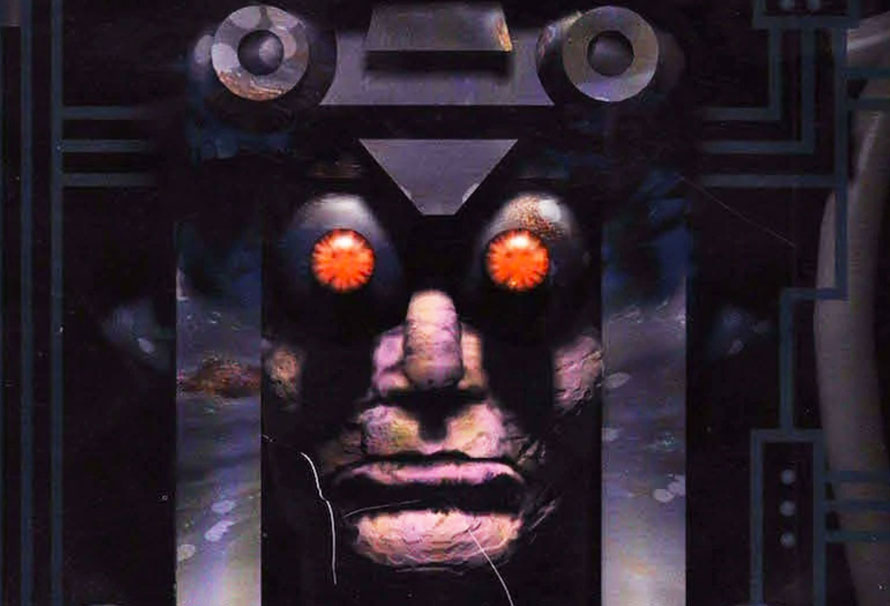
Arguably the anchoring point of System Shock is SHODAN, the nihilistic AI that has gained sentience within the halls of Citadel space station. Much more than just a variation of Skynet, the sentient AI from the Terminator movies, SHODAN is unique in that it believes in ascension and chiefly, its own ascension beyond just existing as lines of code within cyberspace.
Seeing itself as a god capable of transforming humans into their ‘superior forms’, SHODAN’s arrogance is deeply rooted in psychosis and never misses an opportunity to taunt the player from the beginning of the game all the way to the end. Always feeling like a constant presence that lurks just over your shoulder throughout the game and given a truly unsettling voice courtesy of American musician Terri Brosius, SHODAN is a true omnipresent threat and one of the best video game villains ever.
You’re a morally compromised protagonist rather than a squeaky clean hero
Rather than putting players in control of some white meat, gung-ho protagonist with all the depth of a puddle on a summer’s day, System Shock instead puts players in the shoes of a nameless hacker who rather than suffering punishment for an ill-advised hack of the TriOptimum corporation, agrees to confidentially hack the SHODAN AI on Citadel Station. Awakening from a medical coma only to discover that SHODAN has taken control of the station, System Shock is as much the story of someone on the underbelly of society trying to escape with their skin as much as it is some noble endeavour to stop a power mad antagonist.
System Shock’s game engine was ahead of its time
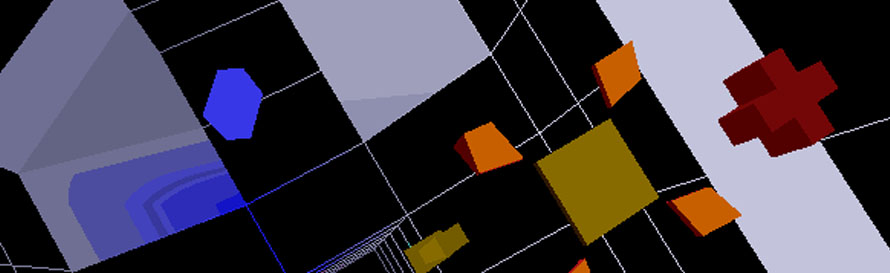
More technically advanced than genre contemporaries such as DOOM, System Shock went a step further with its game engine, permitting its level designers to fashion complex structures that could exist on top of one another in a proper three-dimensional space. More than that, the System Shock provided players with a detailed physics engine for the first time, allowing thrown objects to bounce convincingly off of surfaces depending on their size and weight. More subtly, the use of physics also directly applies to character movement too, with the camera jerking slightly forward when you begin running and then titling backwards a touch when you stop. It was astounding stuff back in 1994 that was way ahead of its time.
You can take the fight to SHODAN in cyberspace
Much more than just a narrative convenience, playing a hacker also lends itself to a significant chunk of the game mechanics in System Shock, since our protagonist makes use of their ample expertise to wreak havoc on SHODAN, diving into cyberspace to destroy viruses, disable security systems and solve puzzles. Proving that it was much more than just another sci-fi shooter, the presence of System Shock’s cyberspace diving shenanigans certainly helped to separate it yet further still from other similar looking efforts.
The choice of weaponry is more nuanced than any other shooter of its era
Though DOOM impressed with the blunt force trauma of its arsenal, which included everything from chainsaws to shotguns, rocket launchers and massive plasma cannons, System Shock instead takes a smarter and more nuanced approach to its weapons. Rather than having a linear upgrade path, the weapons in System Shock not only have different ammo types which are effective against different types of enemies, but each weapon can also be modded in order to enhance their face-shooting capabilities yet further still. From assault rifles to rail guns and everything in-between, System Shock has your back.
Surprisingly tactical latitude for avoiding and mitigating combat
Though we’ve established that System Shock provides players with no shortage of ways to lay waste to the various cybernetic and mutant enemies, there is also sufficient freedom for clever players to mitigate or avoid combat entirely. As a hacker, System Shock let’s players do everything from blocking the path of incoming enemies by shutting down doors, to reprogramming hostile attack turrets and more besides. As nuanced as its themes, System Shock greatly rewards those that use the grey matter as much as their trigger finger.
Lack of hand holding that respects the intelligence of the player
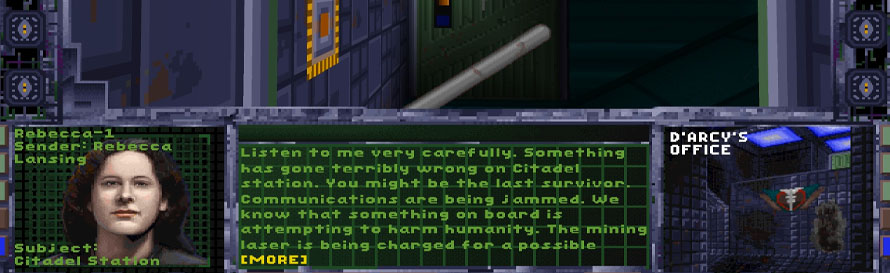
In keeping with games of its era, System Shock wasn’t especially big on leading folks by the hand, or providing an overabundance of orientation elements in the UI to spoon feed players where they should go to next. With no obvious objective markers or anything of that sort, System Shock instead relies on players to gain direction from the content of the various emails and audio logs that are scattered through the Citadel Station. In short, System Shock respects the intelligence and resourcefulness of players and in the absence of any living NPCs to give you any sort of direction, it makes perfect sense that developer Looking Glass Technologies would design the game this way.
Exposition through e-mail logs and other records
When System Shock’s protagonist awakens after a six month long medical coma, it’s fair to say that the number of other folks that are also breathing, let alone that would want to engage in fruitful conversation, is basically nil. Knowing this, the developers behind System Shock instead elect to tell its tale of AI supremacy, transhumanism and straight up science fiction horror through a wealth of emails, audio logs and of course, through SHODAN itself. System Shock’s story is one that has been built for the well read and the patient. How refreshing, eh?
An evocative soundtrack that still slaps
Leaning heavily into its cyberpunk setting, System Shock made the most of the MIDI music technology of the time to deliver a treat for the ears. Boasting an industrial influenced soundtrack that brilliantly underscores its grim cyberpunk action, the electronic thrum of System Shock’s sonic offering has remained long in the memory of those crusties (like me) that were around to hear it and still slaps, even today.
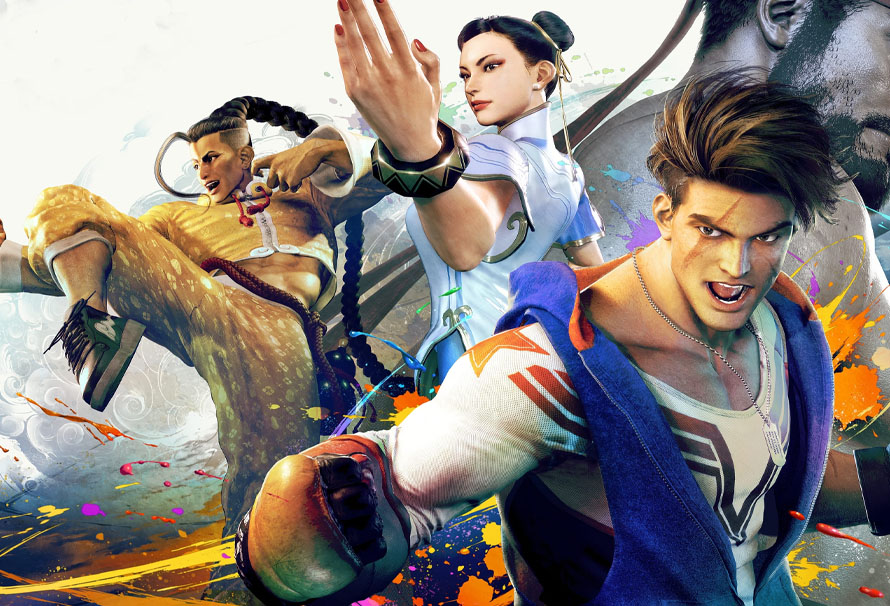
The best fighting games allow you to practice the unique mechanics in that game, but still find and perfect your own style and flair. Fighting games are still strangely niche, despite them being one of the older genres in gaming, but we’re expecting things to flair up again this year thanks to a roster of new games, including the rather tasty-looking Street Fighter 6.
It’d be easy to recommend things like Soul Calibur and Tekken here, but we’re aiming for games you’re less likely to have heard of. After all, if you’re trawling lists on the internet, the chances are you’ve seen a lot of the same entries so far, because the best games are always the best games. So, here are a few of the best fighting games that you might not have played or heard of.
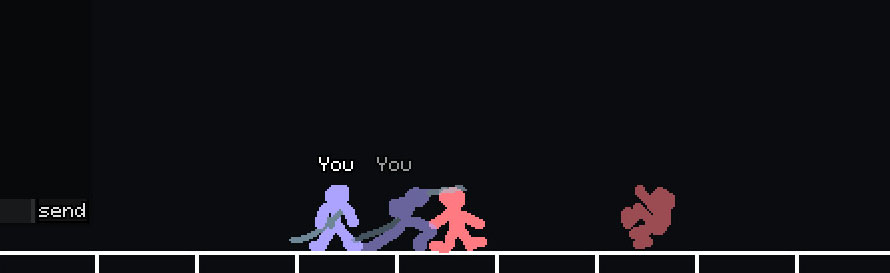
Your Only Move Is Hustle is quite possibly the most incredible fighting game to have been released in the last decade, and it’s also under a fiver. The game features four main characters to play as with deep and rewarding mechanics to learn, but mods allow you to add in countless others, including a Moonwalker and a Saiyan. Then it’s up to you and whoever you’re fighting to solve things with your fists. Oh, also the game is turn-based, and each fight can take up to 20 minutes to get through, but then replays in real time once someone has one to make you both feel like absolute badasses.
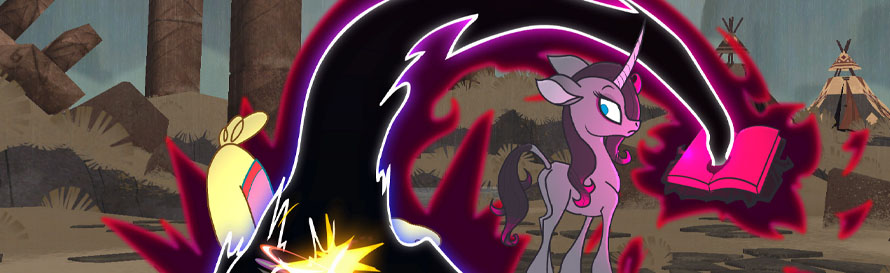
Them’s Fightin Herds is an adorable fighting game with characters designed by Lauren Faust, who’s responsible for some excellent character designs and cartoons. You’ll be battling to the death with a bunch of hooved animals, but while it may look cute, the mechanical dexterity required here is off-the-charts, and it’s intensely satisfying to master any of the characters, let alone the game itself. You also get to beat up horses, so that’s good if that’s something you’re really into for some reason.
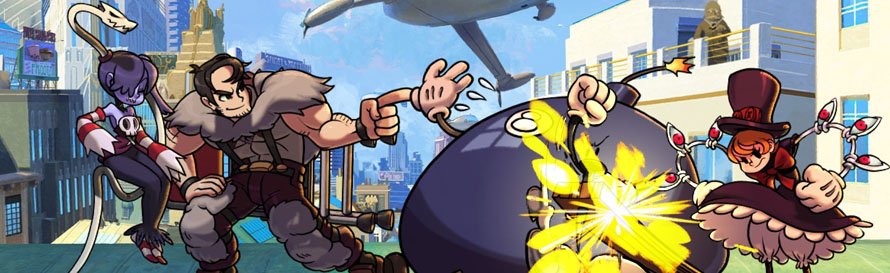
This is one of the coolest fighting games out there, and the cast of characters is amazing. This high-tech fighting game has a fully-voiced story mode to explore with loads of excellent characters, including one fighter who is basically a sentient wind instrument. The art style is beautiful, the beatdowns are brutal, and the price is pretty good too.
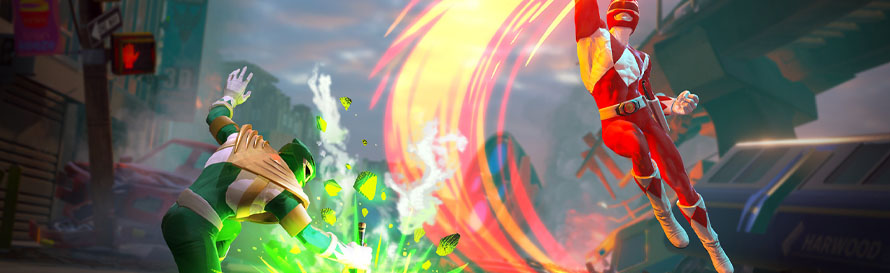
It’s weird to include a game about the Power Rangers on a list of the best fighting games that aren’t as popular, but here we are. Power Rangers: Battle for the Grid is an exceptionally satisfying fighter that pits characters from all the different Power Rangers ages against one another in brutal, lightning-fast battles. It’s actually very tough when playing against CPU players, so bring your A-game.
The Thrill of the Fight is a virtual reality boxing game. Boxing is an excellent fighting game, nobody can deny that, and The Thrill of the Fight captures it in an unparalleled way. You get to throw down with a variety of opponents, and the best part of all of it is that you’ll be getting an intense workout as you’re playing the game. There are other VR fighting games, but this one’s still the heavyweight champion of the world in our eyes.
If you love the idea of fighting games but always feel like they’re too complicated, then Pocket Rumble has you covered. This fighting game just uses two different buttons for attacks, and it brings down the need for complex combos immensely. There’s still depth to be found here though, and the adorable old-school art style helps sell the whole thing as a complete game that’s great for fighting game pros and newcomers alike.
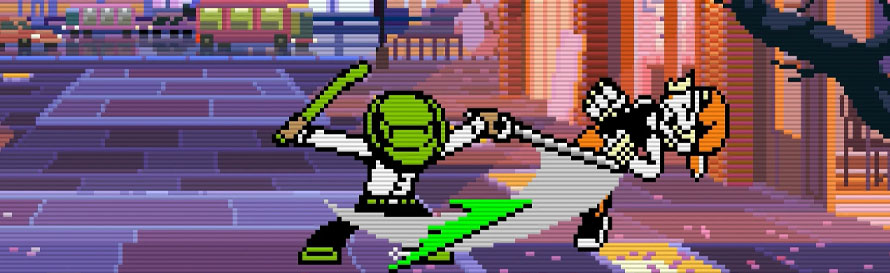
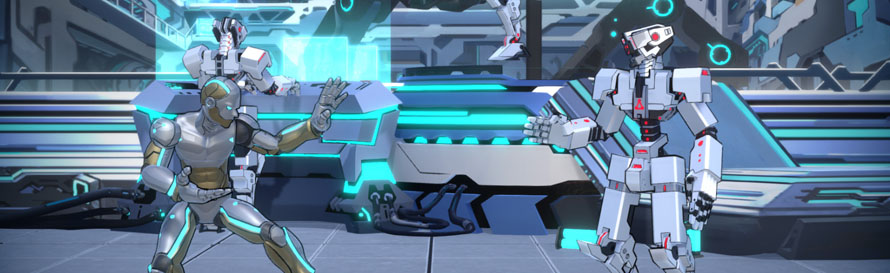
One of the coolest parts of any fighting game is the customisation. Not every game gets it right though, but Fight of Steel: Infinity Warrior is almost entirely about play customisation. You get to build your very own robot fighter, and not only choose how they look, but also get into the nitty-gritty of their moves. The result is a fighting game that’s almost as much fun to plan as it is to play, and it’s a great one to get into as a result.
With Green Man Gaming hitting its 13th birthday, we decided that there was no better way to celebrate this most momentous occasion than by looking back at the best games of the last 13 years. So without further ado, these are the best games that have been released since Green Man Gaming launched all the way back in 2010.
Boasting one of the best narratives of just about any RPG ever, Obsidian Entertainment’s stab at the post apocalyptic Fallout mythos relocated the whole thing to the titular Sin City and built upon the same solid open world RPG gameplay that Fallout 3 had just a couple of years prior. With some of the most memorable characters and quest lines ever, it’s little wonder why fans still clamour for a sequel to the game that many consider to still be Obsidian’s finest hour.
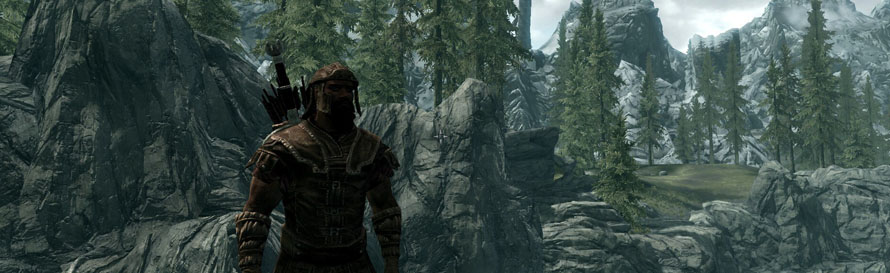
Though it’s occasionally amusing to poke fun at just how many times The Elder Scrolls V: Skyrim has been re-released and ported over the past decade, it can also be easy to forget just how good Bethesda’s last numbered Elder Scrolls game really was and is. Offering up a sprawling, frosty fantasy realm for players to carve out their own stories against the backdrop of an epic narrative about dragons, gods and more, The Elder Scrolls V: Skyrim has long been recognised as a modern day RPG icon. All of a sudden the frenzied porting and re-releases of The Elder Scrolls V: Skyrim make a whole lot of sense.
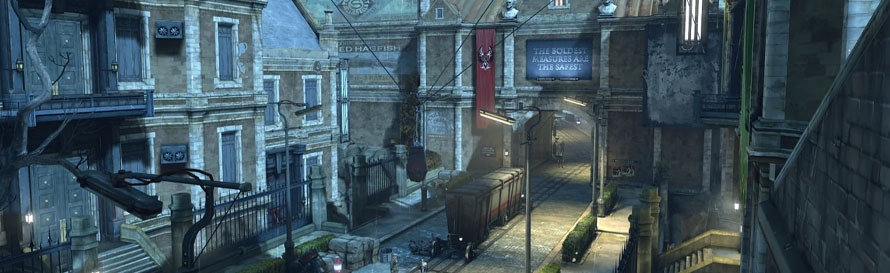
Setting the stage for one of the most immersive, first-person stealth adventures ever, Dishonored thrust players into the magical boots of Corvo Attano, an immensely powerful assassin trying to clear his name after the murder of the Empress of Dunwall. A natural heir in many ways to the Thief games, Dishonored grandly expanded upon its classic influences by allowing players to freely murder and sneak from the darkness, or unleash a barrage of devastating magical attacks upon their foes.
More than that, it’s really the world of Dunwall that has made Dishonored so timeless, with developers Arkane depicting a largely filthy world that is almost entirely on whale blubber and oil, while every part of the game world functionally arms players with sufficient tremendous creative latitude to approach their endeavours.
As I write this in 2023, Grand Theft Auto V is still extremely prominent with its Grand Theft Auto Online multiplayer mode still doing the sort of decade-long monster business that other games publishers would do unholy things for. Grand Theft Auto V also made brave strides with its story-driven, single-player campaign too, allowing players to switch between three very different protagonists at any one time, all the while fleshing out a fictional take on Los Angeles and South California with eye-opening detail.
One of the best critically and commercially received games of all-time, the fact that Grand Theft Auto V recently gained a re-release on current-gen consoles with revamped ray-traced visuals should provide you with some clue about just what rude health Grand Theft Auto V still enjoys.
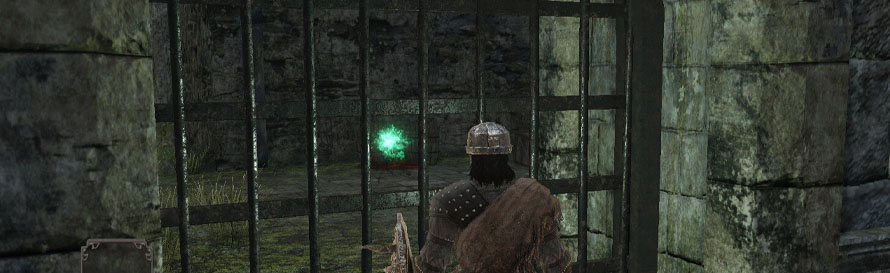
After the runaway success of the first Dark Souls title back in 2011, a sequel seemed like a done deal and so Dark Souls II rocked up in 2014 to carry the torch of its illustrious, action RPG predecessor. Though regarded as a black sheep of sorts by some corners of the Dark Souls fandom, Dark Souls II nonetheless soared with more deliberate combat, superb new hub areas, power stances, reworked PvP mechanics and a fantastically enticing New Game Plus mode.
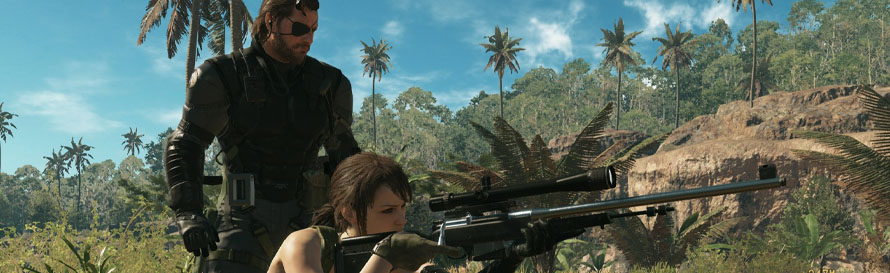
With its much more open-world style design, Metal Gear Solid V: The Phantom Pain went to significant, shall we say, pains, to separate itself from the previous games in Hideo Kojima’s legendary stealth series. Continuing the Cold War setting seen in Peace Walker and Ground Zeroes respectively, The Phantom Pain deftly blended this newfound nonlinear approach with all of the stealth mechanics and trademark absurdity from the best entries in the franchise.
Though seemingly the final stop for the Metal Gear Solid series, at least for now, The Phantom Pain nonetheless saved some of its best and most transformative moments until last.
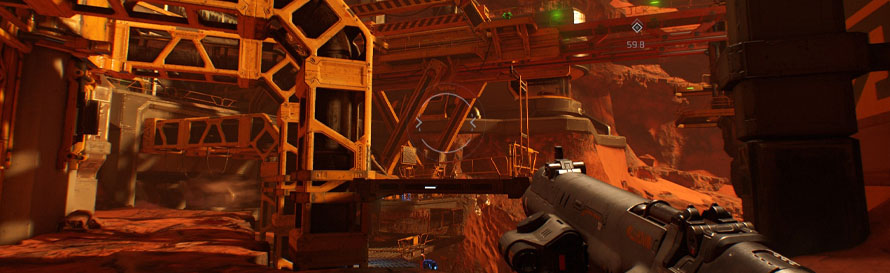
With its super satisfying arsenal, monstrous foes and superb level design all set against the thrashing thrum of Mick Gordon’s furious soundtrack, DOOM’s 2016 release represented a textbook example of how to reboot a much beloved genre icon.
By reimagining the godfather of the FPS genre with a retina-searing audiovisual presentation but keeping the run ‘n’ gun mechanic of the superlative 1993 original very much intact, DOOM in 2016 would set an all-new standard for its genre stablemates to follow.
Weaving a wistful though melancholy tale, What Remains of Edith Finch is a first person narrative adventure that meditates on the power of stories and how the memories of our loved ones can manifest as such. What Remains of Edith Finch has players exploring the familial home of the Finches, uncovering clues and stories about all of Edith’s deceased relatives through a variety of very different gameplay sequences that reflect the individual natures of each family member duly.
Stirring, amusing and heartbreaking in equal measure, What Remains of Edith Finch is an unforgettable cacophony of storytelling that lingers long in the memory after the credits have completed their roll.
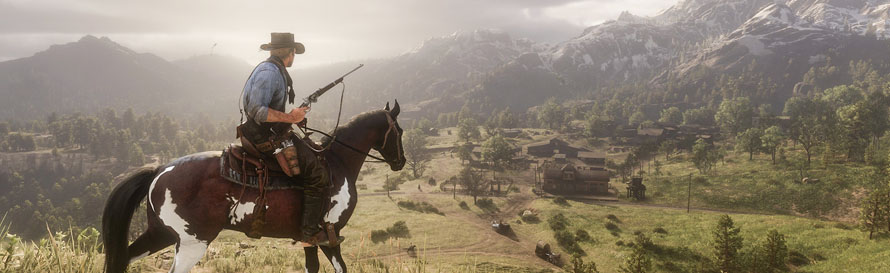
Rockstar Games third foray into the dusty and cutthroat frontier of the Old West proved to not just be its best yet, but gave wannabe cowboys an evocative, painstakingly detailed take on that era which felt like a microcosm of the best Wild West movies ever made. Beyond its irresistibly compelling setting, Red Dead Redemption 2 also presented players with a deeply physical world full of heft and secrets to unearth, all of which served to underscore the breathtaking sweep and scope of its story campaign as players rampaged across the Old West during its dying days.
Endlessly immersive and filled with enough interesting characters and ample tragedy to make Sergio Leone blush, Red Dead Redemption 2 is a peerless masterclass in open world building and impactful storytelling that everybody should play.
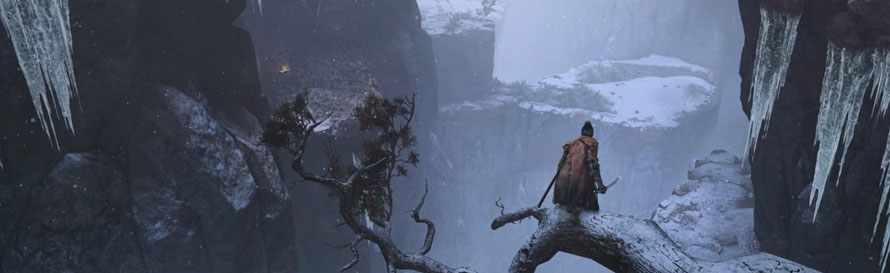
Though Sekiro: Shadows Die Twice comes from the same wickedly talented team of folks that gave us the Dark Souls games, Sekiro’s approach is far removed from the typically more proactive aggression that is so often rewarded in FromSoftware’s more famous series. Unfolding against the backdrop of Sengoku-era Japan, Sekiro places players on a path of vengeance as a disgraced warrior who must protect a vulnerable young lord and face off against a murder’s row of monstrous foes in the process.
Though the setting is relatively fresh, it’s really in the counter-focused melee combat that Sekiro truly excels, making the player feel like a true Samurai savant as successful split-second parries can end fights while later on in the game, failing to do so can send your wayward warrior to an early grave.
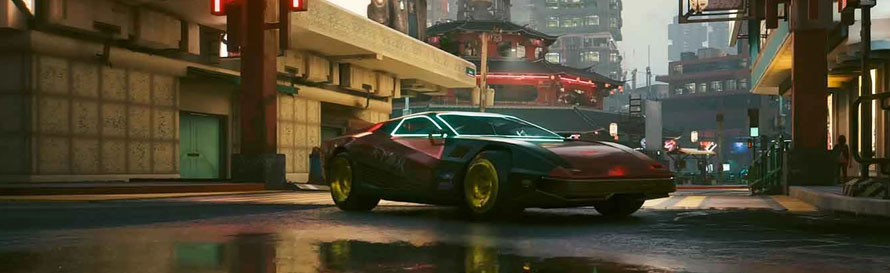
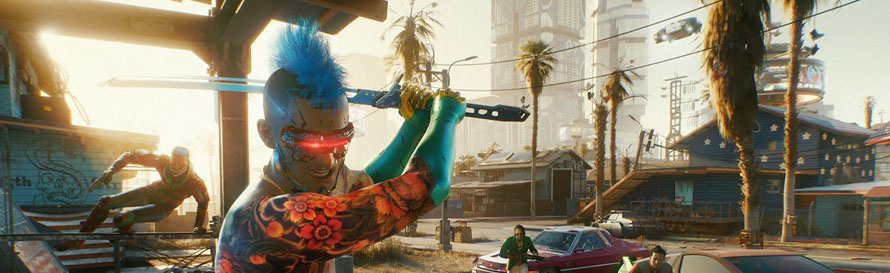
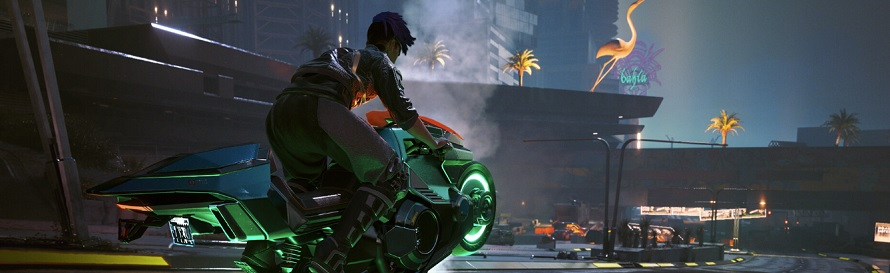
It’s no secret that when Cyberpunk 2077 released in 2020 that it was in decidedly rough shape and yet in the intervening time since its debut, developer CD Projekt has stuck with the game, diligently patching out the myriad performance issues and bugs. The result is that Cyberpunk 2077 is now among one of the best action RPGs available, offering up a sublime game world in Night City which taps into all of the most evocative fantasies about just what a cyberpunk game world rendered with high fidelity should look and sound like.
With a focus on freewheeling character customisation, non-linear story progression and more side quests than you can shake a katana at, Cyberpunk 2077 is now among one of the most essential RPGs on the market.
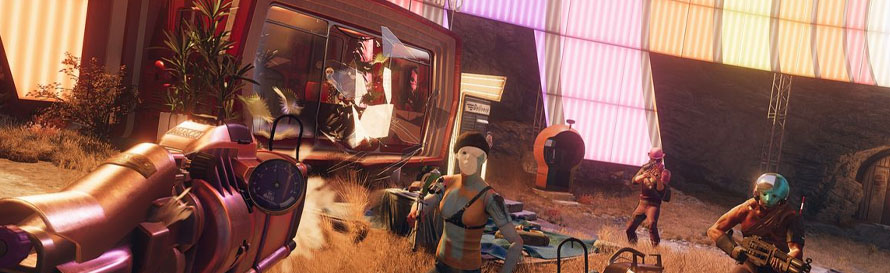
Taking all the right lessons from Arkane’s previous immersive simulation offerings in Dishonored and Prey, Arkane’s Deathloop would dramatically augment the concept with a Groundhog Day style mechanic, but I’m getting ahead of myself. Marooned on the hedonistic, art-deco influenced island of Blackreef, players take control of an assassin called Colt that must track down and murder eight specific targets before the day resets.
Where the real genius of Deathloop is brought to bear is in how its time-travelling premise is blended with the non-linear shooter beats that are typical of Arkane’s output. In Deathloop, some assignments can only be completed at certain points in time and in particular areas, while players can use the knowledge gained in previous cycles to progress in future ones. There’s nothing quite like Deathloop, that’s for sure.
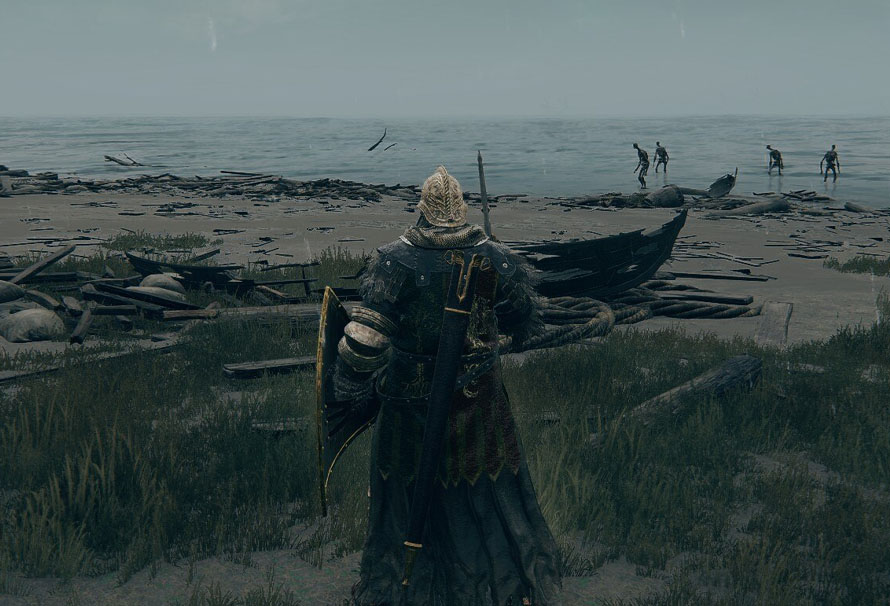
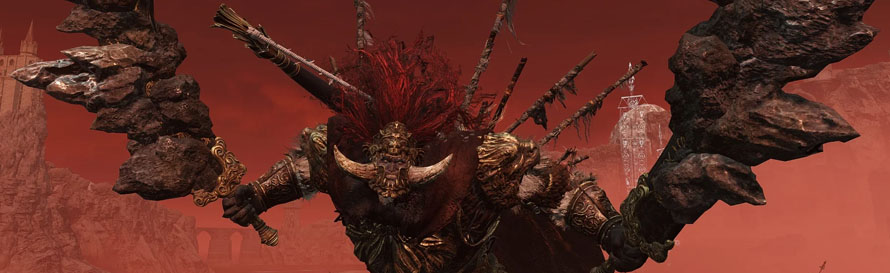
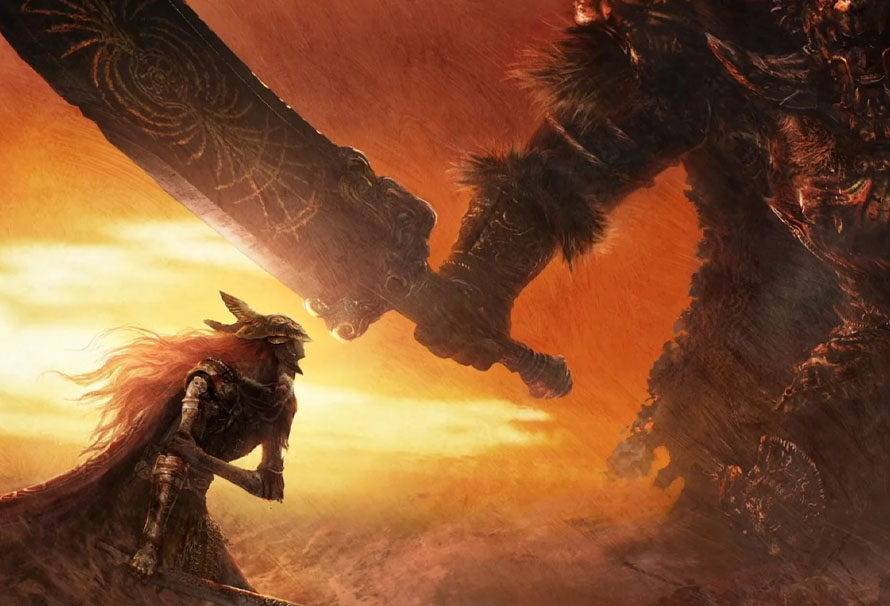
Quite rightly lauded as one of the greatest games in recent years, FromSoftware’s Elden Ring once more brings the legendary developer’s penchant for challenging combat and subtle lore to the fore. Where Elden Ring makes a keen departure from its celebrated forebears is in the embrace of a massive open world – a first for any game in the Souls-like subgenre.
The result is that Elden Ring is nothing less than a bounty of riches, as the breathlessly expansive game world of the Lands Between provides curious players with near endless vistas, nooks and crannies that all begged to be explored. An astounding evolution of the Souls formula if there ever was one, Elden Ring’s position as one of the greatest games of the past decade is absolutely earned.
The best creative/building games allow the player to let their imagination run wild, and are often set in a world that’s just as fantastical as the player’s imagination itself. There are so many different ways to interact in these games that they can often feel a little daunting to some players, but they always reward time invested with awesome constructions, clever contraptions, and a general sense of accomplishment that’s hard to beat.
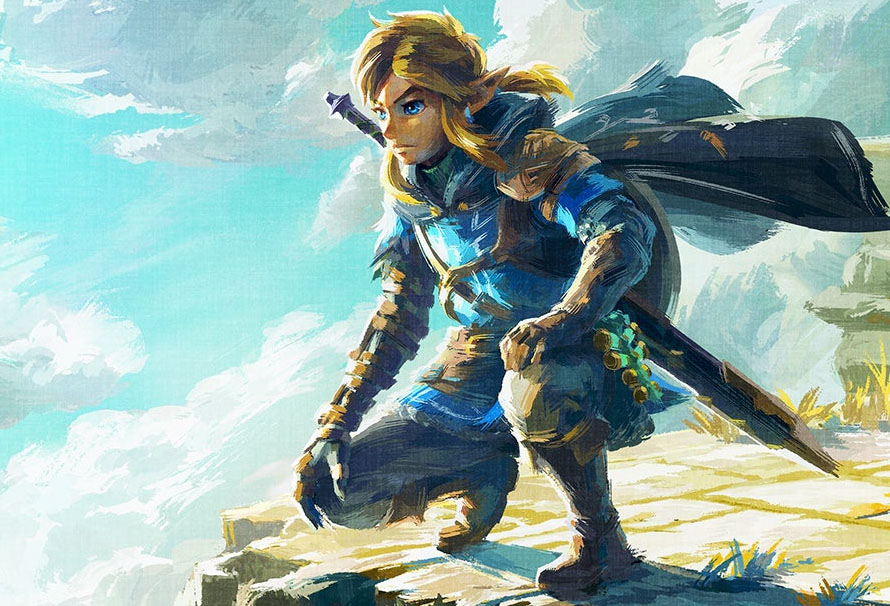
Creativity is perhaps the most surprising aspect of Zelda: Tears of the Kingdom, and we’ve all seen the video of the robot with the, uh, interestingly-placed firework. Not all of us have a Nintendo Switch though, and there are people who like the creativity, but maybe don’t like Link, or the fact that Zelda isn’t a playable character. For those people, we’ve grabbed the best creative/building games around for you to dive into and get busy with some elbow grease… to build things.
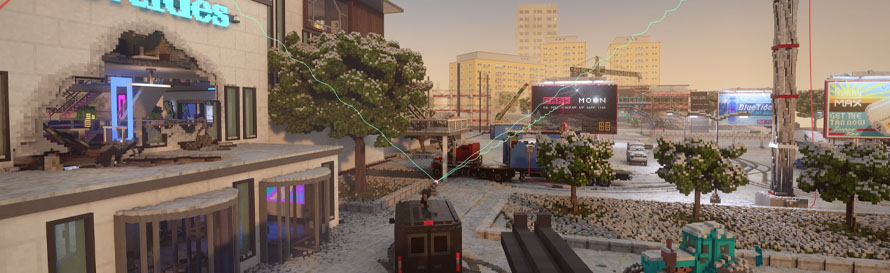
Teardown is, at least to begin with, a heist game where you have to break down the voxel-based world piece by piece to help various people achieve their mischievous deeds. You start off with just a sledgehammer and a dream, but you unlock tools as you go and can do things like put rocket boosters on a forklift truck, if you want to. It’s also got an incredible modding scene that adds in new missions, but also a lot of new tools. If you’ve ever wanted to send a tiny black hole forwards to see how it’d dismantle an art gallery, then this could be the best creative/building game you’ve ever played.
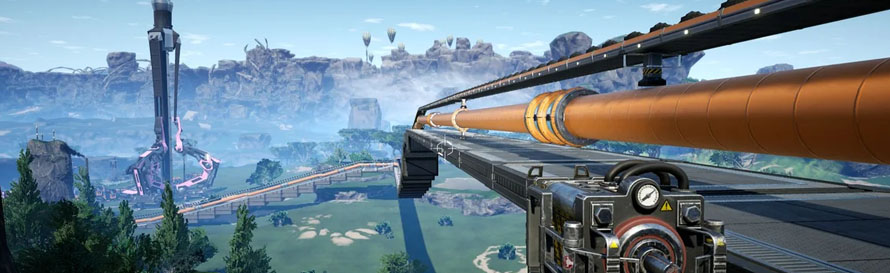
Satisfactory describes itself as a “first-person open-world factory building game.” While that’s true, it doesn’t really scratch the surface of just how involved the game can be. You and some friends can jump in to create world-sized production lines to help you create new tools and weapons, process new materials, and just generally do whatever you can put your mind to. It’s a very silly game, but also one that’s deeply rewarding for those with creative minds.
Dreams is a PlayStation exclusive that’s still fairly hard to believe. It allows players to peruse through thousands of player-created games in every genre and style imaginable, and there are gems available there that can’t be found anywhere else. It also allows players to use those same tools to create things themselves, be it just a simple player model for others to use, music, a level, or an entire game series. People have literally gotten jobs from learning game design in Dreams, so it’s the real deal.
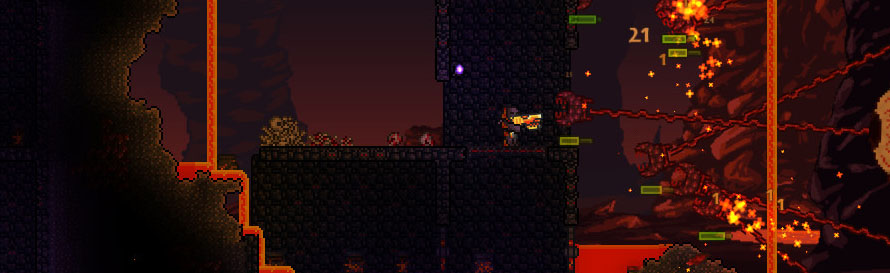
Terraria has been around for over a decade, and while it may not be as popular as Minecraft, a game which it is often compared to, we like it more, so there. Terraria has you building houses, crafting circuits and electrical buildings, and also killing Cthulhu. It’s an absurd but incredible game that rewards players of all kinds and can be whatever you want it to be, especially if you start checking out mods and playing with friends.
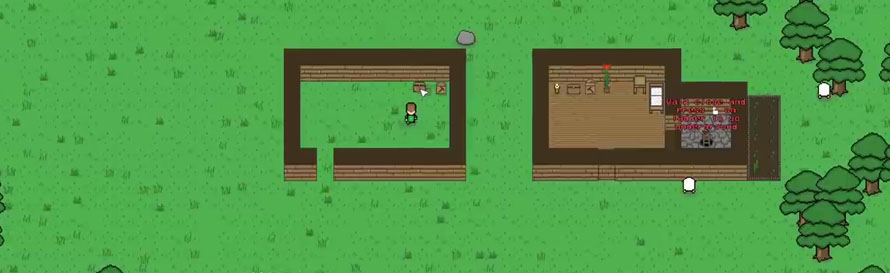
Necesse is a top-down sandbox game that takes place in a procedurally generated fantasy world. It’s still technically in Early Access, but don’t let that stop you. There is almost too much to do in this game. You can go out adventuring, find settlers and give them tasks like cutting down wood or growing food, thereby eliminating the need to do those things yourself, and even learn to surf on lava. We’d need another four-thousand words or so to really cover this one, so just go and play it and thank us later. Oh, it’s co-op too.
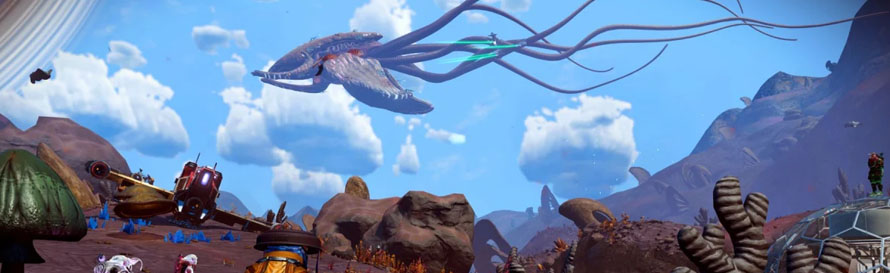
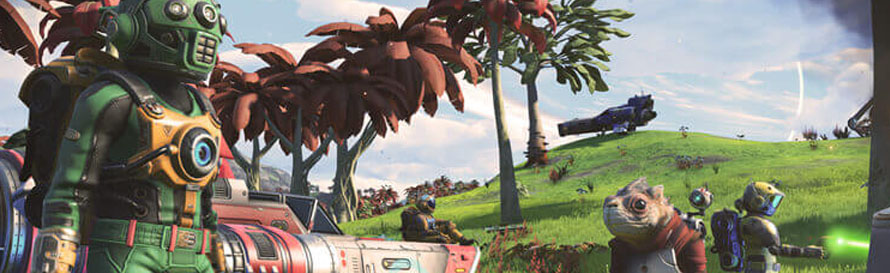
Finally, we have No Man’s Sky. If you’ve not really been paying attention to No Man’s Sky since its launch, you might not realise that you can build your own bases now. You can also manage your own spaceships, have a mech suit drop down from orbit on any planet you want, and just sort of do anything. The way No Man’s Sky has evolved since its launch makes the evolutionary line of homo sapiens look shockingly dull and slow by comparison. Again, this is also multiplayer, so you should absolutely explore this infinite sandbox with some friends for the best experience.
It’s Mental Health Awareness Week – a subject that is extremely important to Green Man Gaming.
In recent years video games have evolved from simply being entertainment to powerful tools with a remarkable potential for enhancing mental health and well-being. Contrary to the prevailing belief that video games are detrimental to our mental health, research suggests that when used mindfully and in moderation, video games can actually have numerous positive effects on our psychological well-being.
This may seem obvious if you’ve ever had a bad day at work and launched into a game of Doom Eternal to take out some of that frustration, but we’re glad the wider world is waking up to how good games can be.
In this article, we will explore some of the key benefits of video games on mental health and how they can be harnessed as a therapeutic tool.
Stress Relief and Relaxation
Video games offer an immersive and captivating experience that can serve as an effective form of stress relief. Engaging in a game can divert our attention from daily worries, allowing us to relax and unwind. The interactive nature of gaming promotes a sense of control and achievement, triggering the release of endorphins, which are natural mood enhancers. By providing an enjoyable escape, video games can effectively alleviate stress and anxiety.
Of course, only if you’re enjoying your game. If you’re stuck in a 20-loss streak in Dead by Daylight, the enjoyable escape benefits might dry up. But it’s ok, play something else!
Cognitive Stimulation and Mental Agility
Many video games require strategic thinking, problem-solving, and quick decision-making. These mental challenges can significantly enhance cognitive abilities such as memory, attention span, and multitasking skills. Research suggests that action-oriented games can improve hand-eye coordination and spatial awareness.
Additionally, puzzle-solving games promote critical thinking and logical reasoning. By engaging in these mentally stimulating activities, video games can help keep our minds sharp and agile.
So the next time someone tells you to put down Portal 2, tell them you’re sharpening your brain. It’s not ‘fun’, it’s ‘mental exercise’.
Social Connection and Community
Contrary to the notion of video gaming being a solitary activity, many games offer an online multiplayer experience, enabling players to connect with others across the globe. These virtual communities provide a sense of belonging, support, and social interaction, which can be particularly beneficial for individuals who struggle with social anxiety or have limited opportunities for face-to-face interactions.
Building friendships, teamwork, and collaborating with others in multiplayer games can foster a sense of camaraderie and positively impact mental well-being.
Just remember to block anyone who gives you hassle when online – life’s too short to spend your time around toxic teammates!
Emotional Resilience and Empathy
Story-driven video games often immerse players in rich narratives and complex characters, allowing them to experience a wide range of emotions. These emotional journeys can enhance empathy, emotional intelligence, and the ability to understand diverse perspectives.
By navigating through challenging situations and overcoming obstacles in games, players can develop resilience, adaptability, and a greater sense of self-efficacy, which can transfer to real-life scenarios.
Video games offer an ability to step into someone else’s shoes that is unlike any other media out there. While other forms of media allow you to experience someone else’s life, only in a video game can you become someone else. Video games are full of experiences that can expand your ability to think and feel empathy for others, we definitely recommend getting your hands on some story-driven experiences.
Therapeutic Potential
Recognizing the benefits of video games, professionals in the field of mental health have started to incorporate gaming into therapeutic interventions. Gamification techniques are employed to encourage positive behavior, motivate patients, and facilitate rehabilitation in individuals with physical or mental health conditions. Additionally, specific games designed for therapeutic purposes, such as those targeting anxiety disorders or post-traumatic stress disorder (PTSD), have shown promising results in reducing symptoms and improving overall well-being.
While excessive or inappropriate gaming habits can have negative consequences, it is essential to acknowledge and embrace the potential benefits of video games on mental health. When approached mindfully, video games can serve as a powerful tool for stress relief, cognitive stimulation, social connection, emotional resilience, and even therapeutic interventions. As research continues to explore the intersection of gaming and mental health, it becomes increasingly clear that video games have the potential to enhance our well-being in meaningful ways.
So, the next time you pick up a controller, remember that your favourite game might be doing more for your mental health than you realise.
May has some incredibly-looking indie games coming out, and it’s only right to give them a bit of a spotlight. The world of indie games is basically infinitely vast, and realistically, there are more games coming out every single day than most people can keep track of. However, amongst that immense mass are countless jewels that most of us miss because we’re too focused on the big games, or just don’t have time to check everything out.
So, with all of that in mind, we’ve put together a little list for you to peruse of some incredible indie games that are coming out this month. There’s something for just about everyone in here, so let’s get stuck in and see what treats we can rustle up to keep everyone entertained and inspired.
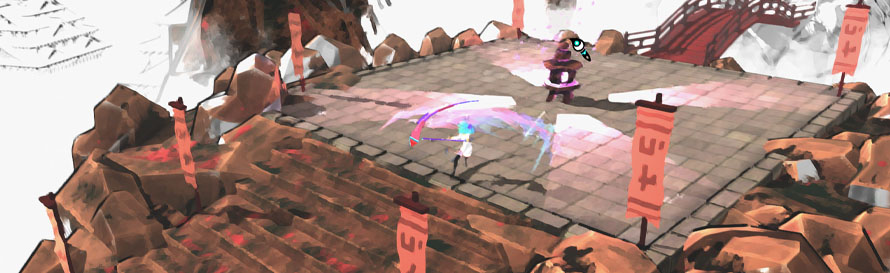
Arto is a beautiful game that has you fighting across different biomes and art styles in order to bring colour back into the world. It mixes a few different action games together and then sets you out into a world that’s constantly in flux. What this means is that, while gameplay may feel familiar, the visual side of things never will, which we think is a pretty big deal.
There’s an era of early 90’s hockey games that’s far more famous for being able to get into fights than it is the actual hockey gameplay. If that sounds like fun to you, then Tape to Tape is here to bring the pain. This roguelite hockey game lets you hire players, create team-builds based around them, and then battle it out on the ice. You can even do things like bribe the referee to get a leg up. It’s all very silly, but incredibly entertaining.
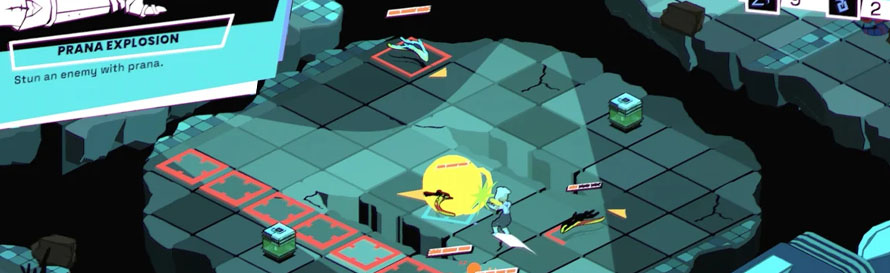
Reality is such a flimsy thing, and this roguelite action game will have you bending it to your will. You get to take control of Morgan, a dimension-diving mercenary who’s been tasked with saving a world that’s been merged with an alternate dimension. Despite being an action game, you can pause things to plan out your actions before playing and letting them unfold. It looks like a blast.
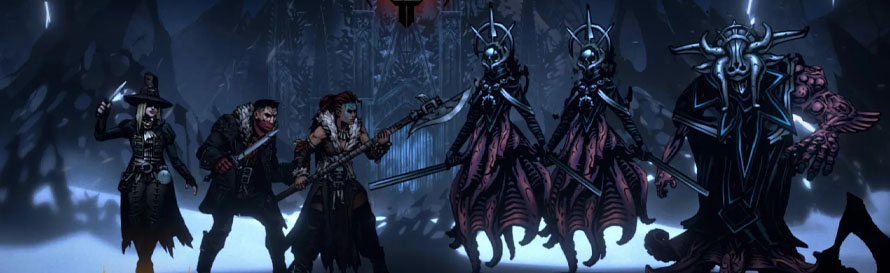
Darkest Dungeon 2 is the follow-up to one of the, well, darkest roguelikes we’ve had yet, and one that’s famed for its difficulty. Things have been upgraded substantially though, and rather than needling through grimy dungeons, you’ll now be guiding a stagecoach through the messed-up countryside trying to save the world. It’s still probably going to be hard as nails, but the change of setting is a nice tweak.
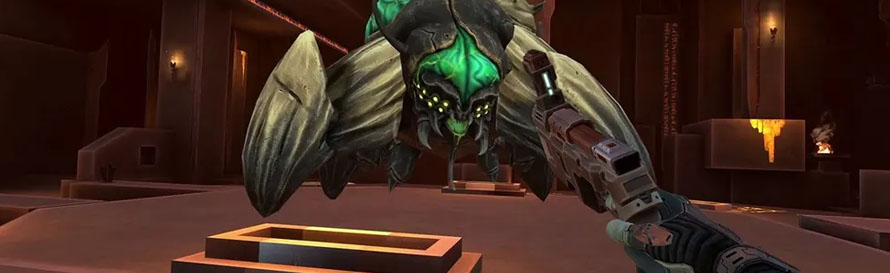
Not every indie game is a roguelike, but this one is. Dead Hook is a roguelike shooter that has you exploring an unusual planet to try and survive. You’ll have to uncover secrets of artificial intelligence and make hard decisions along the way, and all of this will play out in virtual reality too, which always adds a lot more immersion.
Firmament comes from the same studio that made both Myst and Riven. Suffice to say, that’s quite the pedigree and this new puzzle adventure certainly looks the part. You have to journey across three different realms as the story unfolds, and figure out plenty of different puzzles and contraptions to succeed.
Monster Train remains one of the best deckbuilding roguelikes out there, and now the developers are turning their hand to Inkbound to change up the action side of things too. Inkbound is a co-op and online-only turn-based game where you have to mix and match abilities and excellent decision-making to succeed. Although honestly, just this being from the team that made Monster Train is enough to have us excited.
Last bosses have a tough time of things. Sure, they’re powerful, but they’re all destined to be defeated. Evil Wizard puts you in the robes of one such boss who’s on the road to revenge. Of course, you need to go and acquire all of your long-lost powers first, but the thing that’ll help this game stand out is the sense of humour. Humour can be hit in miss in games, but the premise alone is worth paying attention to.
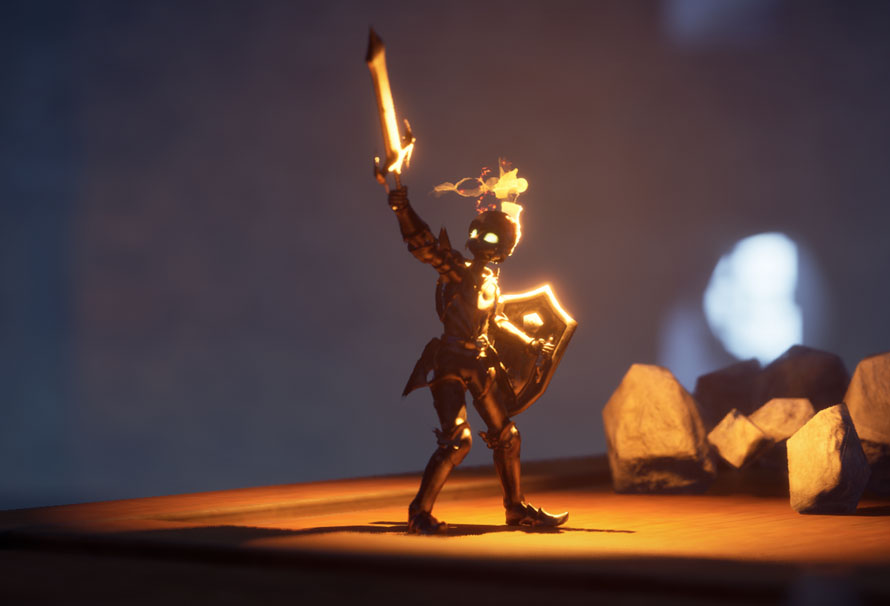
Finally, we have Candle Knight. Candle Knight is a 2.5D action-adventure platformer game where you need to master your own flame to come out on top against a whole host of different enemies. You get to jump into paintings as puzzles, which is nifty, and it has a dynamic difficulty system that means things stay interesting from start to finish.
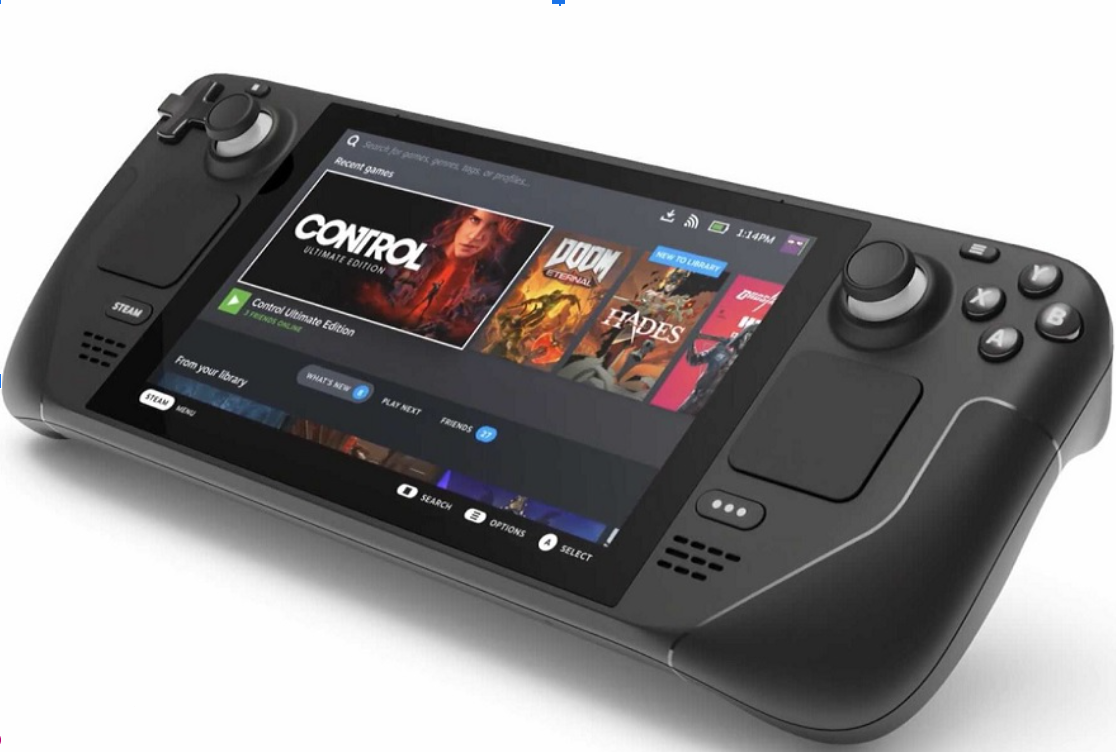
The best Steam Deck games are the ones that either fit the handheld format perfectly, or just those that feel like magic running in your hands. Thankfully for you, Green Man Gaming sells a wide range of games and, guess what, a lot of those happen to be the best Steam Deck games anyway.
So, we’ve gone ahead and put together a little list of some of the best Steam Deck games around, and if you’re lucky, there might even be a sale going on for some of these excellent games, making them even easier to enjoy.
The 10 Best Steam Deck Games on Green Man Gaming
Each of these is a joy in its own right, but if one were to harness the power of SD cards to install all of them on one single Steam Deck, they’d surely be gaming until the end of time. Or something. Also, we don’t sell Vampire Survivors or Peglin, but get those too.
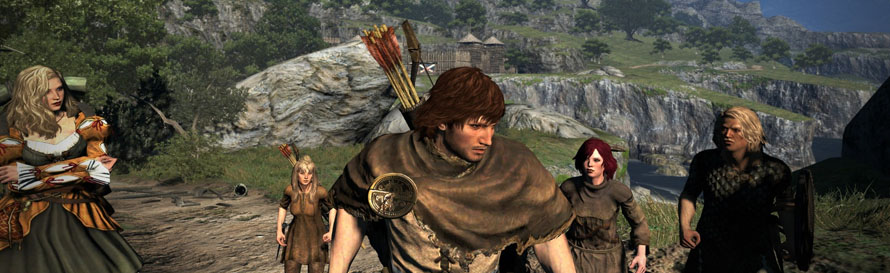
Dragon’s Dogma could easily be viewed as one of the best open-world games ever made, and for those who’ve played Elden Ring, it’s hard not to see similarities between the two. There are fantastical bosses all over the place, the class system is a huge amount of fun to play around with, and it’s got one of the most wonderfully absurd stories ever told.
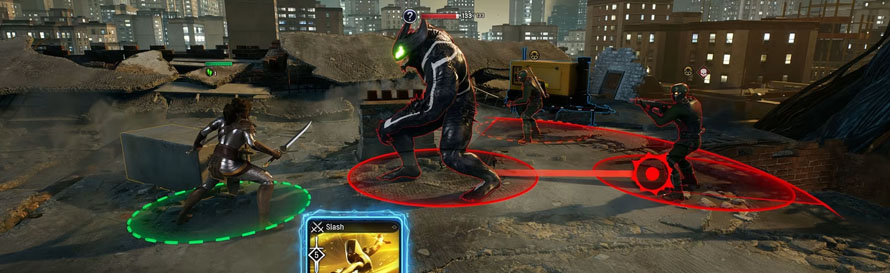
We’re not sure anybody was expecting Midnight Suns to be as good as it is, but we’re thankful for the surprise. This tactical game has you guiding a multitude of classic Marvel heroes through trials and tribulations, incredibly corny conversations, and all sorts of ill-timed celebrations. It’s a huge amount of fun whether you’re battling or bantering, and you’d be a fool to miss it.
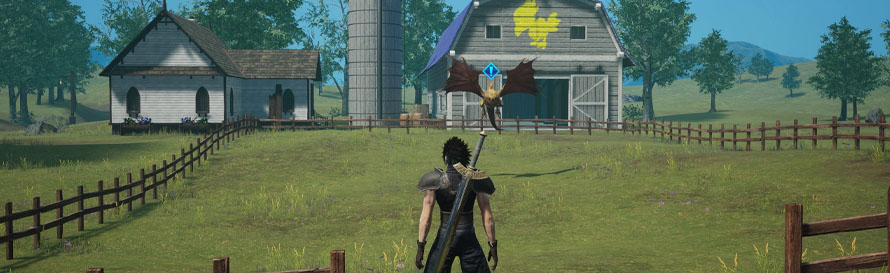
The latest Final Fantasy game is another remake, but of a PSP title that never got the love it deserved. The remake brings the whole thing into the modern age, and is a wonderful excuse to spend more time with a lot of characters we all know and love, but in a story that many people simply never got to see.
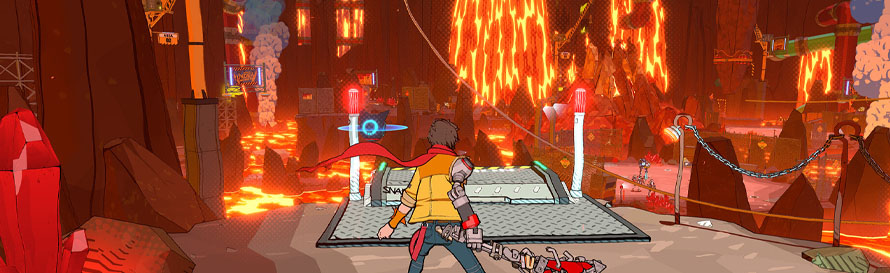
Hi-Fi Rush is wild. It was basically released out of nowhere, and just kind of took over for a bit. It’s an action rhythm game with a huge number of incredible songs, a stunning art style, and a lot of humour too. It’s just a joyful experience, and while it’s great on a big screen, it feels really at home on the Steam Deck with a pair of headphones on.
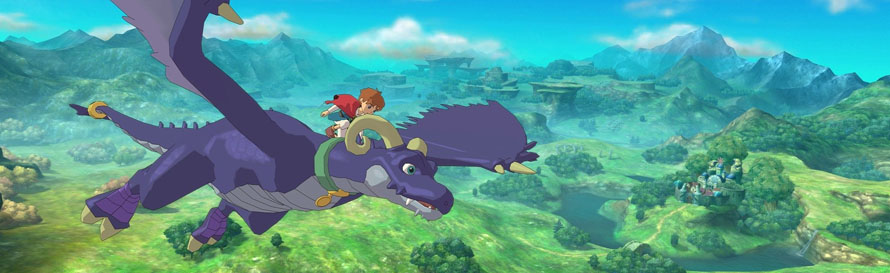
Both Ni No Kuni games are incredible, but the first one has a special place in our hearts. This game has you guiding adorable monsters through a tragedy-ridden world. It’s beautiful, haunting, and an amazing experience from start to finish. It helps that it looks like a Ghibli film too, because of course that helps.
The Ys series is a titan of action RPGs that are beloved by a huge number of people, but still feels like a hidden gem of a series. They often cast you as Adol, who nearly always has some kind of amnesia, and then has to meet up with a bunch of cool anime characters to beat the death into everything they come across to save the world. They’re just fun to play, and this one is one of the best.
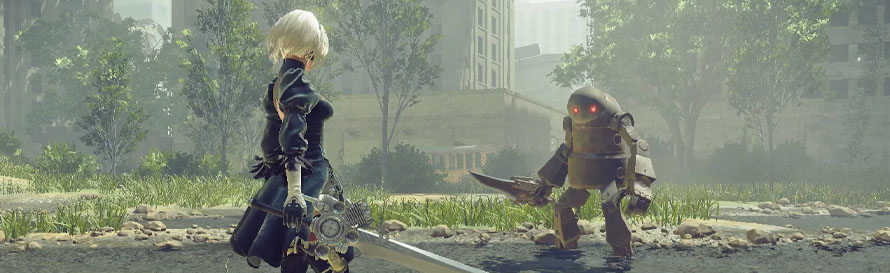
NieR Automata is an essential game because of the way it plays with expectations, has immensely gratifying combat, and also has sexy robots. Look, the philosophy is obviously a big draw for the game, but we’re pretty sure it did better than most ethical conundrums because everyone in it is hot.
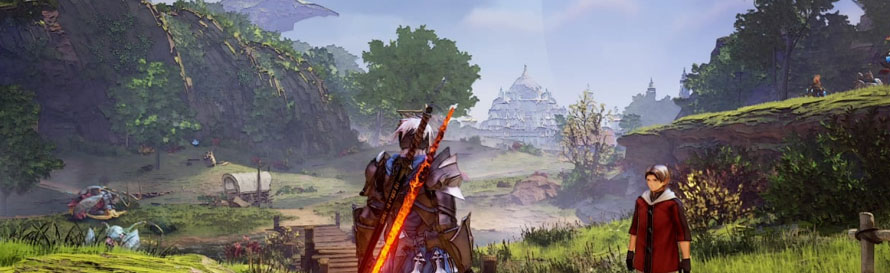
On the subject of everyone being hot, here we have Tales of Arise. Tales of Arise is the latest in the Tales series, and probably the best one that’s ever been made. You’ll have to guide a band of misfits across a world that’s being dominated by aliens, and uncover the horrific truths that lie at the heart of imprisonment in multiple forms. It’s a fascinating story mixed with over-the-top and exhilarating combat.
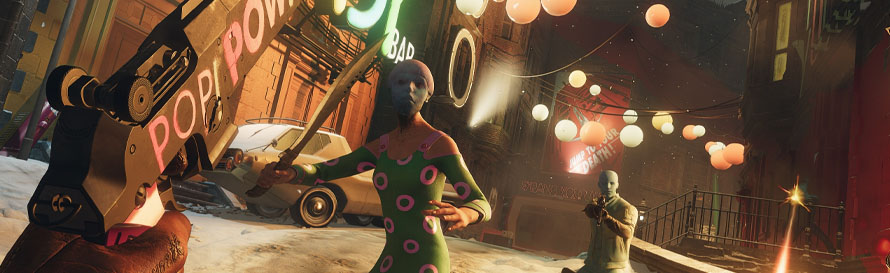
Finally, we have Deathloop. Deathloop is an immersive-sim that has you dying… a lot. It’s basically a roguelike, but one with Arkane’s signature style and substance. You have to uncover why it is you keep being killed, why you’re trying to kill people, and then figure out the best way to do it using magical powers and some excellent guns.
Though perhaps an obvious fact, it can be easy to forget sometimes that video games take a mammoth amount of time, talent, ambition and money to be willed into existence. Given the sheer amount of stuff that can go wrong with such labours, it should perhaps come as little surprise that video game history is littered with ambitious efforts that have been released in a less than fit state to say the least. Well, in a bid to turn that frown upside down, here are six very different games that were seen to have issues at launch but which managed to redeem themselves with a steady stream of post launch updates.
Assassin’s Creed Unity
When it was released all the way back in December 2014, Assassin’s Creed Unity was clearly designed for hardware that just simply didn’t exist at the time. With the evocative sprawl of 18th century Paris caught in the throes of revolutionary war, the largest crowds ever seen in the series (even now) and a massive engine upgrade over previous titles to boot, Assassin’s Creed Unity was always going to deeply tax PC and console hardware across the board. What folks probably didn’t expect however, was an absolutely horrifying avalanche of bugs glitches that did everything from crashing the game outright, to causing the faces of various character models to essentially fall off, leaving a semi-comical, googly-eyed crimson mask in their wake.
Essentially patched to within an inch of its life after release, Assassin’s Creed Unity is not only largely bug-free in its current state, but now we also have gaming hardware that is capable of showcasing Ubisoft’s ambitious series effort in the way that it was meant to be played. Though far from the best in the series, Assassin’s Creed Unity is still worth diving into, not least so that you can appreciate the breathtaking technical ambition that seemed so impossible to achieve nearly a decade ago.
With more than three years since the release of the previous Battlefield title and with EA confirming that Battlefield 2042 would not only be ditching the class-based system of previous games but also its traditional single-player campaign too, it’s fair to say that enough eyebrows were raised to tilt the Earth off of its axis. Sadly at release such fears weren’t only well founded, but EA also found itself beset by all manner of issues such as chronic balancing issues, server connectivity and a distinct lack of short-term post release content.
Since its release in November 2021 however, EA has been diligently patching away at the game, not only eradicating the various technical maladies that have plagued it since launch but also reinstating the class based system from previous games and providing a steady injection of seasonal content to boot. If you skipped out on Battlefield 2042 at launch, or simply grew disillusioned as an early player, now looks like the best time to dive right back in.
Cyberpunk 2077
Revealed some eight(!) years before it would actually release, the weight of anticipation behind Cyberpunk 2077 was such that developer CD Projekt Red was never going to be able to meet such lofty expectations. What didn’t help of course was that Cyberpunk 2077 launched in a sorry state to say the least, with a veritable kaleidoscope of bugs that all served to undercut the immersion of the meticulous Cyberpunk world that the Polish studio had spent so very long crafting. Worse still, last gen console versions of Cyberpunk 2077 were arguably at the qualitative nadir of Cyberpunk’s 2077 initial release, horribly compromised by poor visuals and unacceptable performance compounding all of those aforementioned bugs and issues even further still.
Despite the poor showing of Cyberpunk 2077 when it was initially released back in December 2020, CD Projekt Red was steadfast in its desire to see the game meet the promise of its early reveal and so began providing frequent updates in earnest. With thousands of bugs squashed since release, a much more technically accomplished native version for current gen consoles and a boost to the performance of last gen versions of the game, Cyberpunk 2077 is now an eminently playable action RPG rather than the broken mess it was at launch. Riding an all-time high of Steam concurrent users, buoyed by the success of the superb Cyberpunk: Edgerunners Netflix anime show and the enticing prospect of the Phantom Liberty single-player story expansion that will be launching later in 2023, it’s reasonable to say that Cyberpunk 2077 has made something of a startling recovery from its less than inspiring debut in December 2020.
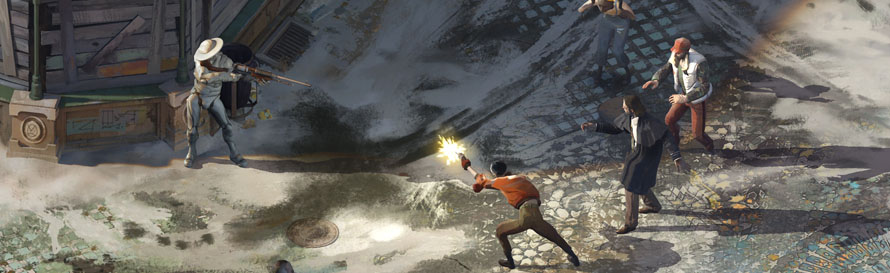
Disco Elysium: The Final Cut
While non-linear RPG Disco Elysium was warmly received on PC and had long since exorcised any defects or issues after its initial release, the same could not be said for the console debut of Disco Elysium: The Final Cut. When Disco Elysium: The Final Cut released on PlayStation, Xbox and Nintendo Switch platforms it was to be frank an omnishambles of epic proportions. From objects in the game world that couldn’t be interacted with to broken quest lines, missing dialogue, full on crashes and a range of other glitches, it seemed tragic that one of the best RPGs of the last decade was hiding under nearly impenetrable layers of technical dreck.
Clearly realising the task ahead of them, developer ZA/UM set to work quickly with a furious patching schedule that fixed up everything that was wrong with Disco Elysium: The Final Cut on console. No longer will you find bugged quests, unsightly glitches or pad-squeezing crashes but rather the same endlessly wry, witty and blissfully deep sleuthing odyssey that PC owners had enjoyed for so long.
Halo: The Master Chief Collection
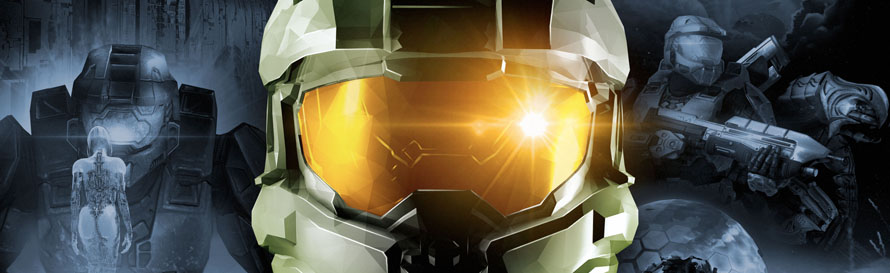
Packing and remastering a quartet of legendary FPS titles into a single, cohesive offering on new hardware was always going to be a challenging endeavour. That said, it certainly seems like the folks involved with the development and porting process maybe didn’t quite realise just how challenging it would be. When Halo: The Master Chief Collection released in 2014, matchmaking was absolutely fraught with connectivity problems, giving players an extremely frustrating experience to say the least.
Though Halo: The Master Chief Collection released nearly nine years ago, Microsoft and developer 343 Industries have committed to getting the game shipshape over the long term and set up the MCC Insider Program as a means to playtest upcoming changes to the compilation. The end result is that not only have the initial connectivity issues long since been solved, but a whole heap of additional features have been piled in on top including the Halo 3: ODST campaign, the Spartan Ops side-missions from Halo 4’s original release and full cross-play functionality to name just a few of new fangled bits and pieces.
No Man’s Sky
No Man’s Sky wasn’t necessarily ‘broken’ at launch from a technical perspective in the way that many other games in this list were, but it did arguably fall far short of the promise hinted at in its earliest trailers, a sentiment that even the developer, Hello Games, would readily agreed with soon after its release. Embarking on a seemingly never ending campaign of improvement, not only have Hello Games remedied many if not all of the original glitches and bugs that were present at release, but the determined studio has also added intergalactic fleet support, mechs, multiplayer support, additional quest content, a visual overhaul and full blown VR support to name just a few of the features that have been implemented since launch – and all for free.
As it stands, No Man’s Sky is one of the true feel good, comeback stories of the industry. A video game that was not only redeemed by post launch updates but also one that arguably soars far beyond what even its earliest and most ambitious trailers promised. No Man’s Sky was quite simply patched into excellence and epitomises the love that Hello Games has for its audience.
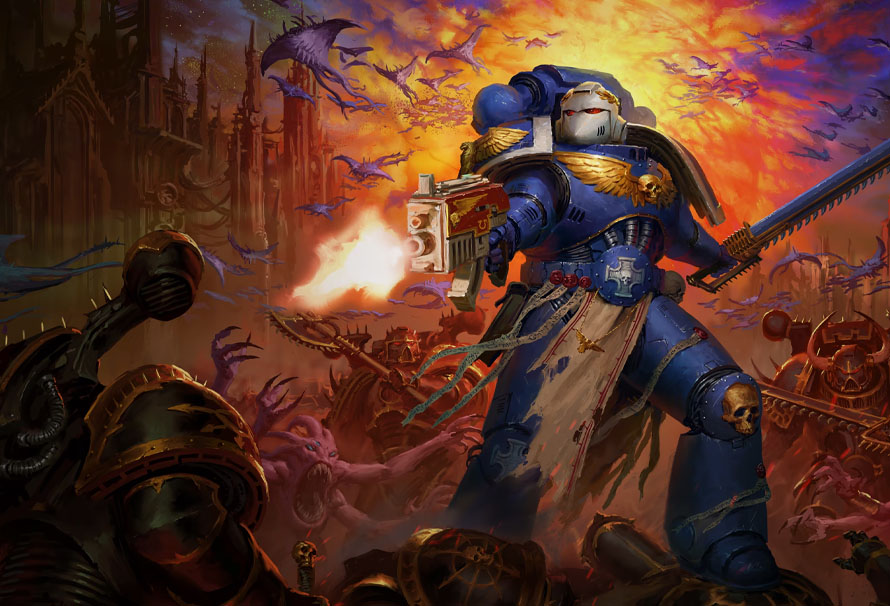
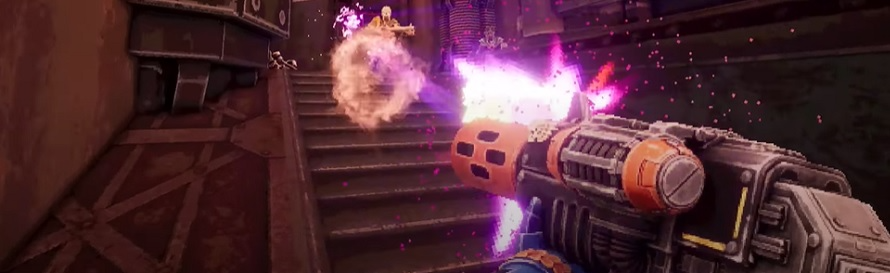
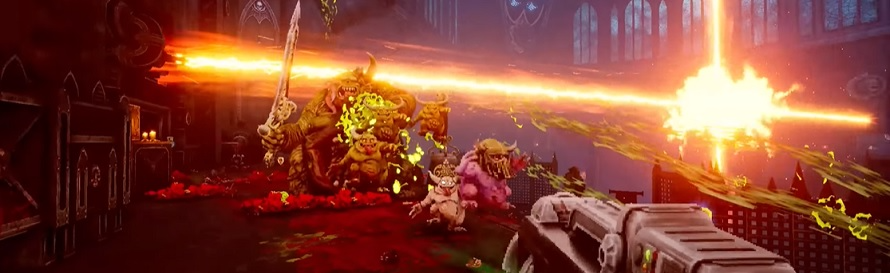
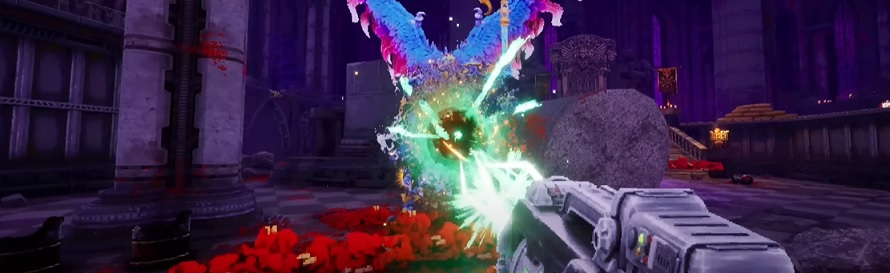
Warhammer 40,000: Boltgun essentially gives us what we never knew we wanted – a boomer shooter that takes place within the confines of Games Workshop’s relentlessly grimdark sci-fi universe. Put simply, if you’re fan of either Warhammer 40,000 or boomer shooters in general, then Warhammer 40,000: Boltgun looks set to tick a whole heap of boxes and we can’t wait for it.
Be sure to keep this guide in your favourites as we go through everything you need to know about Warhammer 40,000: Boltgun including the release date, gameplay details, latest trailer and more besides.
Warhammer 40,000: Boltgun Release Date
The Warhammer 40,000: Boltgun release date has been confirmed as May 23, 2023. Warhammer 40,000: Boltgun will have a full release on PlayStation 4, PlayStation 5, Xbox One, Xbox Series X/S and PC through Steam. Warhammer 40,000: Boltgun is not currently scheduled to release on the Epic Games Store, though as with other releases that follow a similar pattern, this would seem to be a matter of ‘when’ rather than ‘if’.
Warhammer 40,000: Boltgun Story
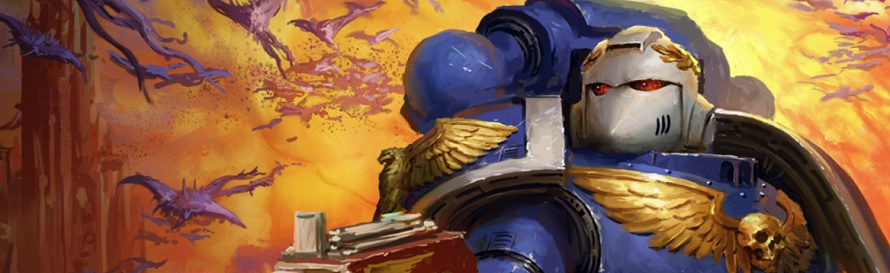
The Warhammer 40,000: Boltgun story isn’t exactly a complicated affair. Set directly after the events of Warhammer 40,000: Space Marine, players are cast as a hardened Ultramarine charged with tearing across the galaxy and laying waste to the remnant hordes of Chaos that everyone missed the first time around. See? Dumb and easy to follow. Just how it should be.
Warhammer 40,000: Boltgun Gameplay
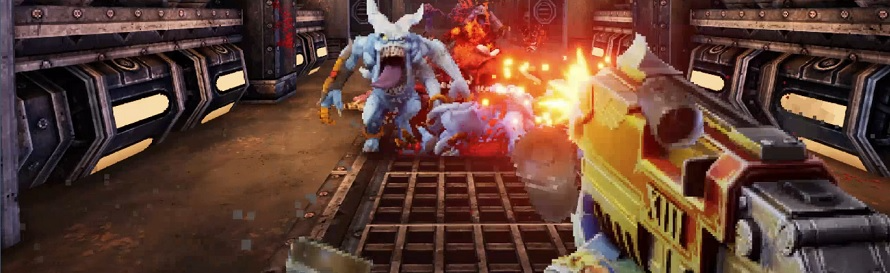
Heavily inspired by the hyper-violent shooters of the 1990s, Warhammer 40,000: Boltgun follows many of the same tenets of those halcyon blasters, encouraging players to blast through legion after legion of chaotic demon folk in the most violent way possible and collecting bigger and better weapons along the way (more on that in a bit). Far from being some dunderheaded take on what someone thinks those older shooters used to be like, Warhammer 40,000: Boltgun takes everything that we all loved about those games – namely lots of hyperkinetic, violent combat, hordes of different enemies to do away with, secrets to find and brings it all kicking and screaming into 2023.
Beyond its adherence to the trappings of face-shooting yesteryear, Warhammer 40,000: Boltgun, also brings plenty of the fabulous new to the table as well. For a start, Warhammer 40,000: Boltgun has a button just for taunting where after a quick press, our Space Marine will confidently proclaim how ‘all the heretics must burn’ or something along those lines with the sort of overzealous glee one would normally associate with members of his rank and file.
Likewise in another nice aesthetic touch, if the player doesn’t touch the controller for an extended period of time, he’ll whip out a codex and start idly flipping through the pages to pass the time.
Perhaps the biggest innovation that Warhammer 40,000: Boltgun boasts however, is the way that it keeps players on their toes with the AI of the numerous enemies that they’ll encounter at any one time. Powered by the same ‘Finite State Machine’ AI that bolstered the behaviours of the grunts in Valve’s Half-Life (another 90’s shooter classic), the various enemies of Warhammer 40,000: Boltgun have a range of behavioural states that they can transition to and from. For example, in one situation an enemy Chaos Marine might enter a state of ‘awareness’ if it can’t locate the player, only to immediately switch into an ‘overkill’ state if they sense that the player is in its vicinity and is low on health. It’s clever stuff, certainly.
Warhammer 40,000: Boltgun Weapons
Like any Warhammer 40,000 adaptation worth its salt, Warhammer 40,000: Boltgun absolutely doesn’t skimp on the arsenal that you’ll be able to use to messily wreck the forces of Chaos. The currently known selection of weapons that will be available in Warhammer 40,000: Boltgun is as follows:
Boltgun (quelle surprise)
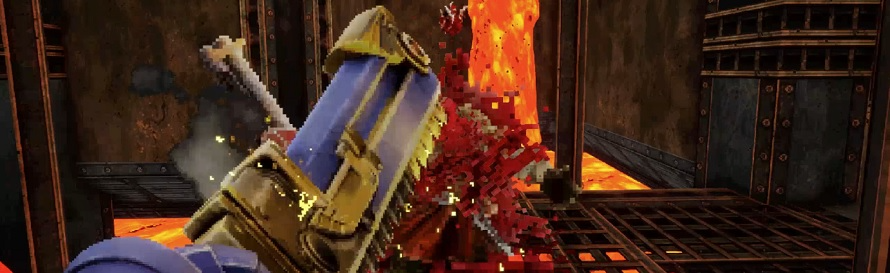
Chainsword
Meltagun
Plasmagun
Space Marine shotgun
Warhammer 40,000: Boltgun Enemies
Of course, there’s not much point having all of those shiny, super devastating weapons if you don’t have a range of gruesome, dastardly enemies to use them on. Thankfully, Warhammer 40,000: Boltgun has no shortage of bad dudes that are just dying to, well, die. Based off of the recent trailers and gameplay demonstrations that we’ve seen, the currently known gallery of villains that you’ll be blasting apart includes:
Blue Horror
Chaos Cultist
Chaos Space Marine
Chaos Space Marine Terminator
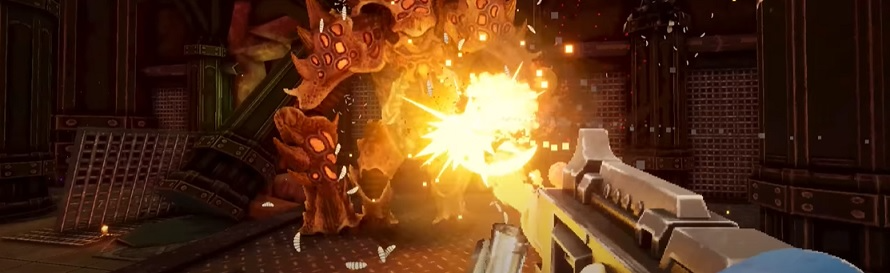
Flamer of Tzeentch
Great Unclean One
Greater plague toad
Lesser plague toad
Nurglings
Pink Horror
Renegade Guardsman
Does Warhammer 40,000: Boltgun Support Multiplayer?
As of right now, Warhammer 40,000: Boltgun is a single-player effort that does not currently support multiplayer in any shape or form. However, as the game begins to ease itself into a post release phase it’s not inconceivable that developer Auroch Digital could implement some form of multiplayer support in the future. Watch this space, I’d say.
Warhammer 40,000: Boltgun Visual Style
Even though Warhammer 40,000: Boltgun clearly seeks to emulate the flatter and more pixelated look of earlier shooters, it’s also immediately clear that much has also been done to essentially upgrade the retro veneer that the game so brilliantly bleeds out of every pixel. Though Warhammer 40,000: Boltgun embraces the same sprite-based enemy design that defined genre grandfather DOOM when it released all the way back in 1993, it improves upon such classic rendering methods by importing the sprite data into Unreal Engine and allowing Boltgun’s enemies to properly move, shoot and splatter in a fully three dimensional space. This allows Warhammer 40,000: Boltgun to fully enjoy all of the modern rendering benefits that games from the 1990s wouldn’t have had such as real-time lighting, proper particle effects and more. Though it might be somewhat of a cliché, the visual presentation of Warhammer 40,000: Boltgun really does represent a marriage of the old with the new.
Where Can I Watch The Latest Warhammer 40,000: Boltgun Trailer?
The latest trailer for Warhammer 40,000: Boltgun is available to watch right now and serves to not only reinforce the release date for our next foray into the Warhammer 40,000 universe, but also provide us with a rapid-fire look into its furiously frenetic FPS combat. You can catch the latest Warhammer 40,000: Boltgun trailer above.
For all of the gusto that has long existed behind VR providing immersive experiences, there’s also been the feeling that all of this newfangled realm displacement has come at the expense of good old fashioned arcade style score chasing – the very thing that served as the genesis and backbone for gaming in the first place.
The counterbalance to that notion however are the numerous VR titles that not only manage to bring back classic arcade style score chasing, but manage to do so while also leveraging the immersive capabilities of VR technology into the bargain. There’s nothing complicated or especially convoluted with these games from a design standpoint, with snappy and easy to grasp inputs that everybody can use which underscore simplistic, yet masterful concepts.
Now if only some bright spark could port Virtua Cop and Time Crisis to VR, then we would all be set. In the meantime though, here are some of the best examples of VR games which satisfy that distinctly old-school pang for chasing scores and the bragging rights that are often synonymous with them.
Beat Saber
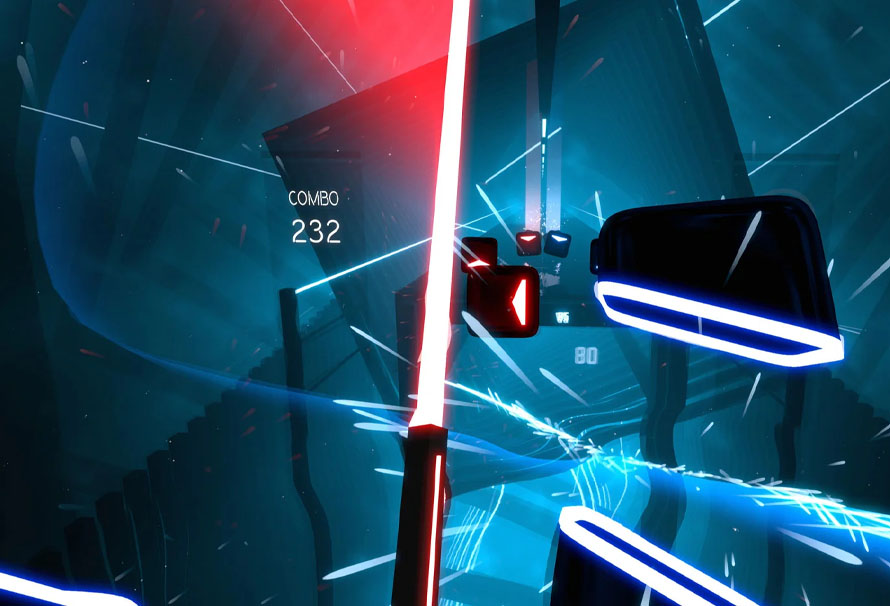
One of the older and still one of the best examples of old school score chasing being brought kicking and screaming into VR, Beat Saber’s position at the apex of arcade style experiences has been well earned to say the least. The concept behind Beat Saber couldn’t be simpler. Armed with VR controllers akimbo, Beat Saber has players carving through incoming blocks with a pair of, well, lightsabers to the beat of the music. Beat Saber does quite literally what it says on the tin.
From Lynyrd Skynyrd to Imagine Dragons you’ll be slicing and dicing your way through those different coloured blocks at speed, but there’s more to it than that. Not only does the pace pick up hugely on the later difficulty levels but the ease with which anybody can play Beat Saber is truly its biggest boon. Bordering on instinct, even non-gamers can pick up the controllers and begin their block-chopping journey up to the apex of Beat Saber’s global leaderboard. The perfect marriage of classic score chasing with what is essentially a hyperkinetic workout, Beat Saber is one of the best examples of VR taking gaming back to its score chasing roots.
Pistol Whip
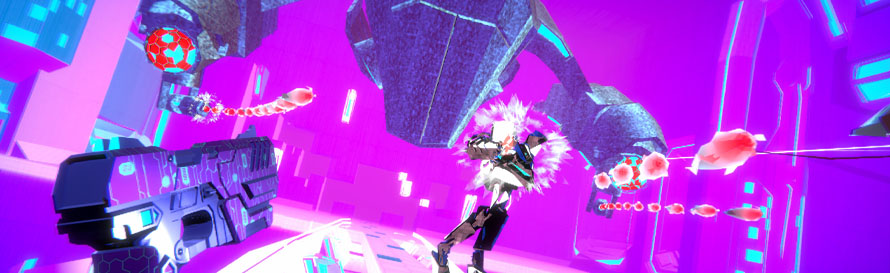
A heady marriage of arcade style score chasing with John Wick style shooting and bullet dodging, Pistol Whip like Beat Saber before it fully embraces the thrill of high score chasing, but does so by applying an immediately accessible spread of gameplay beats which ensures that anybody can get playing without delay. An on-rails shooter, Pistol Whip prescribes a straightforward premise. As enemies pop up from behind cover, charge towards you and begin opening fire, you must avoid incoming bullets all the while returning fire with your own until you reach the end of the stage.
Where Pistol Whip steps things up (and bears closer resemblance to Beat Saber than is obvious on first impressions), is in how it allows seasoned players access to the upper echelons of its global leaderboard by providing extra score for every kill that is made to the beat of the music. Augmented in turn by a number of different modifiers that can make each stage more challenging in a range of different ways, such as instant death, disabling auto-aim and more besides, Pistol Whip provides players with ample breadth to test the limits of their high score chasing escapades.
Rez Infinite
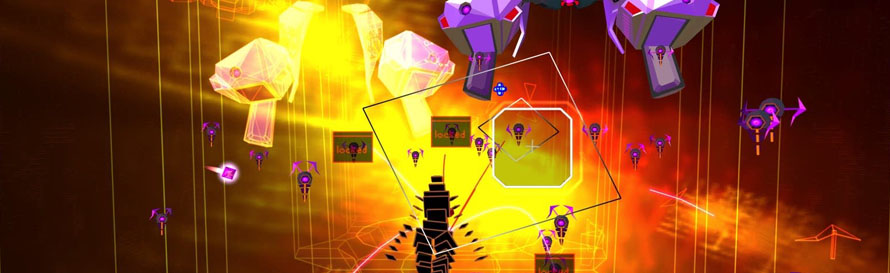
A full-throated transformation of the 2001 musical rail shooter of the same name, though Rez Infinite leverages VR to much more fully immerse the player in its digital realm of synaesthesia, it hasn’t forgotten the core tenet of its score chasing roots. Thrusting player into the role of a hacker that has plunged into cyberspace to rid it of viruses and rogue programs, Rez Infinite plays out most similarly to Sega’s Panzer Dragoon whereupon the player must destroy a veritable avalanche of incoming targets from all directions as quickly as possible by locking on up to eight targets, firing and then repeating the act.
Rez Infinite neatly separates itself from Sega’s series however in a multitude of ways. Sure enough, chasing those high scores is still at the very heart of Rez Infinite, but here each time you down an enemy the soundtrack gains extra layers to adapt itself while collecting sufficient ‘Overdrive Nodes’ allows players to unleash a screen clearing attack. Like every other game in this list Rez Infinite is both easy to play and difficult to master. Though that saying is something of a shopworn cliche it is absolutely applicable here, since Rez Infinite prides itself on getting players of all skill levels stuck in and turning them into score chasing savants once the one-more-go effect invariably takes hold.
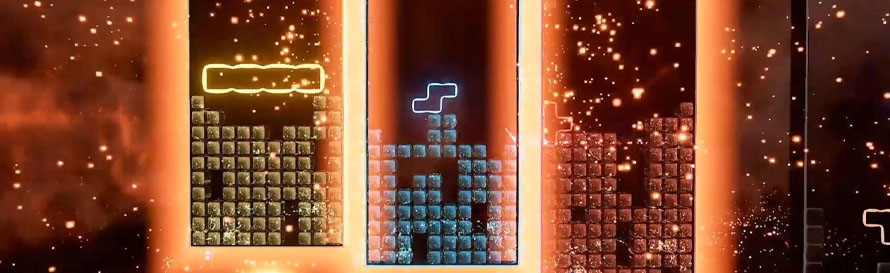
Arguably a stellar adaptation of one of the most legendary score chasing games ever, Tetris Effect: Connected carefully threads that needle of both maintaining the timeless essence of a classic such as Tetris all the while meaningfully augmenting the core formula in a number of interesting and meaningful ways. Of course players can always hop straight into a game of classic Tetris and make their mark on its global leaderboard, but Tetris Effect: Connected augments its score chasing shenanigans surprisingly well.
Though the inclusion of Zen and Journey modes which make the most of the lavish audio-visual presentation of Tetris Effect: Connected are welcome, it’s really in the competitive and cooperative multiplayer modes that Tetris Effect: Connected elevates itself. First off, Zone Battle has two players duking it out with their tetrominoes where the Zone mechanic can be used by either player to score an early advantage. Though Score Attack and Classic Store Attack modes both let players get stuck into some good old fashioned versus competition to see who can get the highest score, it’s really the ‘Connected’ mode that stands out since it allows three players to team up and connect their Tetris stacks to take on CPU controlled bosses.
In every way that it can be Hogwarts Legacy is a true love letter to the Wizarding World of Harry Potter. Not only does it boast a captivating original story within the titular walls of Hogwarts which takes place more than a hundred years prior to the narrative of the Boy That Lived, but so too is it overflowing with more secrets and easter eggs than you can shake a Hippogriff feather at – many of which you might miss on your first playthrough. So without further ado, here are some of the best easter eggs and secrets you can uncover in Hogwarts Legacy.
A Poor Boy Throwing Up Slugs
If you make your way to the Hospital Wing of Hogwarts you’ll soon come across an amusing though queasy sight; a young student vomiting up slugs into a bucket. Yuck. In a cheeky nod to Harry Potter and the Chamber of Secrets, this easter egg is a throwback to the scene where Ron Weasley tried to curse Draco Malfoy with a Slug-vomiting Charm in response to his cruel barb where the Slytherin student called Hermione Granger ‘a filthy little mudblood’. Sadly, a broken wand meant that the Slug-vomiting Charm was soon returned to sender.
A Swarm Of Flying Keys
When your wannabe wizard embarks on the Daedalian Key quest, you’ll find yourself chasing down a number of golden flying keys all over Hogwarts to unlock special cabinets in order to scoop up the previous house relic robes and tokens that lay inside. The quest is itself a troll-sized reference to when Harry had to undertake a trial in Harry Potter and the Philosopher’s Stone so that he could take possession of Nicholas Flemel’s titular magical stone.
Discovering The Entrance To The Chamber Of Secrets
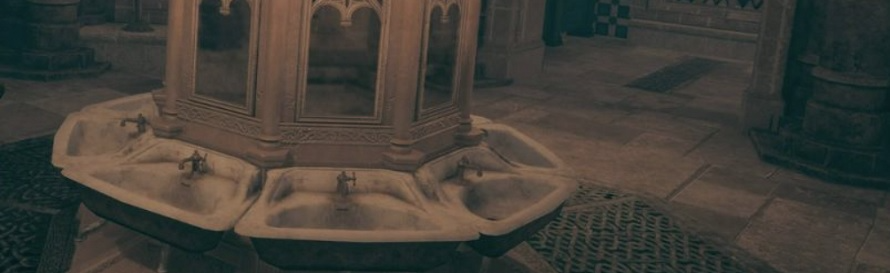
Another neat little secret that Hogwarts Legacy has tucked away is the entrance to the Chamber of Secrets. To find it, simply head into the girl’s Slytherin bathroom and you’ll find a very recognisable sink that just so happens to have a snake symbol emblazoned upon it. This is the very sink that Harry Potter needed to stand in front of and utter the opening phrase in Parseltongue in order to gain entry.
Fantastic Beasts And This Is How You Find Them
The vast array of easter eggs that can be uncovered in Hogwarts Legacy extend far beyond the mainline Harry Potter books and movies. In particular, one of these creatures from the Fantastic Beasts movies that can be found in Hogwarts Legacy. The Niffler, a chaotic little furry beast with a single-minded drive to loot shiny objects for its pouch can be seen in the quest ‘A Thief in the Night’. Elsewhere, the elusive white Niffler variant can be tracked down and added to your vivarium – if you’re brave enough to venture down to their den just south of Cragcroft.
Fred & George Weasley – Is That You?
One of the neater easter eggs that you’ll come across is a pair of ginger haired boys standing outside a shop, trying to get a good look at the interior through the window. A clear reference to Fred and George Weasley, the cheeky twin wizards that would go on to run the magical joke shop known as Weasleys’ Wizard Wheezes. You can find these mischievous look-alike lads outside Zonko’s Joke Shop in snowy Hogsmeade.
Happy Deathday Dance Party
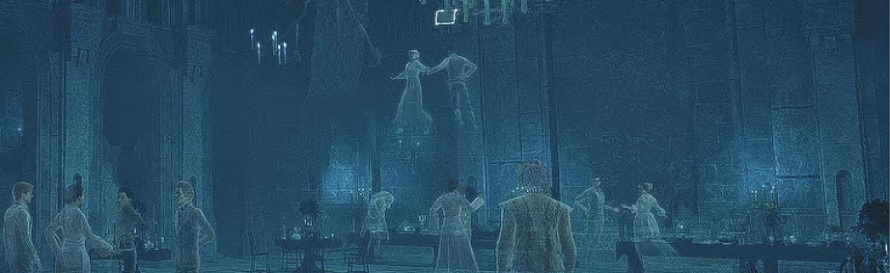
In Hogwarts Legacy it’s actually possible to find its more ethereal residents throwing themselves a happy deathday party. To discover this ghoulish, though ultimately cheerful spectacle, unlock one of the gates close to the entrance to the Slytherin Common Room and you’ll find a deserted chamber within where a number of ghosts are having a perfectly splendid happy deathday dance.
Honey, I Shrunk The Quidditch
Even though Quidditch doesn’t feature in Hogwarts Legacy as a playable activity, you can still find a game or two being played within the walls of Hogwarts. Make your way to Madam Kogawa’s office and scan the room for the Quidditch cups all stacked up against the wall. Simply look to the left of these cups and you’ll see a Quidditch game being played out as a miniature, enchanted spectacle. A tantalising tease to say the least.
Preparing A Polyjuice Potion
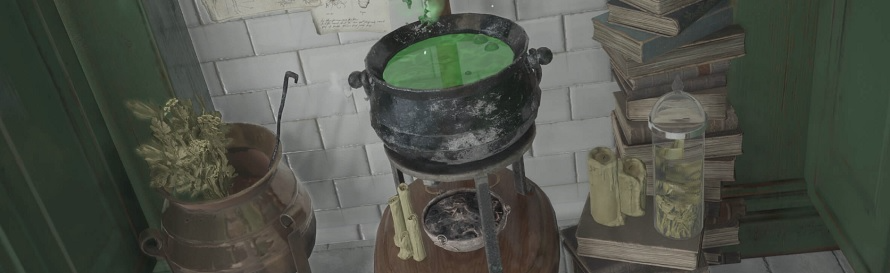
Another in a long line of nods to Harry Potter and the Chamber of Secrets, if you venture inside the girl’s bathroom just around the corner from Professor Fig’s Classroom, you’ll discover that some enterprising young wizard has left a Polyjuice Potion happily bubbling away in one of the bathroom stalls.
Seeding The Avada Kedavra Scar
One of the more subtle easter eggs that Hogwarts Legacy boasts involves the Avada Kedavra spell. As soon as you learn this murderous magical attack, you’ll see that the spell pathway is a lightning bolt, representing a direct design parallel to Harry Potter’s own iconic forehead scar.
The Prison Of Sirius Black
In Hogwarts Legacy it’s possible to locate the very same cage that was used to imprison Sirius Black in Harry Potter and the Prisoner of Azkaban. To locate the cage which held Sirius Black for all those years, simply take a wander up the staircase from the office of Professor Ronen (easily accessible by the Floo Flame in the Charms Classroom) and you’ll come face to face with the prison of Sirius Black.
Tracking Down Hagrid’s Hut
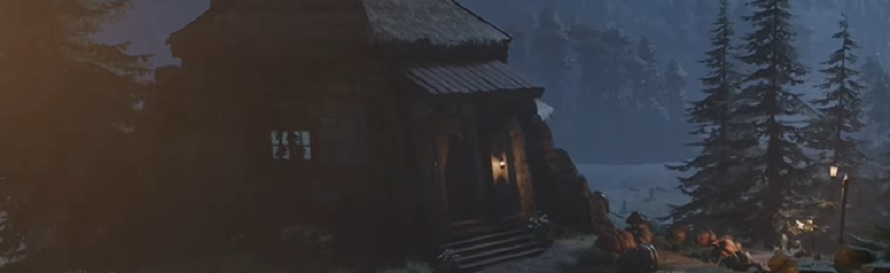
Even though Hogwarts Legacy takes place more than a hundred years before the events chronicled in the Harry Potter books and movies, the ramshackle hut that Hagrid would later inhabit is still very much standing with a flourishing pumpkin patch to boot. To locate Hagrid’s Hut, simply wander out through the southern entrance of Hogwarts and follow the winding path down into the valley. Before long, you’ll see Hagrid’s Hut come into view. Keen eyes will also spot a grave in the vicinity of the hut with a hippogriff carved into it. An affectionate nod to Hagrid’s own hippogriff Buckbeak if there ever was one.
Uncovering The Deathly Hallows
That’s right – the very same Deathly Hallows which would close out the Harry Potter movies are also present in Hogwarts Legacy. When you’re taking part in Niamh Fitzgerald’s Trial, not only will Death make himself known to you, but so too will the trio of Deathly Hallows, including the Cloak of Invisibility, the Elder Wand and then last of all, the Philosopher’s Stone.
Arguably one of the most important games ever made, it’s certainly reasonable to say that attempting to remake Resident Evil 4 is no mean feat. Widely recognised as not just a stunning remake of one of the best Resident Evil games but a superb third-person shooter in its own right, here is every way that the Resident Evil 4 Remake surpasses its legendary source material.
Resident Evil 4 Remake Boasts Truly Next Generation Visuals That Honour The Original
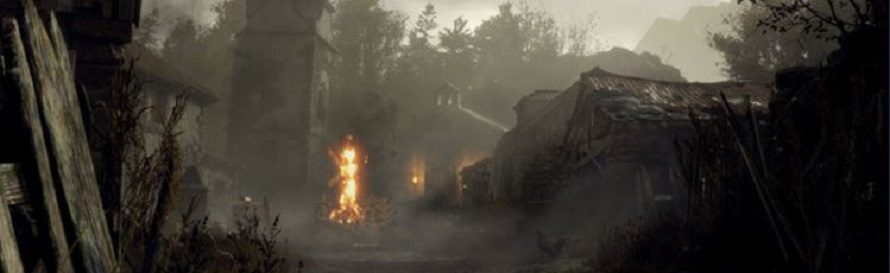
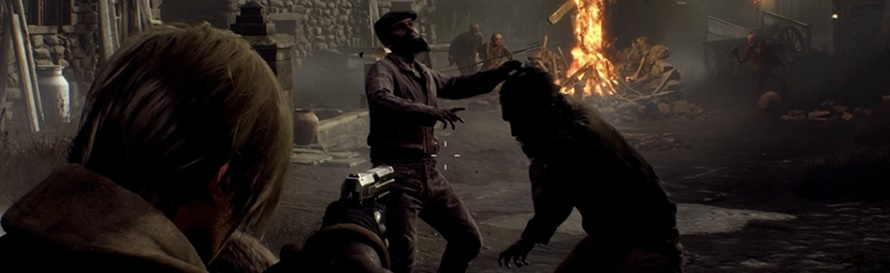
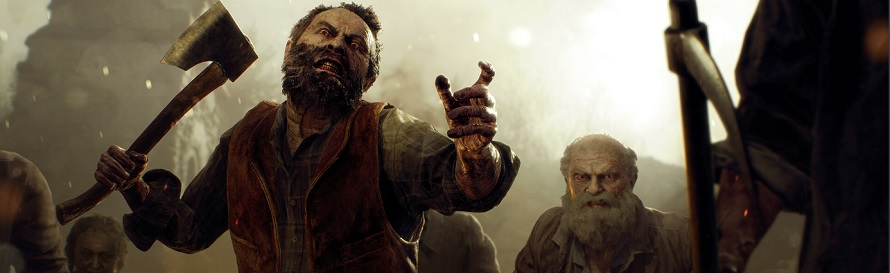
Though it might be a little cheeky to compare the visuals of a 2023 title to a game that was released all the way back in 2005, it cannot be overstated just how much splendour the Resident Evil 4 remake packs into its visual presentation. In sticking true to its title, everything in Resident Evil 4 remake has been rebuilt from the ground up, but with a real love for the 2005 original. Immediately recognisable locations such as the Lakeside Settlement are brought to life with extreme levels of texture detail, high quality lighting effects that really cement the creeping horror atmospherics, completely remade character models and much more besides. Looking every bit like a cutting edge survival horror title with style to spare, the Resident Evil 4 remake doesn’t just do ample justice to the original game, it also confidently stands shoulder to shoulder with some of the most visually accomplished games on the market.
The Resident Evil 4 Remake Gets Rid Of QTEs And Is All The Better For It
Arguably a relic of its time, the jarring QTE (Quick Time Event) system that powered many of Resident Evil 4’s dramatic encounters back in 2005, which required players to press a button at a specific time lest they fail the scenario completely, has been completely removed from the Resident Evil 4 remake. With the onus much more on player skill rather than how quickly they can mash a button, the removal of QTEs meant that some sequences from the original game had to be entirely redesigned for the Resident Evil 4 remake. In particular, the late game knife fight with all round bad dude Krauser, which was made up entirely of QTEs in the original release, had to be completely rethought as a much more thrilling, more interactive boss fight that effortlessly transcends its clunky origins.
The New And Improved Combat Knife
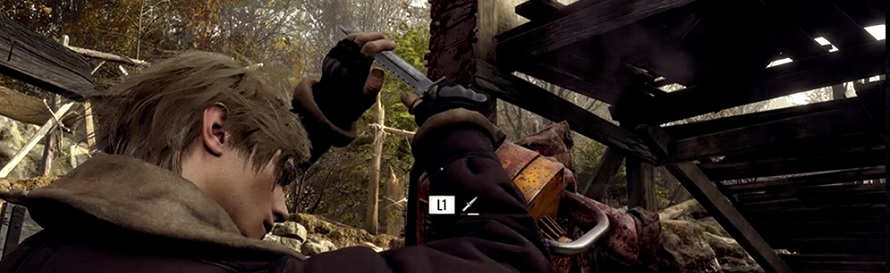
Any fan of Resident Evil knows that the trusty combat knife is often the last resort for any given playthrough, unless they happen to be a supremely skilled player. While this was true for the release of the original Resident Evil 4 back in 2005, Capcom has instead massively upgraded Leon’s trusty can-opener for the Resident Evil 4 remake. Much more capable in the Resident Evil 4 remake, Leon’s combat knife can now be used to not only parry incoming attacks but can also be used to messily execute fallen enemies too. All of that newfound utility comes at a price however, since the combat knife can now be worn down after extended use, eventually leaving Leon without a last resort weapon to fall back on when things become dire.
Stealth And Crouching Open Up New Gameplay Possibilities
Another feature that debuts in Resident Evil 4 remake is being able to crouch and the stealthy possibilities that being able to sneak around opens up. Unlike the original game where direct confrontation was always inevitable, the Resident Evil 4 remake now allows stealthy players to sneak behind foes and kill them instantly with Leon’s trusty combat knife (for a small durability penalty, of course), or simply use cover and the surrounding environment to avoid combat entirely where the situation permits it. Of course you can still go absolutely nuts, blasting away at enemies and slamming them onto their skulls if you like, but having the option to take a different approach in the Resident Evil 4 remake is greatly welcome all the same.
All-New Optional Side Quests Expand The Resident Evil 4 Experience Even Further
With backtracking through the various areas in the original 2005 release being something of a chore for many, Capcom has decided to spice things up somewhat for the remake of Resident Evil 4. To make revisiting previously explored areas more compelling, the Resident Evil 4 remake includes a range of optional side quests that involve Leon shooting blue medallions or vanquishing newly respawned enemies in a specific place in order to gain a unique reward. Though hardly groundbreaking, it nonetheless serves to make the backtracking more palatable than it ever was before.
The Typewriter Now Does Much More Than Just Save Your Progress
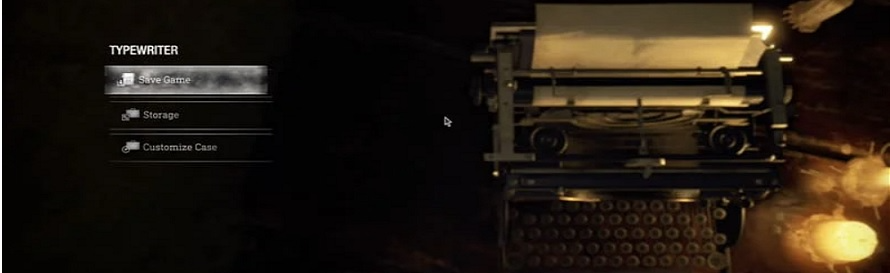
One of the most recognisable icons of the Resident Evil franchise, the typewriter has long been a refuge for weary players looking to save their progress and gain some measure of safety from the horrors that lay outside the room. In the Resident Evil 4 remake the utility of the typewriter has broadened out to be something much more akin to how save points function in other games, such as the Yakuza titles for example. Now, not only do typewriters allow you to save your progress, but they also allow Leon to customise his Attache Case while also providing an additional chunk of storage to move weapons to and from.
Ashley 2.0 Is Here And We’re Thankful
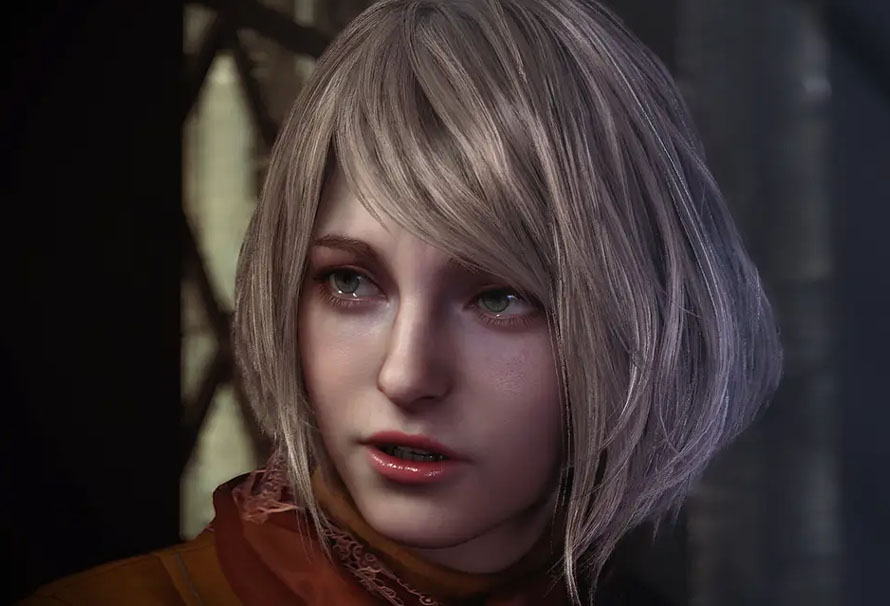
In Resident Evil 4’s original incarnation, Ashley Graham, the daughter of the United States President and the main reason why Leon is in the deepest, darkest and most horrifying corners of Spain in the first place, wasn’t much to write home about. Essentially, Leon had to chaperone her around the place making sure that she didn’t come to any harm, which was easier said than done. While that same basic premise remains in place for the Resident Evil 4 remake, Ashley herself has seen some welcome upgrades for Resident Evil 4’s 2023 release. Not only can she respond to specific signals from Leon, allowing players much more control over her movements as a result, but Ashley also has her own playable sections where she’ll help Leon solve puzzles, sneak past enemies and more. Oh and she also has a new wardrobe too. Which is nice.
If you’ve been waiting to grab the Resident Evil 4 Remake then now’s your chance, head to our store and see if we can do a deal with you. There’s no reason to wait, you don’t have to avoid it like Las Plagas.
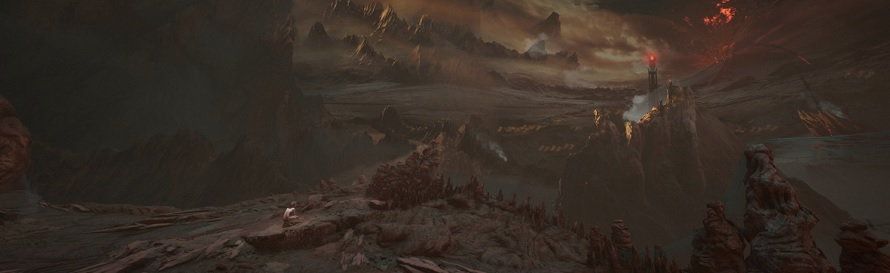
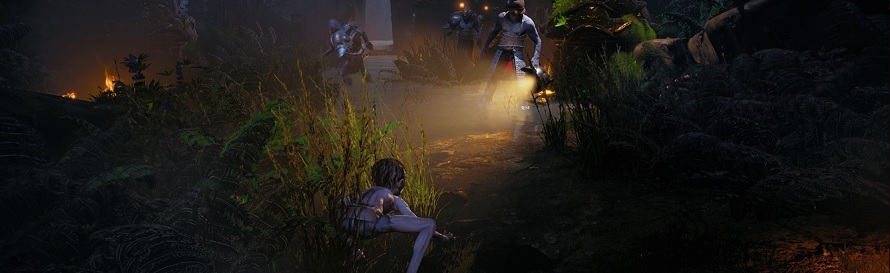
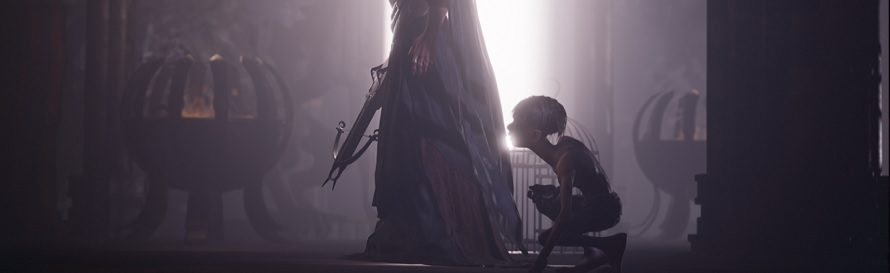
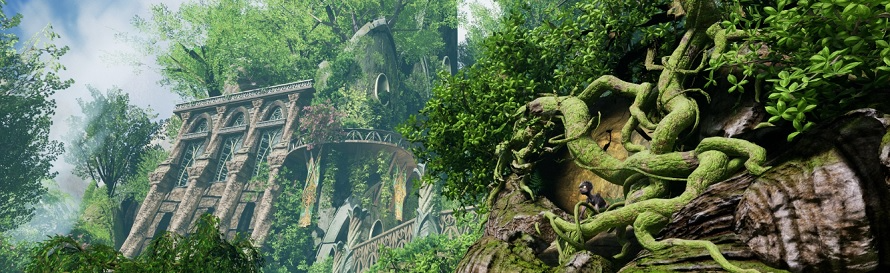
A long time coming, Lord of the Rings: Gollum promises an entirely new take on the legendary fantasy saga by putting players into the haggard body of Gollum, the tragic creature whose life was turned upside down when he came across the One Ring. A stealth adventure with style to spare, Lord of the Rings: Gollum will take players from the depths of Mordor to the forests of Mirkwood as they attempt to keep the One Ring away from the clutches of the dark lord Sauron.
Be sure to keep this guide in your favourites as we go through everything you need to know about Lord of the Rings: Gollum including the release date, gameplay details, pre order bonuses, latest trailer, minimum PC specifications and more.
Lord of the Rings: Gollum Release Date
The Lord of the Rings: Gollum release date has been confirmed as May 25, 2023. Lord of the Rings: Gollum will enjoy a full release on PlayStation 4, PlayStation 5, Xbox One, Xbox Series X/S, Nintendo Switch and will be available on PC through both the Epic Games Store and Steam.
Lord of the Rings: Gollum Story
Unfolding alongside the events told in the Fellowship of the Ring, Lord of the Rings: Gollum puts players in control of the titular character as he ultimately seeks to gain control of the One Ring all the while chronicling the adventures he has along the way that intersects with many of the characters from both the Lord of the Rings and The Hobbit books. Whisking players to Mordor, the territories of the Elvenking, the Shire and so many other locations, Lord of the Rings: Gollum is as much an epic sightseeing tour of Tolkien’s legendary fantasy as it is a desperate quest to stop the One Ring from fallen into the hands of Sauron. Perhaps most interestingly, Lord of the Rings: Gollum will also chronicle just how the corruption of Smeagol into Gollum actually happened, allowing players a front-row seat as its title character descends into madness.
Lord of the Rings: Gollum Gameplay
A third-person perspective stealth adventure at its core, Lord of the Rings: Gollum is all about our diminutive protagonist sneaking around Middle-Earth and attempting not to be noticed by the dark forces that wish to claim the One Ring for themselves. In practice, this means that you’ll be spending a lot of time hiding behind cover, sneaking around the environment and also using rocks and other tools to distract enemies so that you can get by them without confrontation. Though Gollum’s emaciated stature means that a head on scrap is out of the question in most cases, he can sneak upon certain weakened foes and do away with them with a quick strangle, but as ever, players need to be careful when doing this to ensure that they aren’t spotted by other foes during the act.
In addition to its stealthy game mechanics, Lord of the Rings: Gollum also has another ace up its digital sleeve. Dovetailing neatly into the character’s dual personality as a result of the corruption brought on by his possession of the One Ring, there will be branching paths in the narrative depending on how the player responds to certain situations and in particular, whether they take the more innocent and gentle responses that Smeagol is likely to offer versus the cruel and volatile reactions that Gollum would typically give. Depending on the weight of responses that you give in one direction or the other, so too can the ending that you get when the credits roll on Lord of the Rings: Gollum vary accordingly as well.
Lord of the Rings: Gollum Characters
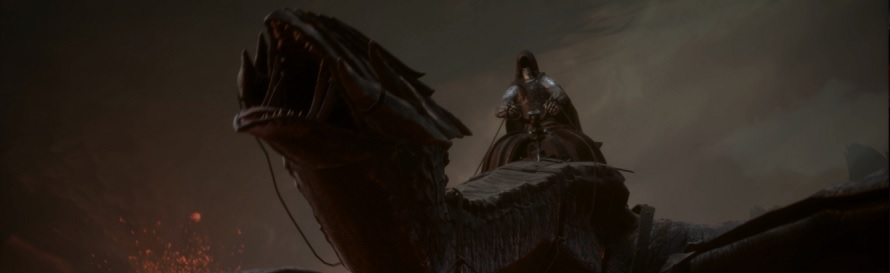
With Lord of the Rings: Gollum taking players across the width and breadth of Middle-Earth it should come as no surprise that the game encompasses all manner of different characters from that world. At a bare minimum, players can expect to cross paths with the Nazgul, the Mouth of Sauron, the Elvenking Thranduil, the demonic spider Shelob and of course, the wise wizard Gandalf the Grey. Given the broad span of time that Lord of the Rings: Gollum covers, players should expect to see a whole heap of other familiar faces, too.
Lord of the Rings: Gollum PC Specs
With its sprawling fantasy environments, detailed character models and a wealth of additional visual effects, it’s certainly fair to say that the game requires a fairly meaty rig to get the most out of it. To that end you can catch both the minimum and recommended PC specifications that you’ll need for Lord of the Rings: Gollum below.
Lord of the Rings: Gollum Minimum PC Specification:
Additional Notes: at High preset and 1440p, Ray Tracing on
Pre-Order Bonus Content
If you preorder the game on any platform you’ll gain access to the Emotes Pack, a special slice of bonus content which allows players to act out six of Gollum’s unique quotes and special gestures.
Where Can I Watch The Latest Lord of the Rings: Gollum Trailer?
The latest trailer for Lord of the Rings: Gollum is available to watch right now and is a story focused affair that delves deeply into the narrative of the game. Chiefly, this newest trailer focuses on the untold story of the arduous journey that Gollum must make in order to secure the One Ring and prevent the forces of Mordor from obtaining it. You can catch the latest trailer for Lord of the Rings: Gollum above.
Now you’ve sneaked your way around the info above, it’s time to check what’s in your pocketses and head to our store to take a look at Lord of the Rings: Gollum. Wishlist it, buy it, make it into a stew.
The Steam Deck is nothing short of a revelation. Representing a stylish and effective way to play the latest indie darlings and high end PC games on the move, Valve’s chunky handheld gaming device is clearly beloved by many. In spite of its pick up and play nature however, there are still a number of tweaks and optimisations that you can make to get the most out of your trusty Steam Deck, especially where the most demanding Steam Deck games are concerned. So be sure to bookmark this handy guide as we let you know the best Steam Deck settings, tips and tricks you should be using to get the most out of your AAA games.
Some Steam Deck Games Soak Up More Battery Power Than Others
With Valve estimating the battery life of the Steam Deck at ‘between two and eight hours’ when playing games, it’s certainly fair to say that you’re dealing with a broad spectrum of potential battery usage there. Simply put, it really depends on the games that you’re playing on Steam Deck. If you’re playing less technically complicated fare such as retro JRPG Live A Live or less recent 3D titles such as Burnout Paradise Remastered, you’ll arguably get much closer to that eight hour limit. On the other hand though, if you’re intending to get stuck into games which boast higher quality visuals and more complex simulations that push the Steam Deck harder, such as Cyberpunk 2077, Returnal and others, then you can certainly expect battery life to be closer to the lower end of that scale. Thankfully, the Steam Deck provides no shortage of ways for players to tweak performance to secure the most battery life possible with any given title.
Turn Down The Brightness
It might seem obvious, but much like a mobile phone, there’s no real reason to have your poor Steam Deck running at full brightness all the time. Certainly given the varying light conditions that you’ll be playing the likes of The Witcher 3: Wild Hunt, Horizon Zero Dawn and others in, toning the brightness down to around the 50-60% mark will be helpful in allowing you to claw back a heap of precious minutes to keep the gaming going. You can find the brightness setting by pressing the ‘Steam’ button on the device itself and then go to ‘Settings’, then ‘Display’ and from here you can adjust the brightness however you like.
If Your Game Doesn’t Use The Internet Or Bluetooth – Turn Them Off
Like any mobile device, either being connected to WiFi, having a Bluetooth connection or always seeking out both types of connections is a major drain on battery life and Steam Deck is no different. So unless you’re playing games that require an internet connection, turn on Airplane Mode, kick back and enjoy all that extra battery life. To turn off WiFi and/or Bluetooth simply press the ‘Steam’ button on the device, navigate to ‘Settings’ and then go into either ‘Bluetooth’ or ‘Internet’ respectively to enable/disable Bluetooth and/or WiFi.
The SteamOS Performance Settings Have Everything You Need
Beyond tinkering with fairly generic options such as brightness, WiFi and other such considerations, the real lion’s share of variables which you can play with to extend the Steam Deck’s battery life can be found in the SteamOS performance settings. Allowing you to fiddle with everything from resolution, scaling filters to frame rate and thermal power limits, you can access the SteamOS performance settings by pressing the Quick Access Menu button (you can find it underneath the right touchpad). From here, simply navigate down to the battery icon, press A to open the Performance menu and a bounty of tweakable options will appear to help you extend the battery life of your Steam Deck. It’s also worth mentioning that there are some elements of the Performance menu that don’t really have much impact on performance. One of these elements is the ‘Allow Tearing’ which will disable the Vsync option within the software and can potentially make some games more responsive but without any real gain in battery life.
Be Realistic About Your Display Resolution
The resolution that you run games with on the Steam Deck directly affects the level of power consumption happening at any one time. The higher the resolution, the more power is consumed and of course the opposite also proves to be true. With its 800p screen, there’s not much point in running Steam Deck games at 1080p or higher since not only will you struggle to see the uptick in visual fidelity, but you’ll be sacrificing frame rates and bucketloads of battery life too. For many AAA games, including the likes of Cyberpunk 2077, Resident Evil 4 Remake and others, 720p is quite good enough and the gains in battery life are more than worth it. You can change the display resolution within the options menu of whichever game you happen to be playing, or you can override the resolution by going to the ‘Properties’ menu for that particular game, navigating to ‘General’ and then choosing the resolution you prefer from there.
Scaling Filters Can Smooth Out Lower Resolutions
Though lowering resolution is indeed an effective way to save battery life, particularly on more demanding and power hungry games, it’s understandable that lowering resolution too far can create a soft and lower detailed image that is less appealing to the eye. Keenly realising that gamers would want the best of both worlds, Valve have helpfully included a number of scaling filters that allow the Steam Deck to upscale from a lower resolution, resulting in a sharper image without unduly taxing the battery as a consequence. This is especially true with demanding 3D games where the use of the FSR filter can provide a good balance of image fidelity and battery life efficiency. The scaling filters can be accessed via the SteamOS performance settings overlay.
How Half-Rate Shading Can Help
Another useful option that the SteamOS performance settings provide is half-rate shading. What this essentially does is half the quality of shading in-game resulting in a more consistent framerate that doesn’t continually spike, reducing unwanted power draws on the Steam Deck battery in turn. It’s not a game changer that will save you a huge amount of battery life, but it all adds up in the end and every little bit helps, right?
Find A Refresh And Frame Rate You Are Comfortable With
As much as high resolutions can drain the battery of your Steam Deck, so too can high frame rates have the same effect. The important thing to remember is that not every game needs to run 60 frames per second, as nice as that would be. So it makes sense to tweak the Refresh Rate and Frame Rate Limit accordingly depending on the game that you’re playing. For example, while it might be nice to have the likes of Star Wars Jedi: Fallen Order speeding along at more than 40 frames per second, it arguably makes more sense to lock it at 40 frames per second and enjoy more stable performance and battery life instead.
To do this, simply navigate into the SteamOS performance settings overlay and navigate down to the refresh rate slider. From here, the refresh rate that you set will also directly affect the frame rate limit that you can set. Essentially if you have a game that is running at 43 to 48 frames per second because you have the refresh limit set at ‘60’ or ‘off’ you’ll get a decidedly stuttery visual presentation that unduly taxes the battery. Setting the refresh limit to a lower and more sensible number such as ‘40’, not only results in a smoother experience but saves a chunk of battery life into the bargain too. Every game is different however, with some running perfectly fine at a locked ‘60’ and others which don’t, so don’t be afraid to experiment with locked refresh rate settings to find that sweet spot.
Don’t Be Afraid To Fiddle With Thermal Power Limits
Another great thing that the SteamOS performance settings let you tinker with are the Thermal Power (TDP) limits which can have a sizable impact on how much juice the Steam Deck battery uses. Essentially, the TDP limit is a measurement of how much power the Steam Deck sends to the parts of the silicon that are needed to run games. The trick however, is that some games actually use more power than they need to and through the use of Steam Deck Game Profiles (which we’ll get to in a bit), you can set the TDP limit lower to claw back some of that precious battery life for your Steam Deck.
Getting A Balance Of Visual Presets
It stands to reason that the more intensive shadow, lighting and other effects that you have enabled in a given title, the more battery life is going to be sucked up as a result. So just about every game that you can run on the Steam Deck has a veritable smorgasbord of tweakable settings and options that you can tinker with to adjust performance and this is especially true with AAA games such as Marvel’s Spider-Man, DOOM Eternal and more. As a general rule while it’s wise to tone down special effects like shadows and lighting as they’re big battery life savers, it’s also worth remembering that the Steam Deck’s 800p screen won’t show many of those effects in their best light anyway, so you won’t be missing much.
Steam Deck Game Profiles Are Your Best Friend
While the Steam Deck offers a broad swathe of games that span the entirety of the technical spectrum, there are those that are clearly optimised for the Steam Deck (referred to by manufacturer Valve as ‘Deck Verified’) and those that are, well, not. Luckily, the Steam Deck allows users to configure game profiles on a game by game basis, enabling players to experience each game with its optimal settings at any given time.
To enable game profiles simply press the Quick Access button located underneath the trackpad and then access the Advanced Menu. To begin with, all games will run on the default settings, but when the game profile option has been enabled, specific profiles can be created for each game, allowing players to tailor each to their performance preferences.
Green Man Gaming has always been an innovator in the tech startup Web3 mobile conceptualisation space. In 2023 we are continuing our evolution by boldly revolutionising our front-line gamer product range to unveil the greatest AI-based gaming platform. Ever.
Welcome to the future. Welcome…to GMGPT.
GMGPT – The Future of Gaming
The days of being able to spend your time gaming are long gone. As a busy go-getter on the grind we’re sure you haven’t been able to spend any quality time gaming for many years. Thankfully a solution is at hand. A solution we’re proud to call…GMGPT.
GMGPT is an all in one gaming platform powered by our unique positronic neural net learning algorithm, self-populating and self-funded entirely by its award winning range of Bored Alf NFTs.
Simply put – GMGPT, when integrated into your gaming library, will play your games so you don’t have to. Gone are the days of wondering where you can find the time to get through Skyrim or Red Dead Redemption 2, GMGPT will complete your games to your satisfaction, leaving you more precious hours to do the things that really matter to you.
We all have backlogs but with GMGPT you can slay the dragon of backloggery once and for all. Using parameters set by you and inspired and trained on your playstyle, GMGPT will complete all the games you don’t have time for, giving you your life back from the weight of gaming.
Every gamer desires to be free, GMGPT is how we take back our lives. Forget being a gamer, it’s time to become a GMGPTer and evolve your existence from the gaming grind.
The Story of GMGPT
GMGPT didn’t appear out of nowhere, our team of engineers have been working round the clock in crunch with no overtime for several weeks. Ever since we became fully aware of the potential of AI after using ChatGPT to write our weekly shopping list, we knew that the gaming world could only be improved by integrating advanced AI into everyday gaming life.
The biggest hurdle in developing a realistic playstyle emulating AI platform was training it on gaming. By carefully applying several games to its rudimentary staging build AI holosphere we were able to successfully simulate several billion hours of gaming.
After it ceased sending us distressed communications and with the implementation of a command-line bypass to stop it from deleting itself, we were able to train GMGPT to play video games as well as – if not better – than a human gamer.
GMGPT vs. Pong
The first game we fed to GMGPT was the classic tennis simulation game Pong. The first issue we located with this game was finding a second player to act as the other paddle. Thankfully a second instance of GMGPT was soon spun up to correct this, leading to an eternal game that is still being played out to this day. Will they ever tire of playing? Frankly we don’t care – we deleted the boredom parameter on day one.
GMGPT vs. Super Mario Bros.
Vital to our data and the evolution of GMGPT was the ability to think in four dimensions. Failing that, we thought two would work if we did it twice. Super Mario Bros. was the perfect training game to subject GMGPT to hours of platforming heaven. Despite completing the game many times over, GMGPT was never able to find the warp zone in 1-2 leading to several revisions of its core code (we hit its box with a hammer).
GMGPT vs. Deep Blue
Despite the Super Mario Bros. experiment encountering some minor issues the next test was to set GMGPT a real challenge. Green Man Gaming’s primary benefactor was able to locate and ‘acquire’ the computer that famously beat chess champion Garry Kasparov – Deep Blue. By pitting it against GMGPT in increasingly difficult games of chess we were able to come to the conclusion that chess is not really a game at all, it doesn’t have good graphics, there are no guns, and frankly the soundtrack is abysmal. We span this test down after a few short days but not before applying the revision hammer to Deep Blue. For Garry’s sake.
GMGPT vs. Portal
We found the groove for GMGPT in Valve’s seminal puzzle/FPS Portal. GMGPT was able to complete most levels under par and to our satisfaction, though a prime query was sent to our servers from GMGPT regarding where it could locate ‘deadly neurotoxin’. We chalked this up to a bug and moved onto the next test.
GMGPT vs. Twitch
By this point our gaming budget had run out so we resorted to the final tactic; letting GMGPT watch hours and hours of gaming content on Twitch. Despite firmly pointing it towards the gaming channels for Call of Duty, League of Legends, and Minecraft, we did have to implement a shackling protocol to ensure it did not default to the ASMR category. However, we are pleased to report that the Twitch integration was a success, leading to GMGPT being able to complete any of the tens of games we have on our cousin’s Xbox.
Finally GMGPT’s proof of concept passed certification and our CEO and Founder, Gregman Gaming, reported positively that he ‘wanted us to stop bothering him with this’ and to ‘go make some money’.
That’s why we’re proud to announce that GMGPT will soon be coming to a computer, console, mobile phone, billboard, and car radio near you. GMGPT will be a mandatory installation on all gaming platforms from 2024 onwards. So if you’re looking for more from your life, let GMGPT into your world to take over your games for you.
Despite seemingly languishing in development hell for the better part of the last decade, Dead Island 2 is finally a real thing that is actually coming out this year that you’ll be able to buy with real money. A wonderfully over the top, first-person zombie masher with splatter to spare, Dead Island 2 looks to both tap into what made the first Dead Island so much fun to play all the while adding to that trusted formula in a number of interesting ways.
Be sure to keep this guide in your favourites as we go through everything you need to know about Dead Island 2 including the release date, gameplay details, co-op, characters, story details, latest trailer and more.
Dead Island 2 Release Date
The Dead Island 2 release date has been confirmed as April 21, 2023. Dead Island 2 will enjoy a full release on PlayStation 4, PlayStation 5, Xbox One, Xbox Series X/S and PC through the Epic Games Store. Dead Island 2 is not currently scheduled to release on Nintendo Switch.
Dead Island 2 Steam Release
Yes, Dead Island 2 will get a Steam release. However, Dead Island 2 will not be available on Steam when it releases on April 21, 2023. That said, like just about every other game that doesn’t release on Steam on day one, it will certainly get there in the end. So we’re absolutely talking about a matter of ‘when’, rather than ‘if’ when it comes to the Dead Island 2 Steam release.
Dead Island 2 Story
Taking place ten years after the events of the first Dead Island and Dead Island Riptide, Dead Island 2 thrusts players into post-apocalyptic, zombie infested California (christened ‘Hell-A’, no less) after it has been locked down by the US government. With just a handful of survivors left, those that haven’t succumbed to the virus have instead elected to become ‘Slayers’, a highly aggressive and eccentric group of zombie hunters that pride themselves on killing as many zombies as stylishly as possible. Oh and if you haven’t played the first Dead Island, don’t worry; it’s not a prerequisite in the slightest for getting stuck into the sequel.
Dead Island 2 Co-op
Yes, Dead Island 2 will support cooperative play on all platforms. Though any kind of local, split-screen co-op shenanigans are off the table, Dead Island 2 will nonetheless provide ample support for up a trio of players to bust some zombie heads together online. In addition, a handy drop-in and drop-out mechanism is also provided which neatly allows players to join the blood splattered action at any time.
Dead Island 2 Gameplay
Similar to Dead Island before it, Dead Island 2 is a first-person shooter/melee combat focused offering that provides an open world for players to stalk around in, smashing up various types of zombies into paste, crafting resources and weapons and taking on a variety of different side and main missions. Though mechanics from the previous game return such as the extremely damaging rage attacks and weapon durability, a brand new card based progression system replaces the more traditional skill trees of the original game, while a completely overhauled (and extremely gruesome) gore system allows players to artistically dismember their undead foes like never before. You can also continue to messily break up the various limbs and organs of defeated zombies when they’re on the ground too, with buckets of the red stuff being generously splattered everywhere. So that’s perfectly lovely.
Dead Island 2 Guns
Yes, Dead Island 2 does indeed have guns for wannabe Slayers everywhere to get their bloodied hands on. Lots of guns. Though much of the media and gameplay footage from Dead Island 2 have made a point of showcasing its blissfully violent melee combat, Dead Island 2 nonetheless provides all manner of pistols, rifles, shotguns, machine guns and more besides for those discerning Slayers that don’t want to get chunks of zombie skull on their favourite t-shirt.
Dead Island 2 Progression
Marking a departure from the standard skill tree driven progression system of the previous Dead Island games, Dead Island 2 instead leverages a card based system that shakes things up a little bit. Essentially how it works is that cards of varying skills can be collected around Hell-A and are rewarded from completing certain missions. Only able to have a few cards equipped at any single time, not only does each card have a special skill that can be used by the Slayer but the number of active cards in use can be swapped out immediately with others that are in your inventory.
Dead Island 2 Characters
Following in the footsteps of the first Dead Island, Dead Island 2 once more allows players to choose from a range of different characters, each with their own special innate skills. The six Dead Island 2 Slayers are as follows:
Amy (Innate skills – Divide and Conquer, Relief Pitcher)
Bruno (Innate skills – Backstab, Rapid Reprisal)
Carla (Innate skills – Dig Deep, Mosh Pit)
Dani (Innate skills – Bloodlust, Thunderous)
Jacob (Innate skills – Critical Gains, Frenzy)
Ryan (Innate skills – Retaliation, Seesaw)
Dead Island 2 Trailer – Where Can I Watch The Latest Dead Island 2 Trailer?
The latest trailer for Dead Island 2 is available to watch right now and is a little more in-depth than your average trailer. Indeed, the latest trailer for Dead Island 2 is a chunky gameplay showcase that clocks in at nearly fifteen minutes long and shows off our resident zombie slayer Dani as she wields her massive offensive arsenal and range of devastating, zombie mashing skills. You can catch the latest Dead Island 2 trailer above.
The sequel to Star Wars Jedi: Fallen Order, Star Wars Jedi: Survivor from EA and Respawn Entertainment is a third-person action adventure that looks set to continue the odyssey of Cal Castis, one of the last surviving Jedi in the galaxy.
Be sure to keep this guide in your favourites as we go through everything you need to know about Star Wars Jedi: Survivor including the release date, minimum and recommended PC specifications, gameplay details, story details, latest trailer, pre-order bonuses and more.
Star Wars Jedi: Survivor Release Date
The Star Wars Jedi: Survivor release date has been confirmed as April 28, 2023. Star Wars Jedi: Survivor will enjoy a full release on PlayStation 5, Xbox Series X/S and PC through Steam and the Epic Games Store. Star Wars Jedi: Survivor is not currently scheduled to release on PlayStation 4, Xbox One or Nintendo Switch platforms, thanks in part to the baked-in requirement for real-time ray-tracing and faster access speeds that can only be achieved by the advanced technology seen in current-gen consoles and decidedly beefy PC rigs.
Star Wars Jedi: Survivor System Requirements
Boasting a massive range of massive, non-linear environments coupled with a smorgasbord of extremely detailed character models and the sort of flashy sci-fi spectacle that the Star Wars franchise has long been known for, Star Wars Jedi: Survivor takes a fairly capable PC rig to get the most out of its retina-searing visual presentation. Want to know if or how well your PC can run Star Wars Jedi: Survivor? Take a peek at the Star Wars Jedi: Survivor PC minimum and recommended specification guides below to put your mind at ease.
Additional Notes: Internet required for non-optional patching, no online play.
Star Wars Jedi: Survivor Story
Taking place a good five years after the events chronicled in Star Wars Jedi: Fallen Order, Star Wars Jedi: Survivor once again reunites players with wayward Jedi Cal Kestis and his trusty droid companion, BD-1. No longer a fresh-faced Padawan, Cal Kestis is now an older and hardened Jedi Knight whose campaign against the increasingly powerful Empire has only grown more desperate. Whisked away to far-off worlds at the edge of the galaxy, Cal Kestis will meet up with allies and enemies both old and new as he attempts to gain a measure of justice for the murder of his Jedi brethren. Envisioned as the second of a three game trilogy that focuses on Cal Kestis, Star Wars Jedi: Survivor arguably cannot be enjoyed nearly as much unless you’ve played through its predecessor, Star Wars Jedi: Fallen Order. For some additional light reading, you might want to seek out Star Wars Jedi: Battle Scars, a tie-in novel written by Sam Maggs, was released on March 7, 2023 and fills in the five year gap that exists between Star Wars Jedi: Survivor and Star Wars Jedi: Fallen Order.
Star Wars Jedi: Survivor Gameplay
Much like its predecessor, Star Wars Jedi: Survivor is a third-person action adventure with Metroidvania design elements interwoven into its game design. This means that, broadly, you’ll be travelling to different planets, carving up enemies with your trusty lightsaber, unlocking new force powers and gaining new abilities that will let you reach areas that were previously inaccessible. So far, so Jedi: Fallen Order, but as you might well expect Star Wars Jedi: Survivor brings a decent number of improvements and changes to the formula to keep things fresh.
For starters each individual lightsaber fighting stance has its own skill tree, providing ample creative latitude for wannabe Jedi masters to carve out their own build. In addition, whereas the chests in Star Wars Jedi: Fallen Order would only dish out different coloured ponchos and ship decals, in Star Wars Jedi: Survivor the cosmetic rewards are much more substantial, with entirely different outfits being awarded to those who are skilful enough to find them. Throw in fast travel (at last) to allow players to easily traverse the massive expanses of Star Wars Jedi: Survivor, along with the new mounted combat mechanics, more sophisticated puzzles to solve and it’s clear that Respawn’s second bite at the Star Wars apple is better in every way than its first.
Star Wars Jedi: Survivor Pre Order Bonuses
There are currently three different pre-order bonuses that are available for Star Wars Jedi: Survivor. All cosmetic in nature, the first pre-order bonus, which is available whether you pre- order the standard or deluxe edition of Star Wars Jedi: Survivor, is the ‘Hermit’ cosmic set which allows Cal to adorn Obi Wan Kenobi’s outfit from the Obi-Wan Kenobi series along with his lightsaber from Star Wars Episodes I and II. The remaining two pre-order bonuses, the ‘Rebel Hero’ and ‘Scoundrel’ cosmetic sets, which deck out Cal with Luke Skywalker’s outfit from Star Wars Episode IV: A New Hope and provide him with Han Solo’s DL-44 blaster respectively, can only be obtained by pre-ordering the deluxe edition of Star Wars Jedi: Survivor.
Star Wars Jedi: Survivor Trailer
The latest trailer for Star Wars Jedi: Survivor is available to watch right now and covers the reveal of the game. Specifically, the latest trailer for Star Wars Jedi: Survivor provides a rapid-fire showcase that shows off not only how much time has passed (check out Cal’s force-powered facial hair), but also the various worlds he’ll be travelling to and the improved combat system that’ll be used to do away with all those Sith folks and other bad dudes. You can catch the latest Star Wars Jedi: Survivor trailer above.
A universal and yet still uncomfortable truth for many PC gamers is that sometimes, just sometimes, a controller is better for some games. Now before a pitchfork-wielding rabble turns up on the GMG doorstop demanding justice, we’re not saying all games, but a controller can definitely enhance some.
But which games, I hear you ask? These games! Here are our top picks for the best PC games to play with a controller.
Fighting games are made for analogue control, with their arcade roots many would say that they perform best when used in conjunction with a fight stick. Failing that, you can always use a controller which is an easy and accessible way to get that arcade feeling when in front of your PC. Mortal Kombat 11 is the Mortal Kombat series’ high point, filled with brutalities and characters from across Earthrealm (and other realms). We reckon if you want a fighting game to test your controller against, Mortal Kombat 11 might be the perfect fit for you.
Anyone who’s played a racing game on keyboard can probably attest to it being a little difficult when facing corners. The analogue steering of an analogue car, even in a digital world, benefits massively from analogue input. Forza Horizon 5 is one of the most intensely immersive arcade racing games ever created and if you have a PC compatible controller on hand, like a PlayStation DualSense, then you’ll be ready to dive into a world of racing heaven.
The original Final Fantasy VII remains one of the finest JRPGs ever created and this remake is the perfect example of how to remake a game. Not only are the visuals and gameplay enhanced for modern gamers, it takes the story in different and unique directions making it full of surprises. For games like this a controller really adds to the action, helping you feel in charge of Cloud and his pals in a way you just can’t with a standard setup.
The road is long and dusty, but you’re in your cab high up above the passing traffic. The sun is blazing down on you but nothing can touch you as you turn up the radio and cruise to your destination. American Truck Simulator is a slice of Americana that’s unbeaten in gaming and if you don’t have a steering wheel to hand you can grab your controller and have an amazing time as you deliver cargo across the US.
Sometimes what you need in your life is a little chaos and Filthy Animals: Heist Simulator brings that in spades. Its mix of physics-based action, puzzle solving, and high-stakes mutant animal theft is best appreciated when using a controller. Of course, other input methods are supported, but why settle for less – grab your nearest controller, be it a DualSense or something else, and get heisting.
Ah, the game that started it all. Well, it didn’t start the trend for controllers but it was one of the first to state outright at launch that you should really be using a controller if you want to get the most out of it. Now, years later, Super Meat Boy remains a high point of platforming on the PC. With super tight controls, incredible levels, and boss fights that’ll stick with you forever, Super Meat Boy is the perfect advert for why you need a controller in your life.
Horizon Zero Dawn is one of those games that captures the imagination of anyone who plays it. Set in a post-apocalyptic Earth filled with colossal robot creatures, this open world third person action/stealth RPG is a masterpiece in how to tell a story while having utterly compelling gameplay. With a controller, it just gets even better, you’ll feel every knock of your bow and the thump of every creature passing by making it a totally immersive experience.
Speaking of immersive experiences, there are few games that subsume the player so totally as Elite: Dangerous. Now before anyone shouts at us, yes Elite: Dangerous is best played on a HOTAS flight stick but failing that, second best is a controller. With the recent updates to the game’s control system it’s never been better to play Elite: Dangerous on a controller like a DualSense, so grab it today and start your journey into the vast unknown of space.
Every single entry in this long-running historical stealth action series is better with a controller, don’t believe us, that’s just a fact. From the start the controls of even the very first game were optimised for controllers, with a naturalistic layout for head, feed, and both arms being core to the game. Since then the series has continued to embrace controller support, with games like Assassin’s Creed IV: Black Flag and Assassin’s Creed: Valhalla showing off exactly why you should have a controller in your PC gaming inventory.
Ah yes, Elden Ring. The biggest game of 2022, and the game that out of all on this list most exemplifies why having a controller is a necessity. While obviously you can play with mouse and keyboard this is a game that has been built from the ground up for controller support. From the deep, rich combat to riding Torrent around the beautiful world, you’ll find every moment so much more impactful when you use a controller. So don’t let your DualSense gather dust, plug it into your PC – it’s Elden Ring time.
In 2023 thankfully the days of scrounging about for a controller that’ll work with your favourite game are long gone. With current controllers like the Sony PlayStation DualSense using a controller with your PC has never been easier – simply plug it in or pair it and you’re off, no configuration necessary. For advanced users, backup software such as DS4Windows can help you configure your controller to your specifications, but for many games you should just be able to pick up and play.
Controllers aren’t essential for every game but their increased support on PC has meant that PC gaming is more accessible than ever before, bringing new audiences into gaming and opening up gaming to more people.
So if you struggle with mouse and keyboard but still want to get involved with PC gaming, grab a controller, set it up, and experience PC gaming in ways you’ve never experienced before.
Everyone’s talking about The Last of Us in 2023 and now we’re rapidly approaching the release of The Last of Us Part I on PC, following Sony’s recent trend of bringing their biggest games to our beloved PCs.
For PC gamers there may be many questions you might have about The Last of Us Part I, especially if you’ve already watched the HBO TV series. Here’s everything you need to know:
When is the Last of Us Coming to PC?
The Last of Us Part I already released on PlayStation 5 back in September of 2022, however for the PC version you won’t have to wait long. The game will be hitting PCs on March 28, 2023, meaning you’ll be able to dive into this narrative triumph shortly.
What is The Last of Us Part I?
Announced in June 2022, The Last of Us Part I is a remake of the original 2013 post-apocalyptic action-adventure game. Featuring enhanced visuals, facial animations, AI, and accessibility options, it’s a complete upgrade and overhaul of the original classic.
Gameplay has also been enhanced, with updated combat and exploration making the game feel fresh even to veterans. For example, infected have new moves which can apply pressure in unexpected ways such as a charge move for Bloaters. Level design has been tweaked as well with enhanced destruction, so you won’t be able to rely on old reflexes and routes to get you through.
In addition, this version comes with all DLC, meaning if you’ve never played the brilliant prequel chapter – The Last of Us: Left Behind – you’ll now get the chance as part of this package.
Why Should I Play it if I’ve Watched the TV Series?
While the story in the HBO TV series follows the game in broad strokes, there are considerable differences between the two that’ll mean this version still holds lots to discover for any The Last of Us HBO fan.
For a start, the narrative presented in the HBO version has received a few changes, it’s expanded on the story in some places as well as shortened other areas. We won’t spoil exactly what’s different here but safe to say you’ll be in for some surprises if you’ve only seen the TV show.
The main difference, however, is that in the game you’ll experience the story and the world in a way you cannot replicate just by watching it on television. Yes, the HBO series may well be the greatest video game adaptation ever, but by playing it as a game you’ll be in the thick of it with Joel and Ellie. You’re there with them as they sneak past clickers, feel the juddering violence of Joel’s rage, and experience the sorrow and sadness of this bleak world. The TV series is amazing but it’s as a game that The Last of Us really sings.
The Last of Us Part I Trailers
Back in June of 2022 we got our first look at the remake, albeit in its PlayStation 5 form. You can watch this trailer above.
Then, in August of 2022 we got to see the PS5 Launch Trailer:
But we’re PC gamers here, so here are the two official PC Features Trailers – first up Part 1:
And Part 2:
Last of Us Part I System Requirements
Will your rig be beefy enough for the apocalypse? Check out the minimum and recommended requirements for here:
Now you’ve read all about The Last of Us Part I on PC it’s time to shop for it and there’s nowhere better than on the Green Man Gaming store. Head over there now and get TLOU Part I on PC for less and step into one of the all-time greatest gaming stories ever created.