It’s the beginning of August and that means one thing….QuakeCon 2018 is here. Starting on August the 9th and lasting three days until the 12th, Bethesda will be showing off the best of their current and upcoming games over the weekend.
Here’s the highlights of what we’re looking forward to seeing and hearing about over QuakeCon 2018.
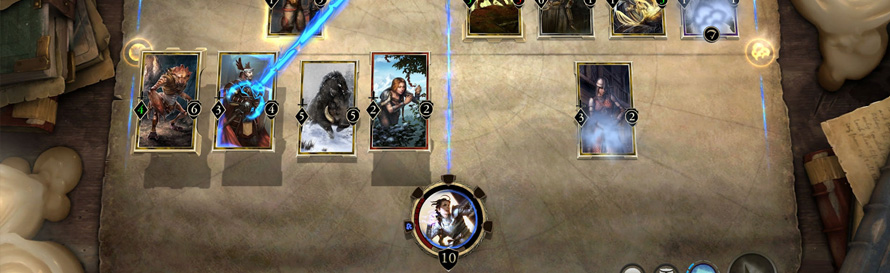
The Elder Scrolls: Legends Masters Series Qualifiers
On Thursday, August 9th the sixteen best The Elder Scrolls: Legends players will go head-to-head in a series of matches, all aiming for a shot at the $50,000 grand prize. The qualifiers will end on Friday the 10th, and you can tune in here.
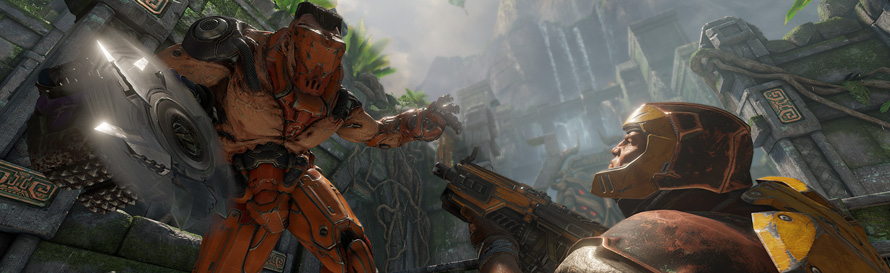
Quake Champions Tournament
The doubles tournament will start on Friday the 10th, with teams fighting it out for a piece of the $175,000 prize pool. In addition, the top eight teams will have the opportunity to fight one-on-one over an additional $25,000 prize. You can tune in over here.
Keynote
Also on Friday the 10th there will be a keynote presentation showing off some of what’s coming up in Bethesda-land. Quake Champions, RAGE 2, and The Elder Scrolls Online will all be covered with details of updates and new footage. The big one though is the reveal of DOOM Eternal gameplay as we get to see the followup to 2016’s DOOM for the first time. You can view along at home right here.
Additionally, if you’ve linked your Twitch, The Elder Scrolls Online, and Bethesda accounts (which you can do here) and watch the Keynote live, you’ll win some extra goodies for Bethesda games like The Elder Scrolls Online, The Elder Scrolls Legends, and Quake Champions. Here’s what you’ll get:
The Elder Scrolls Online (PC/Mac Only)
Flame Atronach Wolf Pet
Five Ouroboros Crown Crates
Quake Champions
Quakecon 2018 “Embers” Nameplate & Icon
Two Reliquaries
1000 Shards
Three Day XP Boost
The Elder Scrolls: Legends
One Legendary Card
Legends Event Ticket
One Skyrim Card Pack
One Core Card Pack
Fallout 76 Update
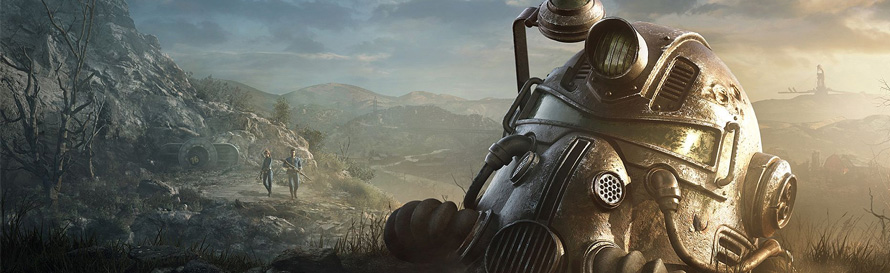
On Saturday the 11th of August we’ll get some more details about Fallout 76, with particular attention shown to the character system and how perks will work in the multiplayer post-apocalyptic game. There’ll also be a fan Q&A, so who knows what we’ll learn. This can be watched on the Bethesda Twitch account, right here.
Exhibit Hall
In addition to the events listed above, throughout QuakeCon 2018 the Exhibit Hall will be open throughout Friday the 10th and Saturday the 11th of August. Attendees will be able to get hands-on time with RAGE 2, The Elder Scrolls: Blades, Quake Champions, Wolfenstein: Cyberpilot, and much more.
Here’s some of the events that you’ll be able to get up to if you’re attending QuakeCon 2018 in person and are heading down to the Exhibit Hall:
Hotseat: Attendees will be able to play games with randomly selected objectives for prizes, and also fun.
Best Sign in the BYOC: A contest for the best clan sign.
Quake Blind: Play Quake with a blindfold on in this doubles free-for-all competition. One person plays the role of the players’ eyes, the other plays the game – but blindfolded.
Dirty Keyboard Contest: It’s time to look at the absolute filth that some people use for keyboards. Dive deep into the most disgusting keyboards out there, as QuakeCon celebrities look and judge at some of the dirtiest keyboards known to humanity.
Pick Your Pony: Have a little flutter by visiting the Pick Your Pony station near the Esports main stage. Choose your ‘horse’ and if your horse comes in you’ll be going home with a little prize.
BAWLS Chugging: BAWLS Chugging Champion KenCo12 will be looking to reclaim their belt from two-time and current champion Dirty Taco in this chugging competition, but it’s all to play for in this years’ BAWLS Chugging event.
That’s what’s happening this year at QuakeCon 2018, so get watching.
Monster Hunter World is coming to PC this week and we’re very much here to celebrate. It did amazing when released on consoles earlier in the year, garnering awards and critical praise from almost everywhere. It’s shaping up to be one of the biggest PC launches of the year and we’re excited to get our computer-y hands on it.
But what about once you’ve put several hundred hours into the hunting, skinning, and eating of Monster Hunter World’s fabulous creatures? What then?
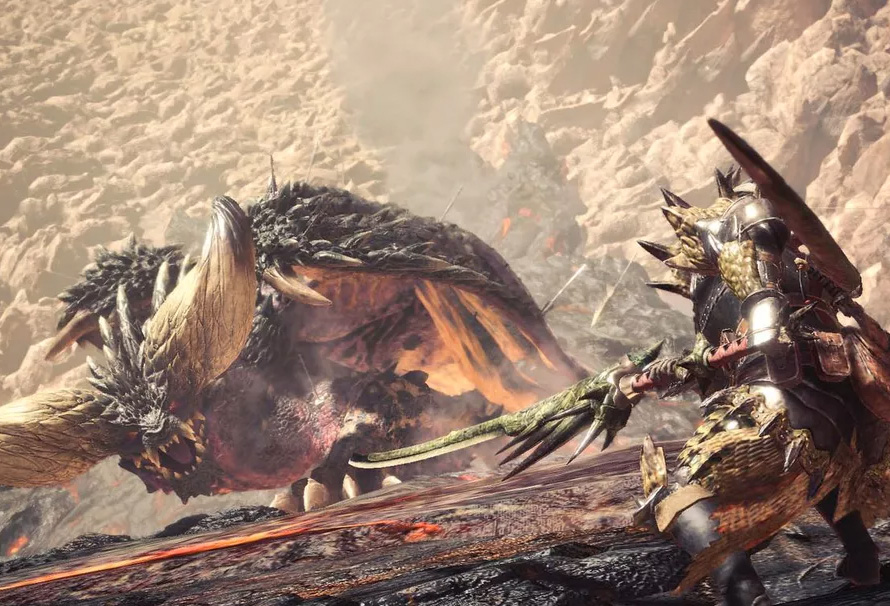
Well we’re hoping for some Monster Hunter world DLC, and ideally we’d love to see some famous monsters poke their snouts into Monster Hunter’s world for a bit of the ol’ hunt, stalk, and kill. So here’s seven monsters we want to see in Monster Hunter World DLC.
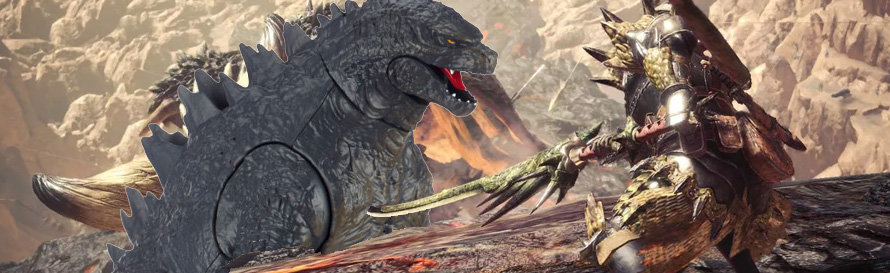
Godzilla
Godzilla is probably the most famous monster on the planet, and for good reason. A fixture of film since 1954 we’ve seen Godzilla take on multiple forms and multiple foes. The King of the Monsters really needs to be taken down a peg or two and who better to do that than you, in Monster Hunter World? Admittedly Godzilla would be fairly easy to track, you don’t hide giant reptiles that easily, but once you found it the fight would be like Shadow of the Colossus meets a weekend in Florida. And that sounds pretty amazing.
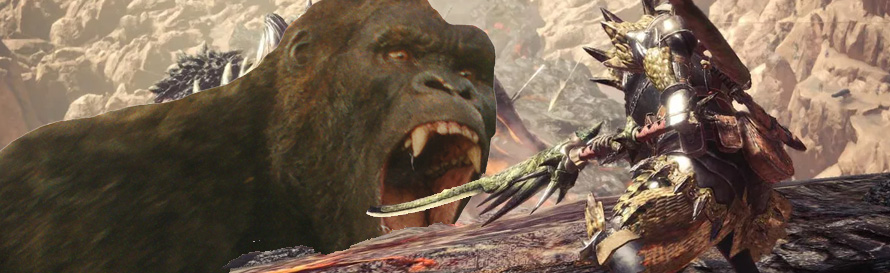
King Kong
King Kong is of course, the second most famous monster on the planet. Standing somewhere between ‘very tall for an ape’ and ‘holy shit’, King Kong is here to be misunderstood and then smash things up. The only issue with including King Kong in Monster Hunter World would be you might get lost in that fur and have a nap in the warmth. King Kong is a tragic figure too, so trying to face it with axe in hand might be a little monstrous in itself.
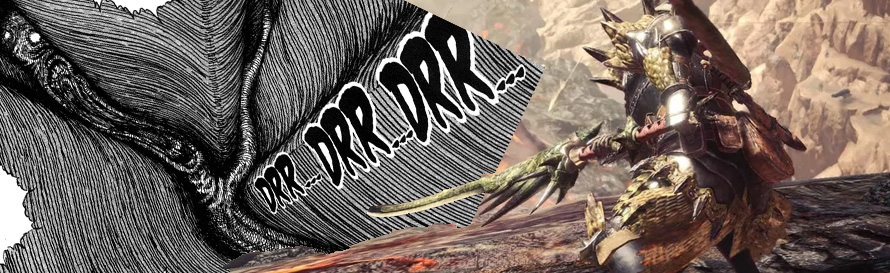
The Horrible Things From The Enigma of Amigara Fault
Are they monsters? Well, maybe not, but they’re certainly not human anymore. These terrifying crevice dwelling creatures are ready to emerge and make horrifying noises all up in your business, so why not put them down with blade and hammer? It’s not known how fast they move so they may be an easy prey for any Monster Hunter out there, but frankly who cares, just stop them. Please. I need to sleep.
Frankenstein’s Monster
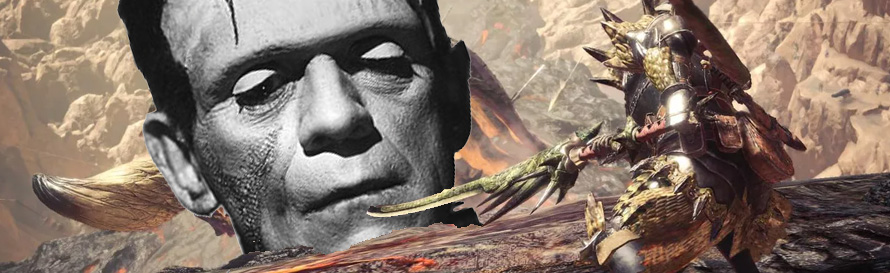
The only monster on this list with the word ‘monster’ in its name, Frankenstein’s Monster is as tough as they come and as hard as…bolts. An eternal stumbling machine, Frankenstein’s Monster is another misunderstood mirror to humanity. Treat this monster poorly at your peril, as once you’ve pissed them off they’re coming for you, and those grabby hands and shambling walk cannot be stopped. Apart from maybe by a Monster Hunter? We can only hope.
A Big Dragon
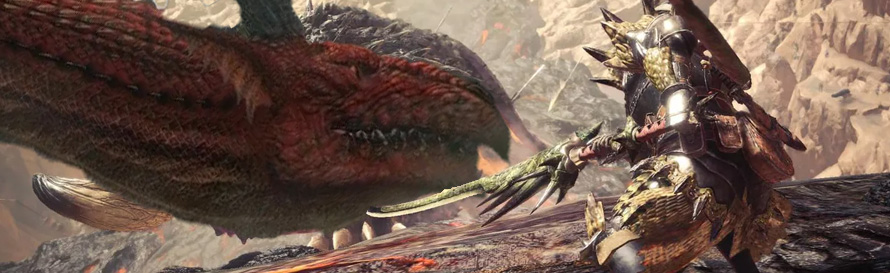
Who doesn’t love dragons? Next.
Nessie
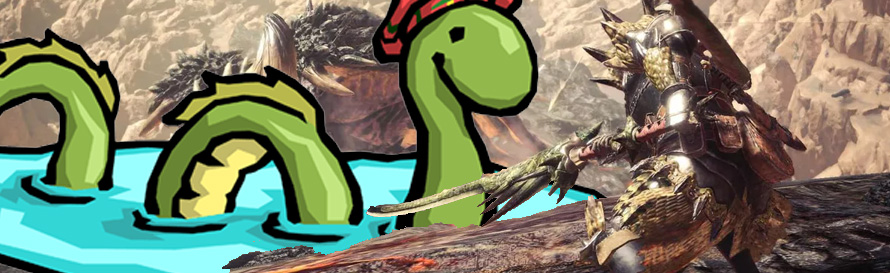
We haven’t seen much of Nessie, the Loch Ness Monster in recent years. After the Family Ness aired on UK TV we seemed to lose interest as a culture in tales of the giant underwater creature which roams the deep loch. Let’s reverse that trend, and have a special underwater encounter in Monster Hunter World where you finally find out whether or not Nessie is real. Then kill it, in the name of having a better hat.
Lisa (P.T.)
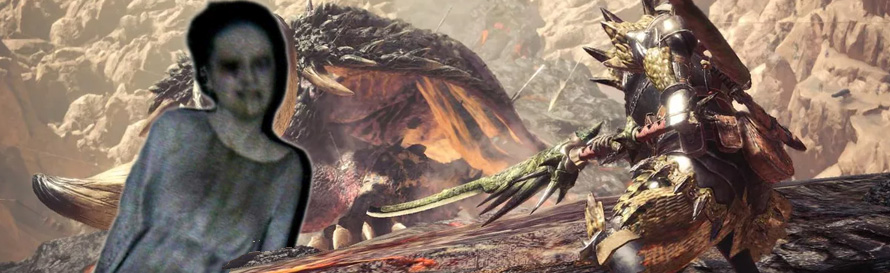
There’s nothing scarier than a ghost, and in particular there’s nothing scarier than thisghost. Hunting you through endless repeating hallways in the Playable Teaser for the now-cancelled Silent Hills, it’s a shame that her terror is confined to that one small slice of game. Let’s get her out of that house and into the world, Monster Hunter World! OK maybe hunting a ghost might be a little tough, and those of nervous disposition may want to give her a wide berth, but imagine having your own ghost set of armour. Totally worth it.
Monster Hunter World is launching onto PC on the 9th of August, and is available for purchase here.
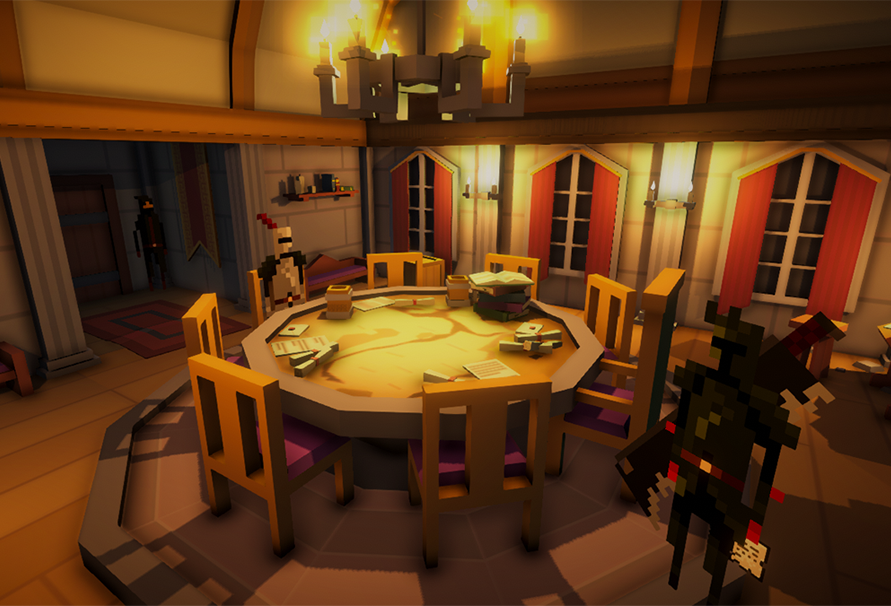
Mirta000 is back with her quick-fire reviews for indie games you’ve probably missed! This week it’s a game that simulates being a shopkeeper in medieval times, it’s Medieval Shopkeeper Simulator!
As always if you liked the video or want more speedy reviews, head on over to Mirta000’s page!
The immersive sim genre is one of the PC’s mainstays, going back to games like Ultima Underworld and System Shock right up to the present day with Bethesda’s recent Prey. It’s a genre that has always showed off the freedom and creativity of PC gaming, but it’s a genre that seems to be in crisis.
Recently we’ve seen immersive sims be released which have done everything right, they’ve fulfilled everything about what it means to be an immersive sim. An immersive sim is a playground, it gives you objectives and then lets you decide how you succeed at that objective. Giving you tools to make interesting decisions in a space and letting you experience the success, and failure, that comes from your actions.
The problem is that some of these recent games haven’t set the world alight like previous immersive sims, so maybe it’s time to try something new in the genre.
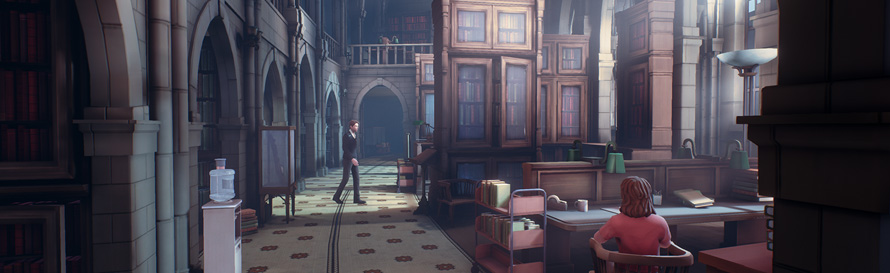
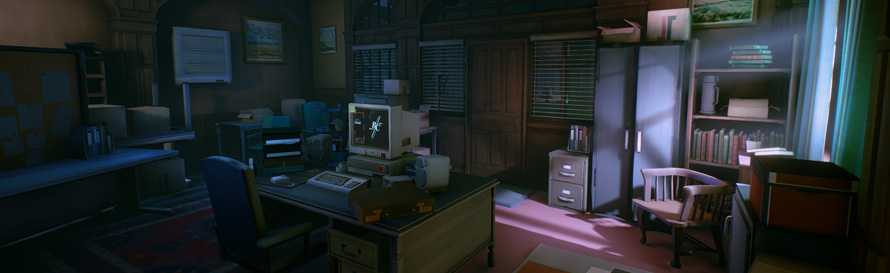
Enter The Occupation.
What’s The Occupation About?
It’s 1987 and you’re in Manchester in the UK. A recent explosion has caused the UK government to become paranoid about safety begin work on the new Union Act, an act that when brought into force will make it impossible for foreign citizens to move to, or live in, the UK.
You’re an investigative reporter who is determined to get to the bottom of what’s motivating the act, and find out the truth of the motivations, ideas, and events that surround its creation. In order to be successful you have to infiltrate a government building and read, question, and uncover the absolute truth behind the Union Act.
Why is it Looking so Special?
The setting itself is incredibly evocative and apposite for our time. It may be set in the 80s and in Manchester, but the themes are obviously something that’s incredibly relevant to today’s global and political scene.
It’s how the game takes immersive sim to a whole new level which makes it the exciting prospect that it is. With a strict time limit, you’ll be replaying the game fairly often, but it’s a true reactive world. Everything you do, and the people you interact with, will change the world you’re traversing through.
Imagine a scenario where a guard goes for coffee at 10:34pm and leaves his post. By careful observation and remembering details like this, you might be able to exploit that information to your own gain. You might even use it to set up a chain of events that cause the guard to be distracted, or you might simply avoid the whole situation altogether.
So far so immersive sim, albeit with an intriguing time limitation. But it’s how the game says it’ll treat narrative that really makes us excited to get our hands on it.
Through the course of the game you’ll question people to discover their side of events that led up to the creation of the Union Act, and the events surrounding the bombing that set it all off. Unfortunately for you everyone you question is an unreliable narrator, meaning you can’t take everything they say at face value.
At a recent event organised by publisher Sold Out, we got a little hands-on time with the game and experienced a different side to the game. At EGX last year we saw some of the more traditional immersive sim elements, sneaking our way through a building to uncover evidence, but this later hands-on experience saw us seeing some of the events that precede the Union Acts’ creation.
We spoke to a character named Scarlett as she recounted her own attempt to leak information about the Union Act, as she sneaked through the government building she worked in to make backups of key data and get out with it. We also saw her walk home one fateful night, the night of the bombing, a night she lost a close loved one in the eruption that took so many lives.
The reason why The Occupation is so exciting is that it’s applying the immersive sim approach to the narrative as well, giving the player the tools to make decisions and then showing the consequences of those decisions.
Will you believe Scarlett, is she as good hearted as she seems? Will you take the stories that are interwoven with the game and make the right decisions for your character, or will you believe lies and let yourself be used by those who seek to do so?
The immersive sim genre is a genre which is one of the core pillars of PC gaming, and if The Occupation delivers on its promises we’re hopeful that this game will help take the genre to a new level, with a whole new level of complexity and decision making layered over traditional immersive sim elements.
The Occupation is coming to PC, Xbox One, and PS4 on the 9th of October, 2018.
It has been (lazily glances at a nearby calendar) nearly nine years since Left 4 Dead 2 hit PCs everywhere and showed how us all how you should do the whole cooperative, first-person shooting thing with flair and verve. Left 4 Dead 2 was simply superb and other than its immediate predecessor, there wasn’t anything else quite like it on the market.
Invariably, the distinct lack of Left 4 Deadness in the intervening years since would seem to be oversight – one routed in the fact that Valve appears to be more content to be a shop rather than a videogame developer these days. Nonetheless, Swedish developer Fatshark saw an opening and answered the call with the Warhammer: Vermintide games, a series which not only encompassed the core of the Left 4 Dead experience, but meaningfully built upon its foundations too.
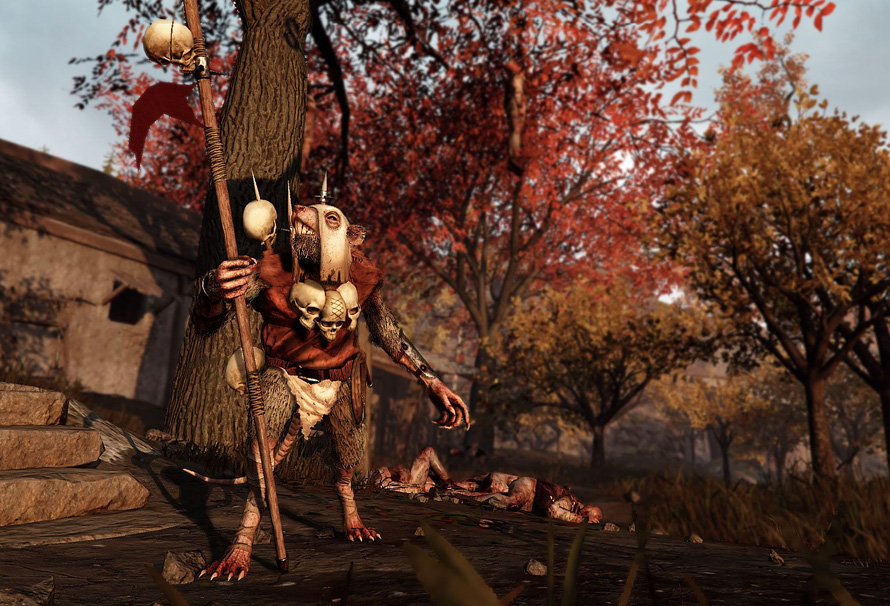
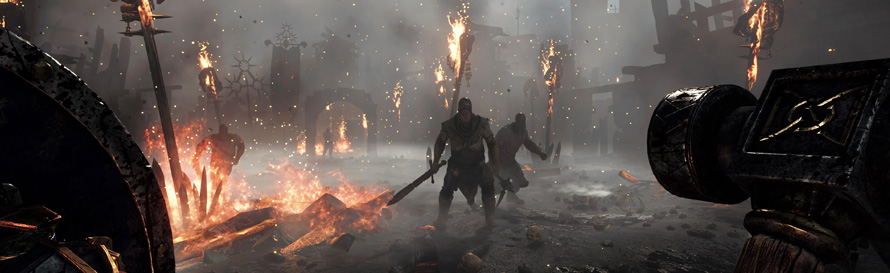
Taking place in Games Workshop’s Warhammer fantasy setting and swapping out Left 4 Dead’s cast of shambling dead folk for some really, really big rats, the Vermintide games keep everything that we loved about Turtle Rock Studios survival shooter pretty well intact.
For starters, you have the endlessly satisfying, four-player co-operative class-based action that fans of Left 4 Dead will immediately recognise, the pressure cooker nature of the combat whereupon you can be rushed in all directions by your enemies, and also those neat indicators on the UI whereupon players that require help or healing are highlighted. So far, so Left 4 Dead then.
In Warhammer: Vermintide 2 though, Fatshark has introduced its own wrinkles to this well established formula. Take the manner in which enemies attack for example – rather than just having a crowd of foes that merely sprint toward you, the humanoid Skaven rats in Warhammer: Vermintide 2 can scale walls of any height and leap over obstacles with ease.
Certainly, there are few gaming moments that are as efficient as making your heart skip a beat as Vermintide 2 when you see Skaven pouring, literally pouring, out of every crevice and hole in the environment. It’s a spectacle that echoes that bit in Fellowship of the Ring where Gandalf and company find themselves surrounded by goblins in the Mines of Moria – a proper sight to behold and no mistake.
Warhammer: Vermintide 2 also goes the extra mile beyond the traditional formula that Left 4 Dead established too. Boasting an in-depth career path progression system, a massive range of different baddies to tangle with (the Chaos lads show up to join the ranks of their rodent mates in Warhammer: Vermintide 2), a properly constructed narrative, and more geometrically massive maps than you can shake a hairy stick at, Warhammer: Vermintide 2 is pretty much one of the finest multiplayer experiences you can have on PC right now.
It would appear then that Left 4 Dead has gone to the rats seemingly, and based on the evidence of Fatshark’s latest stellar offering in Warhammer Vermintide 2, I am more than happy with that outcome and you should be too.
With E3 2018 now firmly in our collective rear-view mirrors there was one announcement in particular that stood out – Sega’s venerable and previously PlayStation exclusive Yakuza franchise would be coming to PC in the near future and this, my friends, is very good news indeed.
Hardly seemingly like what you would expect from the man behind the Super Monkey Ball series of games, Toshihiro Nagoshi’s Yakuza franchise is a delicious cornucopia of action RPG trappings, eastern cultural excess and absurdist humour set against the neon-lit backdrop of Kamurocho, a district of inner city Tokyo.
Starting with the release of Yakuza 0 in August and then with Yakuza Kiwami, a remake of the very first PS2 era Yakuza title, to follow at some point later on, PC owners are at last getting the chance to jump in at the very beginning of Sega’s epic crime odyssey.
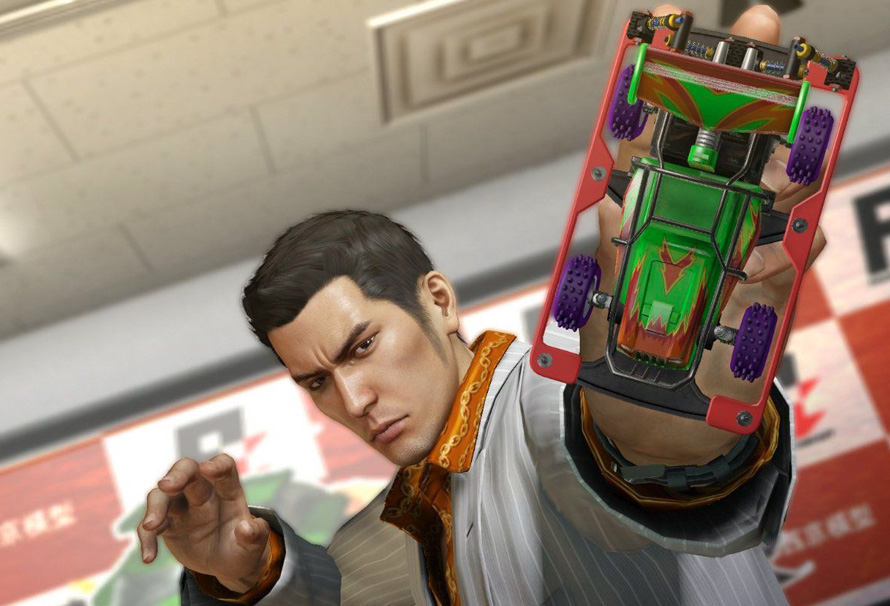
Yakuza 0 in particular represents the perfect starting point point for PC gamers to get stuck into the long-running series. Charting the beginnings of series protagonist Kazuma Kiryu and his erstwhile rival Goro Majima as young low-level thugs, Yakuza 0 chronicles their progress through the labyrinthine power structures of numerous Japanese crime families as personal bonds are tested and ambitious conspiracies threaten to boil over and set Kamurocho aflame.
More than just the assumed spectacle of super po-faced tattooed dudes stabbing and setting each other alight, the Yakuza games boast truly compelling narratives with deep characters to match, wonderfully satisfying real-time combat and some of the most bizzare side quests this side of Borderlands 2. I mean, where else but in Yakuza can you find a dominatrix who needs her confidence restored in the aptly titled ‘How to Train Your Dominatrix’ side quest?
Then there is then matter of how the Yakuza games handle combat. A heady and intoxicating mix of real-time fisticuffs with environmental interactions, players can direct Kazuma Kiryu and co to inflict devastating amounts of damage on their foolish foes, supplementing their already considerable martial arts acumen with face-breaking weapon strikes and wince-inducing environmental attacks (you’ll never sit quite right after watching a lad get dropped arse first on a bike rack). Rarely has melee combat felt as satisfying as this.
When you’re not putting fist to face, Yakuza 0 boasts an astoundingly wide range of minigames and side activities for folks to get into. From such pursuits as karaoke, darts and disco dancing, through to managing real estate, coordinating a cabaret club, fishing and playing arcade perfect renditions of Out Run and Space Harrier, there is no shortage of interesting things to do within the boundaries of Kamurocho’s urban sprawl.
Then of course, there is the not insignificant fact that with 4K support, an uncapped frame rate and compliance with ultra-wide, 21:9 displays, that the PC editions of the Yakuza games are the definitive versions of a series that has for the longest time called Sony’s PlayStation platform its exclusive home. Look, there’s no getting away from it – Kamurocho beckons.
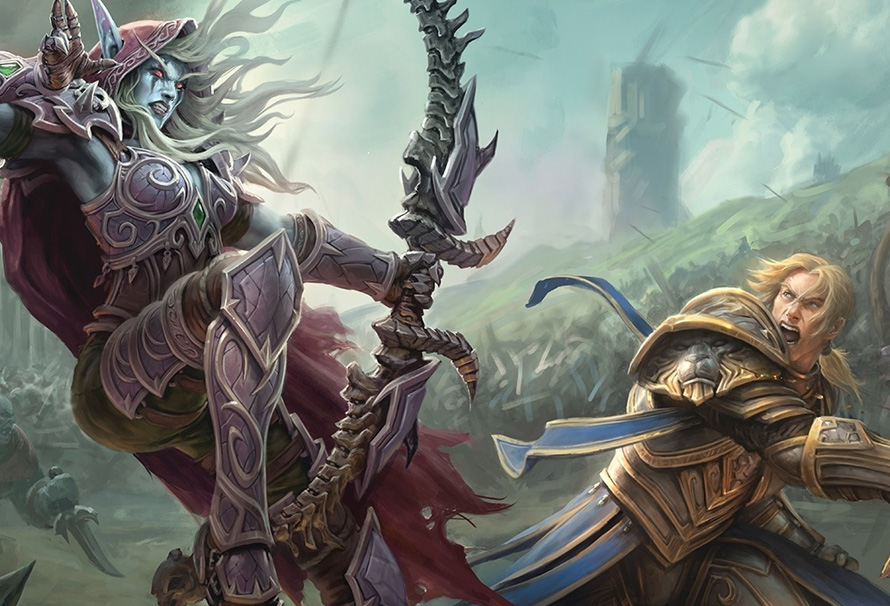
World of Warcraft: Battle for Azeroth is fast approaching, with the pre-patch dropping in the US tonight and in Europe tomorrow. Filled with more battles, fights, and adventures, it’s going to expand upon one of the most continually popular games in the world and build upon the huge success of the most recent expansion, Legion.
In anticipation of World of Warcraft: Battle for Azeroth’s release, we thought we’d look at the main playable races available to you in the game, and do what we do best; put them in order of goodness.
Maybe you’re looking to come back after a break, looking to level an alt, looking to dive in for the first time, or maybe you just want to argue about Warcraft races.
Note: We won’t be counting allied races in this list, just the main races you have access to as a player who owns all the expansions.
Goblins
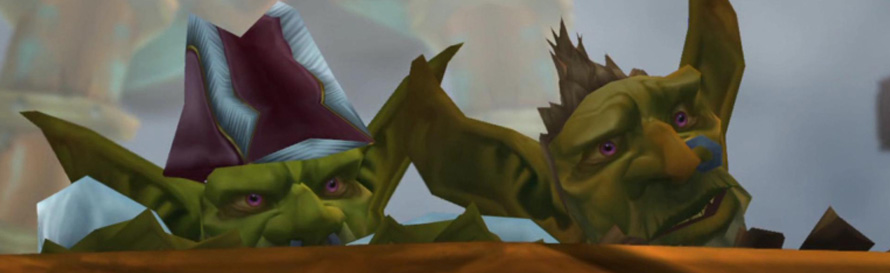
Would anyone be upset if Goblins were removed from World of Warcraft? Featuring not only the worst (and longest) opening zone in the game, Kezan, but also managing to be the thorn in the foot of the Horde ever since they joined up. Goblins are their own and everyone else’s worst enemy if only for their utter fixation on profit over all. Think Ferengi but in a fantasy setting and you’re halfway there, but even the Ferengi managed to grow and learn a bit, Goblins haven’t learned a damn thing so far.
Trolls
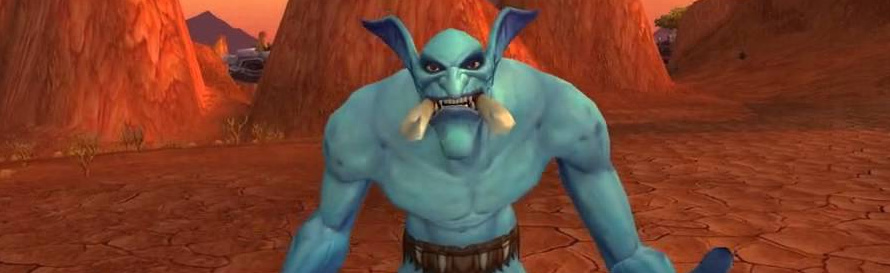
Trolls are ranked low here simply because they’re pretty inconsistent in how they’ve been represented, also they don’t get to wear shoes. Sometimes turning up to threaten to eat babies, sometimes being noble savages, sometimes telling you to stay away from the Voodoo, sometimes telling you to come get the Voodoo. It’s a bit of a mess really, but one that’ll hopefully be cleared up as we check out some Zandalari Trolls in the next expansion.
Night Elves
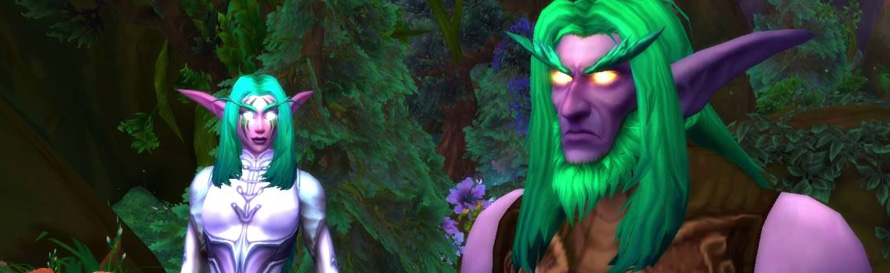
Dividing their time between looking at trees and telling people off for using magic, the Night Elves are the second oldest race on the planet of Azeroth and they’ve filled the role of protector for the planet during this time. Obsessed with locking up poor old Illidan and with thinking that Malfurion is a good druid despite forever being kidnapped by the Emerald Nightmare, these purpley-blue Elves need to up their game in future expansions.
Pandaren
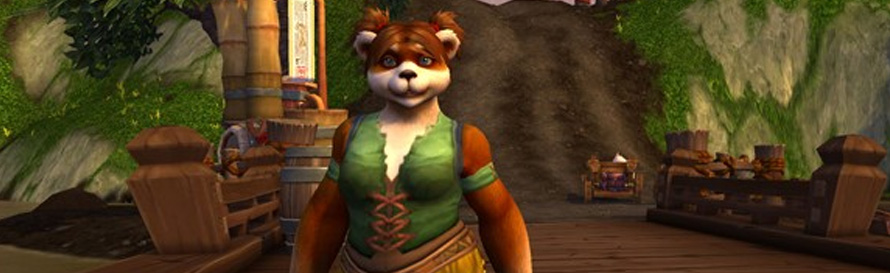
The roundest race on Azeroth, they’re unique in that they can join either the Horde or the Alliance. Bouncy and fun, they basically had peace for centuries until we all turned up on their shores and caused them a heck load of trouble. They’re only so far down this list because their impact so far has been pretty low, outside of Pandaria.
Gnomes
So far one of the few races not to appear in a World of Warcraft opening cinematic, the Gnomes are the forgotten children of Azeroth. Masters of technology and squeaky voices, they’re basically little humans. Well, little humans with strangely coloured hair and a penchant for goggles that is. They’re fairly far down this list because they’re fine, not bad, not good, just fine. They’re alright.
Humans
Again right in the middle of the list we’ve got humans, because they’re humans. We’re humans, they’re humans, you know what humans are like. They have humanity, and they’re human. There’s not much to say for or against this middle-tier fantasy race, simply because they’re just us but in funny hats and shooting magic.
Blood Elves
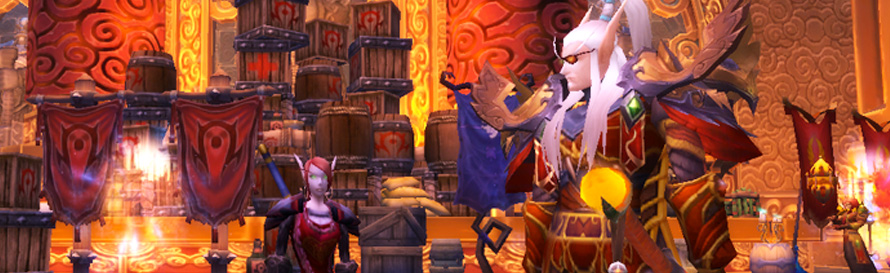
Blood Elves, when they were announced, looked to be a way of getting people in to play the ‘ugly’ Horde by throwing them a pretty elf bone. Since then their story has been compelling, interesting, and filled with redemption and Lor’themar. Highlights being taking down their own leader in Tempest Keep and freeing the Naaru that powered their dark paladins.
Worgen
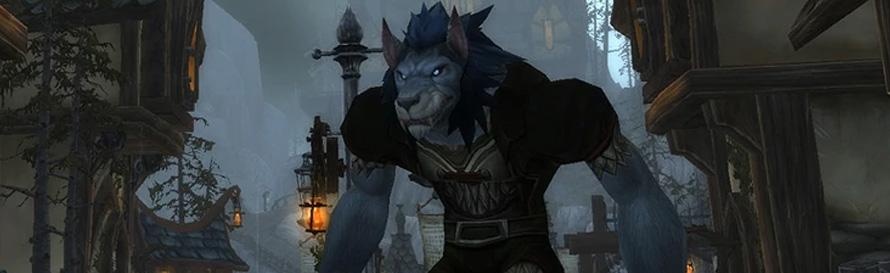
One half human, one half wolf, one half Victorian gentry. That’s the Worgen, one of the coolest races in the game, and one who has one of the coolest (if underused) home cities. If there’s one thing that the Worgen have it’s style, and buckets of it. Looking like dogs that got loose on a Hammer Horror set, they’re swish and they’re fierce and they’re cool.
Tauren
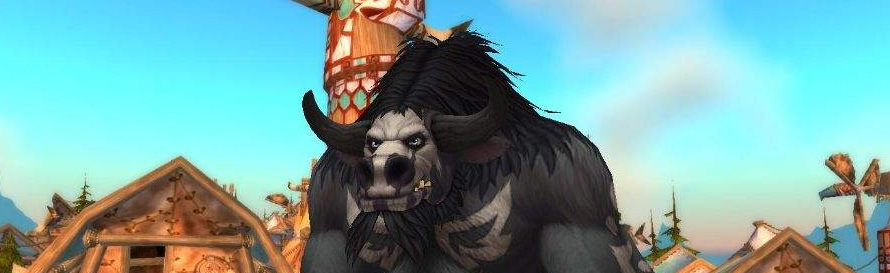
Another shoe-less race, but this time they’re giant cow-people who like to smack other people with whole trees. That alone means they can never be marked down too far in this list. They’re also home to some of the best characters in the game, especially good old and sadly departed Cairne Bloodhoof, RIP.
Draenei
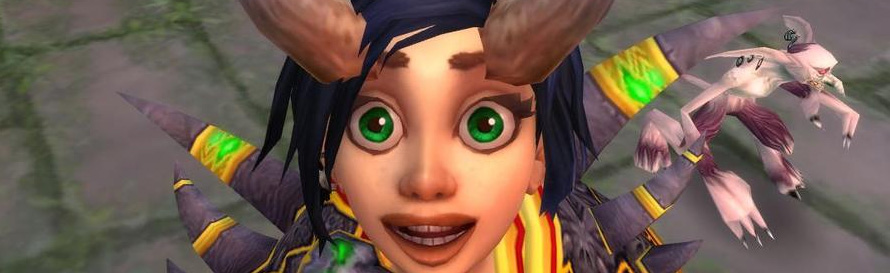
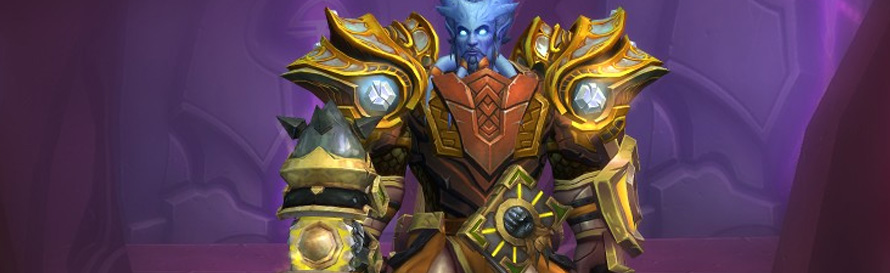
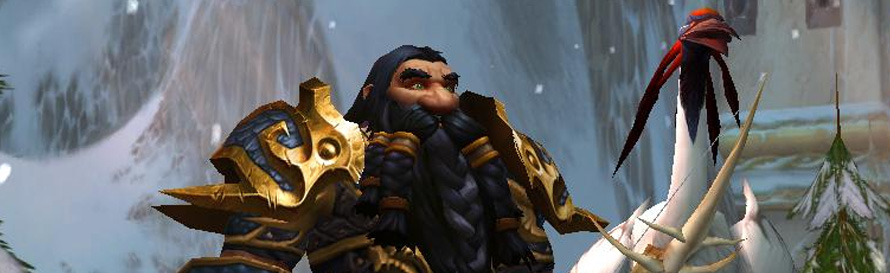
The space goats are a race of intergalactic light worshippers who’ve cruelly been bounced around from tragedy to tragedy. We met them back in Warcraft 3, but they were later retconned to only be a sub-race of the Draenei and we met their full goaty forms in The Burning Crusade expansion for World of Warcraft. They’re big hammer wielding folk and they only got better with the Warlords of Draenor expansion. Absolute units.
Orcs
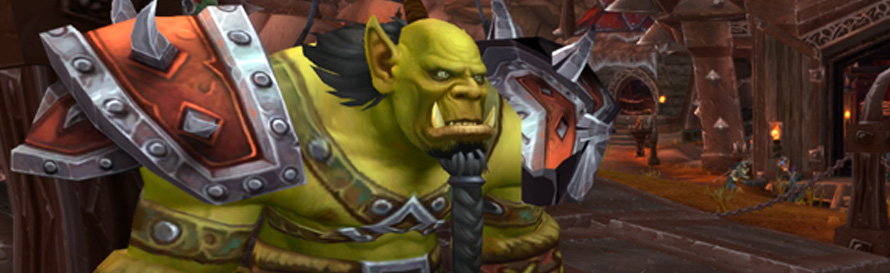
The poster children for Blizzard and the Warcraft franchise, they’re not your normal orcs. These are noble orcs who have been cruelly used by various masters to evil effect, and only now are living free and working towards their own destiny. Still savage but with a spirit above that of their traditional representation, these orcs make up the backbone of the Horde and without them there may have never been salvation for the Horde races.
Dwarves
Honestly they’re Dwarves, like you see in many other fantasy worlds, but Dwarves are brilliant. Ironforge, their home city, is also one of the best looking places in Azeroth even now, many years after its inclusion in the original World of Warcraft. Anywhere you go on Azeroth you’ll find Dwarves, fighting for all that’s good and right in the world, or just having a lovely drink. They’re almost the best, and would be if there weren’t…
The Forsaken
The Forsaken are less a race than a collection of free folk. After the Scourge brought undead terror to the planet, Sylvanas Windrunner, a former undead thrall to the Lich King freed herself and many of her undead kin and lead them to Lordaeron to live out their days. They’re a cursed race, a race that cannot reproduce, a race destined to die out unless something happens. Their tragic back – and current – story is why they’re the best and most compelling race in the game, and also are behind much of the events that’ll be happening in the upcoming expansion. The Forsaken are the best. Death to the living!
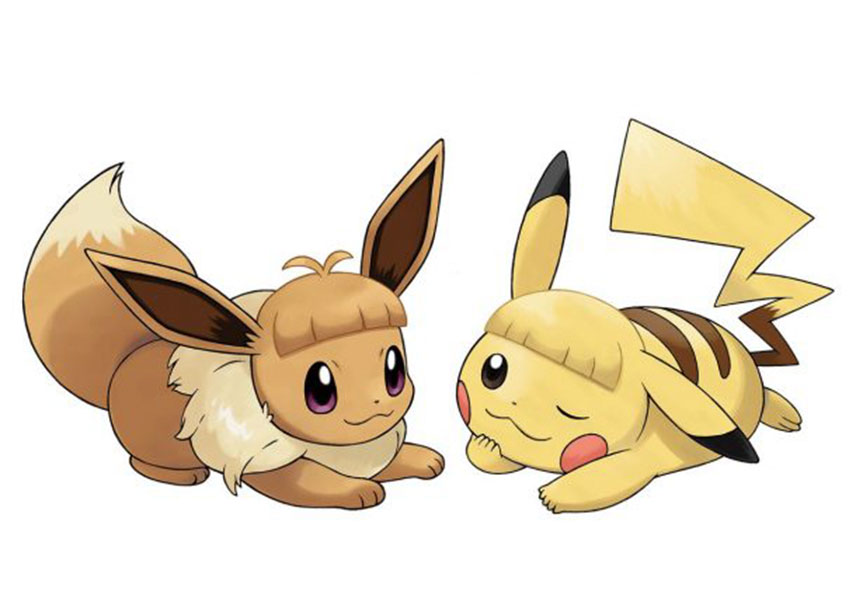
With the November release date of Pokemon: Let’s Go, Pikachu & Let’s Go, Eevee! fast approaching, the official Pokemon youtube channel has dropped a trailer giving fans a better look at the opening section of the game.
This week you had the chance to win a copy of Slay The Spire. Let’s see what the correct order was and who won a key!
1st: Slay The Spire
2nd: Prey – Mooncrash
3rd: Kingdom Come: Deliverance – From The Ashes
For the 2 Slay the Spire keys, we’ve had 6 correct answers! So one third of the correct guessers will get a key, and they are…Dave24 and BossDawgCapone! They should email me (oliver.paul@greenmangaming.com) for their game key for Slay the Spire!
For those who didn’t guess right, come back on Monday for another shot!
Counter-Strike: Global Offensive players in Belgium and the Netherlands are no longer able to open loot boxes in the game, following its latest update.
Developer Obsidian Entertainment has announced that the first paid-for downloadable content for Pillars of Eternity II: Deadfire, entitled Beast of Winter, will be released on 2 August 2018.
Daedalic Entertainment has announced that State of Mind will be released on 15 August for PlayStation 4, Xbox One, Switch and Steam for both PC and Mac.
Nintendo has revealed it will be re-releasing many old favourite Super Smash Bros amiibos, and adding some new ones to support Super Smash Bros Ultimate.
If you’ve even a passing interest in videogames you’ll have probably heard the term ‘roguelike’ bandied about a lot recently. What was something that was mainly kept to the sidelines has been incorporated into mainstream gaming, and you’ll often see a big game from a huge publisher be toted as having ‘roguelike elements’.
But what does that mean? What’s Rogue, and why are they like it?
To answer that, we need to go back in time to the distant age of 1980.
Rogue (1980)
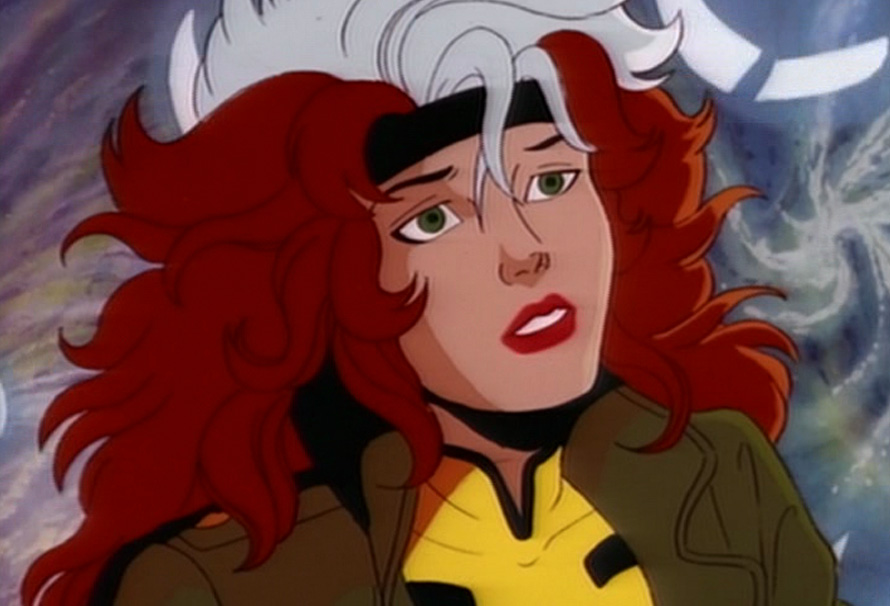
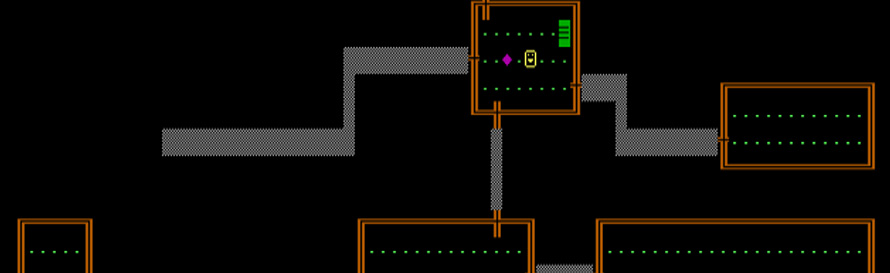
Rogue
Or to give it the full title, Rogue: Exploring the Dungeons of Doom, Rogue puts you in the role of an intrepid adventurer, tasked with descending to the bottom of a dungeon to retrieve the Amulet of Yendor from its gloomy depths. By defeating monsters and gathering loot you improve your characters’ survival abilities against the hordes of stronger monsters that lurk deep within the dungeon.
The main hook for the game was that each time you enter the dungeon it’s layout, monsters, and loot are all procedurally generated. This means that every time you started the game you’d face a new challenge, one you hadn’t seen before. The game also incorporated permadeath; each time you die your character is gone forever and you must start over afresh with an entirely new dungeon layout. Everything in Rogue was handled via ASCII, there are no ‘graphics’ as we’d come to know them, instead everything in the game from walls to potions to monsters are represented by characters.
Inspired by text adventures in the 70s but with the aim of providing a Dungeons & Dragons-a-like experience that was fresh each time you started it, this game became hugely popular in colleges at the time. Many budding developers wanted to create their own expansions for the game, as homebrew developers often did at the time, but the source code was never released. As such developers went on to create their own versions, fixing or tweaking issues that they saw with the original Rogue. This led us to the first generation of roguelikes, such as Hack and Moria.
Hack (1982) and NetHack (1987)
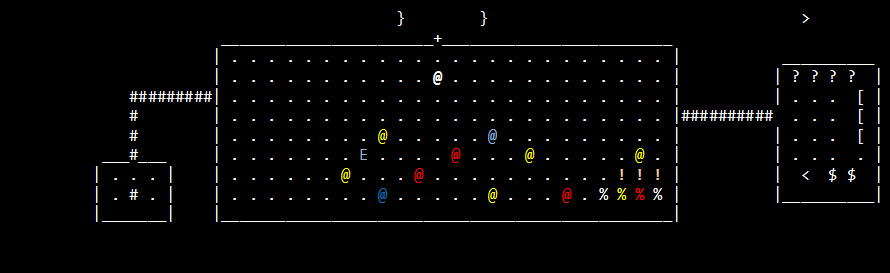
NetHack
Even though games in the genre are called ‘roguelikes’, it’s Hack and its successor NetHack which form the backbone of roguelikes and have been the genres’ most enduring names.
Hack was released in 1982 and was very similar to Rogue, but introduced expanded gameplay elements such as shops and more monsters, items, and spells.
NetHack was later released in 1987 and expands on Hack to a huge degree. Not only does it offer new gameplay elements, items, monsters, and spells, but it also included a sense of humour that runs throughout the entire game. Much as in Rogue you’re back looking for the Amulet of Yendor, but now you have classes to choose from and a lot more to do in the dungeon as you descend through its levels.
NetHack has been a staple of the roguelike genre since its release, and updates and mods for it are still being released today. It’s this that has helped keep Rogue and its legacy in the background of gaming, even as other genres have waxed and waned throughout the years.
So What is a Roguelike?
Rogue One-Like?
A roguelike means simply that it shares some of the fundamental features of the original Rogue. Permadeath, procedural generation, and being turnbased are often the core tenets of what makes up a roguelike.
For the longest time those guidelines were quite rigidly held to, but in recent years especially in the Indie community we’ve seen that these have been softened somewhat. We now have games that fall under the banner ‘roguelike’ (or perhaps, roguelite or even roguelike-like), which take that game-DNA from Rogue and remix it. For example a game may have procedurally generated dungeons and permadeath, but you may carry over some progression terms of upgrades. Generally though the one thing that carries over in a roguelike is not defined by the game itself, it’s defined by you learning how to play the game and explore its systems.
The hardcore roguelike community, however, uses a definition which determines if the game you have in front of you is a roguelike or not, known as the Berlin Interpretation. This uses a series of High and Low value factors which can help you determine whether or not a game is a roguelike, a roguelike-like, a roguelite, or just a game with roguelike elements.
Let’s look at some games from recent years that might be described as having roguelike elements, and you’ll see that even though there’s a thread that runs through them all, the end result can be hugely different.
Darkest Dungeon – Permadeath for Characters, Procedurally Generated Dungeons, Turn-based
As you can see, a lot of them focus on the twin pillars of permadeath and procedural generation, even though these ideas are then expressed in myriad different ways.
So what does all this mean? It means that there’s some elements that can be described as being roguelike, and how these are implemented can determine whether or not a game is a roguelike or not. That said, in recent years the definition has definitely stretched and loosened, so what once was a narrow definition that harked back to the original Rogue in one way or another, it feels that more games are blurring that line between roguelike and ‘containing roguelike elements’.
Hopefully this gives you some idea of what is meant when a game is described as being roguelike or having those elements, and the next time someone starts an argument about roguelikes you can get in there and give a good accounting of yourself.
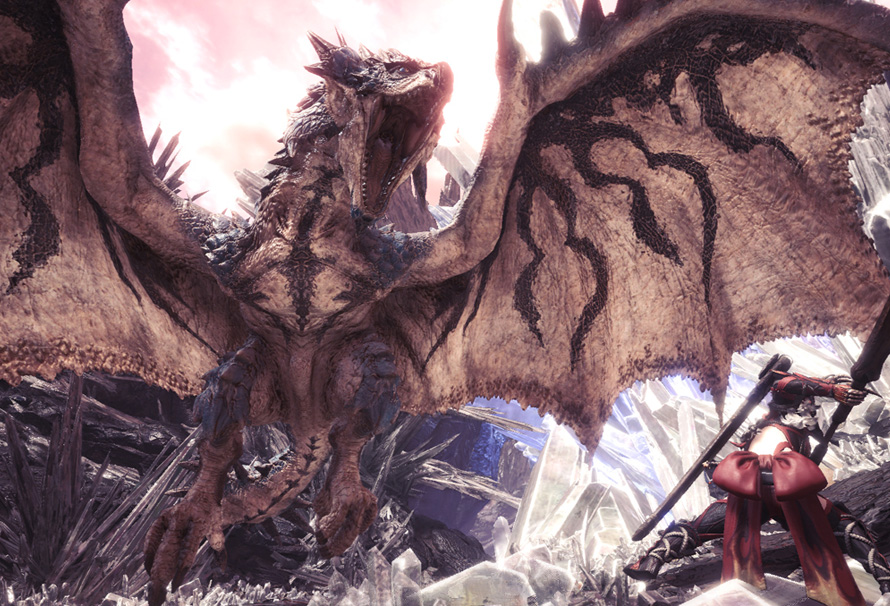
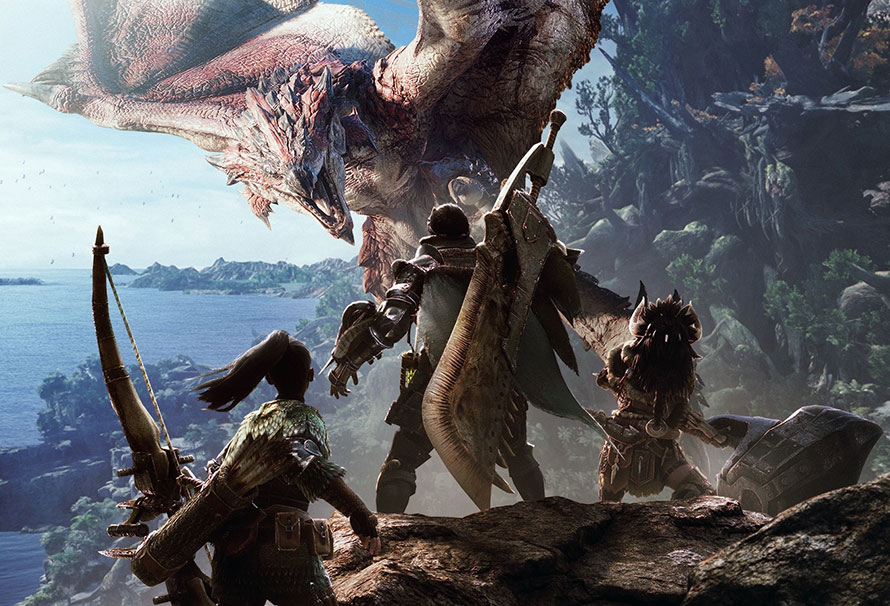
Monster Hunter World is almost upon us. It represents the long-running and celebrated series’ debut on PC, and the critical acclaim it was met with earlier in 2018 sets it in fine stead for taking the platform by storm with its first attempt.
But what a mysterious beast it is. A hybrid of genres carrying a distinct art style, it begs many questions from PC gamers who’ve never sampled its wares before. And thanks to Google, those questions can be retrieved and displayed for all to see. Questions like…
Will Monster Hunter World be on PC?
Yes. Yes it will. Rejoice! The PC version releases on August 9th, wish additional polish from the developers.
Should I wait for a PC release?
Well, you waited this long! The PC release date is earlier than expected, as Capcom initially pencilled this one in for a an autumn 2018 release. But now the wait’s been shortened dramatically, making this one a no-brainer.
When is the Monster Hunter World PC release date?
August 9th, friend. There’ll be additional DLC content from the console version which will release for free on PC at a later date, too.
Why is Monster Hunter World delayed on PC?
Good question. The most likely answer is that the game’s running on an all-new engine, and the series has never appeared on PC before – a recipe for a poor PC port in days gone by. Capcom has taken the extra time to make sure the engine, controls, and UI all play perfectly on PC. What’s more, PCs are much more scalable than consoles, and making the game look great on such a wide gamut of machines takes time.
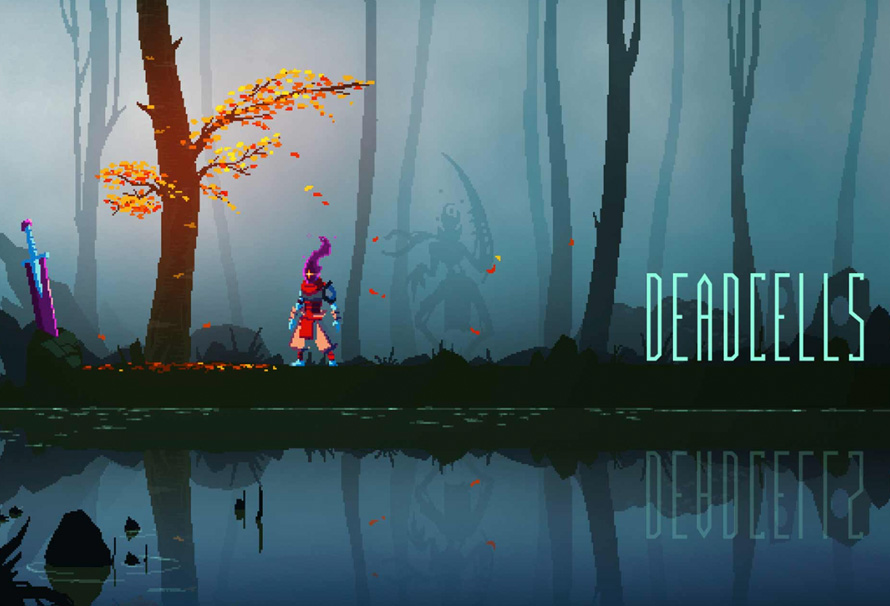
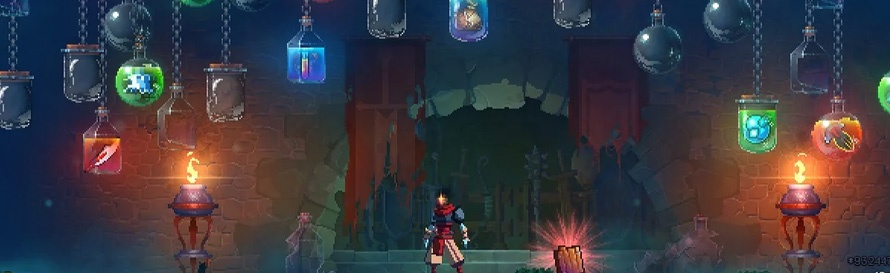
So you’ve seen Dead Cells selling well here and there but you just aren’t sure what it is, and without that knowledge how can you be sure if it’s for you? Well wonder no more, because if you like any of the classic Metroid or Castlevania games then it is very much for you. If you love the feeling of overcoming new challenges, if you like unlocking a huge variety of weapons and skills, well then it is definitely for you.
Dead Cells is a roguelike Metroidvania; which is one hell of an oxymoron. After all, roguelikes rely on procedural generation to help give them an immense lifespan, and an ever changing landscape that helps to keep them challenging. On the other hand a Metroidvania is hand crafted to allow back tracking and exploration that makes a small space seem huge by having lots of hidden paths and an intricately connected world. The way the Dead Cells manages this is by having unlockable abilities that allow access to new routes and new secrets on your next run, it really is a mix of the two styles of games.
Naturally you can expect to die a lot during your time with this game, thankfully though you play a collection of cells that takes control of a body in order to make it through the path that you carve out from the enemies you face. Each path will have different challenges, different bosses, and different treasures for you to find. To unlock new weapons you need to find the blueprints for them, some of which will drop from enemies, some of which are hidden away waiting for you to discover them. Once you’ve collected these you can unlock the item they hold by investing cells you have collected from your opponents, eventually permanently gaining access to the items for future runs. It is an incredibly fulfilling loop that means you always know when your next unlock is coming, and the better you get, the faster that will be.
Your progression through isn’t as reliant on your arsenal as it is on your skill; there is no point in having a broadsword if you never hit anything with it. The most essential thing to learn is the dodge, much like other one much referenced franchise that rhymes with Shark Goals, dodging is the most important skill to master. Without well timed dodges you aren’t going to make it very far, but with them, with your own skill, you will conquer all of the challenges that are thrown at you, and damn is that fulfilling.
Each run sees you growing stronger by choosing either Survival, Brutality, or Tactics to upgrade. Each one of these has corresponding weapons that will become stronger because of your investment. Each one is defined by a different style of weapon, and a different style of gameplay as a result. A basic breakdown is that a sword is Brutality, a shield is Survival, and a bow is Tactics. You can build based on the weapons you have picked up, or you can base it on the ones you hope to pick up. This has each run feeling different from every other one, as you can end up stuck with weapons you’ve never used before, or you can be lucky enough to find the ones that fit you like a glove.
The reason that Dead Cells is doing so well is that, despite still being in Early Access, it feels like a complete product. Every time more content is added it doesn’t feel like it was something you were waiting for, it feels like something you didn’t even realise you wanted. The gameplay is already incredibly tight, movement already feels fantastically fluid, and the attacks already have a wonderful heft to them. You’re playing something that isn’t complete by the developer Motion Twin’s standards, not by the gamers.
The reason that now is the best time to pick this up on PC is simple, the game is due to be finished next month, and with that completion comes the console releases and the first full PC version. So why not get in on the ground floor and start unlocking that high level gear now?
Monster Hunter World is finally coming to PC after its release for PlayStation 4 and Xbox One back in January. We want you to be ready for it, so we’ve got the low down on its release, PC requirements, weapons and editions available here at Green Man Gaming.
[Update 28/10/2019] Monster Hunter World: Iceborne DLC PC release
With a succesful console release behind it, Monster Hunter: World’s Iceborne DLC has set its sights for a PC release on January 9th 2020.
As with the console version you will need to have a copy of the base game, and be Hunter Rank 16 to access the DLC content. All content will be the same as the console release. You can pick up the base game Monster Hunter: World on Green Man Gaming now and pre-order the Iceborne DLC as well. There are two versions available on the store for the DLC, the standard edition pre-order includes the Yukumo Layered Armor set with the Deluxe Edition also including the following:
With the announcement of the new Iceborne DLC, players will head to the Tundra, complete with Terrible ice beasts and new weapons. The DLC story trailer features plenty of monster infighting and beast migration – the story was never the most important part of World but it’s nice to see efforts to expand upon the lore. There’s also some gnarly mounted raptor-riding in the trailer and some platforming stunts for the adrenaline-chasers.
Monster Hunter World: Iceborne is currently looking at a September 6 release for PS4 and Xbox One, with PC coming later down the line.
Monster Hunter World PC Release Date
Monster Hunter World PC will be available on PC, August 9th after its console release earlier this year in January. It was confirmed by Capcom through their Monster Hunter World Steam Page and its the first game from its series to be released for PC!
Editions
Thus, Green Man Gaming, is offering two editions for the PC to Pre-Purchase before its release, please check below.
Origin Set
The Origin Set armor is a nostalgic must-have for series fans.
This full armor set (head, chest, arms, waist, and legs) comes with enough defense to carry you through the early quests, and also features plenty of skills useful for gathering.
Fair Wind Charm
The Fair Wind charm carries a skill that increases your attack power, and one that adds a chance of reducing the damage you take. The charm also has a nice visual impact, as equipping it will add a glowing aura effect to your left arm!
Origin Set
The Origin Set armor is a nostalgic must-have for series fans.
This full armor set (head, chest, arms, waist, and legs) comes with enough defense to carry you through the early quests, and also features plenty of skills useful for gathering.
Fair Wind Charm
The Fair Wind charm carries a skill that increases your attack power, and one that adds a chance of reducing the damage you take. The charm also has a nice visual impact, as equipping it will add a glowing aura effect to your left arm!
The digital deluxe edition also includes the following content:
Samurai Set
Gesture: Zen
Gesture: Ninja Star
Gesture: Sumo Slap
Sticker Set: MH All-Stars Set
Sticker Set: Sir Loin Set
Face Paint: Wyvern
Hairstyle: Topknot
Monster Hunter World PC Requirements
Here is both recommended and minimum PC specs required to run Monster Hunter world.
■ RECOMMENDED
OS:WINDOWS® 7, 8, 8.1, 10 (64-BIT Required)
Processor: Intel® Core™ i3 8350 4GHz or Intel® Core™ i7 3770 3.4GHz or AMD Ryzen™ 5 1500X
Target:Mouse, keyboard and game pads (both DirectInput and XInput) are supported.
30FPS at 1080p on LOW graphic settings.
Monster Hunter World Weapon Types
There are 14 weapon types in total, and if you’re new, then I’ll have you know that changing weapons maybe simple to begin with but I’d recommend you using the ‘training room’ to test all 14 out so that you can decide which is best suited to your fighting style. Later, however isn’t as simple, if you invest material etc into your weapons, some upgrades require some rare finds, so you don’t want to waste them!
Here are the 14 different types as voted by the community based off of what they used.
Tier SSS – Long Sword, Dual Blades, Light Bowgun.
Tier SS – Charge Blade, Great Sword, Switch Axe, Heavy Bowgun.
Tier S – Lance, Gunlance, Bow.
Tier A – Hammer, Insect Glaive, Sword & Shield.
Tier B – Hunting Horn.
Personally I use the Hammer, although heavy and slow moving, I hit very hard even at the beginning of the game, some might say its majorly OP, but given the movement of your character with the Hammer, the high damage is needed. You can still roll the same as everyone else, so I prefer doing that and then getting my little damage in and rolling back away, but beware you’ll be rolling an awful lot!
Sword & Shield
The sword and shield is balanced, mobile and great for beginners, it allows for the player to use items while their weapons are drawn.
Dual Blades
The dual blades can overwhelm monsters with a flurry of attacks. Demon mode allows the player to release high octane assault.
Great Sword
The long sword lacks in mobility, but can deliver devastating attacks, its charged attacks can deal heavy damage to any monster.
Long Sword
The long sword is a nimble weapon capable of extended combos. Its spirit blade has the ability to raise its wielders attack power.
Hammer
The hammer is a blunt weapon use to smash monsters with powerful blows. Using it to bludgeon monsters over the head can stun them.
Hunting Horn
The hunting horn is an easy to handle support weapon with long reach. It can provide status buffs to the whole party with its melodies.
Lance
The lance boasts strong offensive and defensive capabilities. It allows hunters to move around while keeping there guard up.
Gunlance
the gunlance offer high offensive power thanks to its ability to fire shells. Its slew of shelling attacks can keep monsters at bay.
Switchaxe
The switchaxe can transform from a long reaching axe and a swift sword. The swords element discharge can deal massive damage.
Chargeblade
The chargeblade can morph from a sword and shield combo into a high powered axe. Energy stored in the sword and shield can be released through the axe.
Insect Glaive
The insect glaive provides great mobility, enabling aerial attacks from all angles. Its Kinsect can harvest extract to provide various boosts.
Bow
The bow is a ranged weapon that can rain down an array of arrows upon the monsters. Hunters can inflict various ailments with arrow coatings.
Light Bowgun
The light bowgun is a long-range weapon that specializes in high mobility and rapid fire. unique ammo such as Wyvernblast is great for supporting allies.
Heavy Bowgun
The heavy bowgun is capable of inflicting massive damage with its high powered shots. Players of this weapon can use powerful ammo such as, Wyvernsnipe and Wyvernheart.
Well, I hope you PC gamers are ready, its a lot to take in and a lot of grinding will be needed to get your weapon into the best levels, as well as your armour but thats way too many to discuss on here. Like I say make sure to make use of your training room in your barracks with ALL weapons but if you can’t be bothered, take a look at this video that gives you the run down of each weapon and what kind of gamer they best suit.